


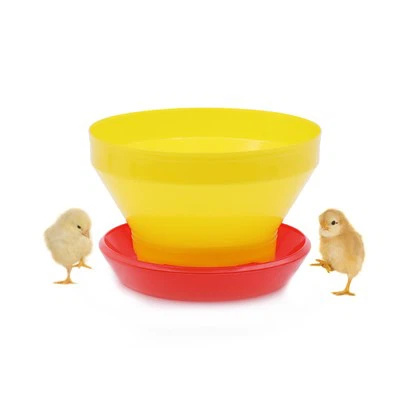

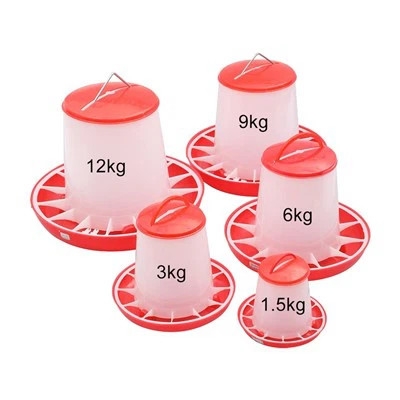


A plastic chicken feeder is a feeding device designed specifically for poultry, particularly chickens, to provide them with access to feed in a clean, efficient, and organized manner. It consists of a container or hopper made from durable plastic material, often with a lid or cover to protect the feed from contamination and pests. The feeder typically features multiple feeding ports or openings that allow chickens to access the feed while preventing spillage and waste. Plastic chicken feeders come in various sizes and designs to accommodate different flock sizes and feeding requirements, ranging from small backyard setups to large commercial poultry farms. They are lightweight, easy to clean, and resistant to corrosion, making them a practical and cost-effective solution for feeding chickens in various poultry production systems. Plastic chicken feeders play a crucial role in promoting efficient feed utilization, minimizing feed wastage, and supporting the health and productivity of poultry flocks.
Advantages of Plastic Chicken Feeder
Durability
Plastic chicken feeders are made from durable materials that withstand the rigors of daily use in poultry farming operations. They are resistant to corrosion, rust, and deterioration, ensuring long-term functionality and reliability.
Lightweight
Plastic feeders are lightweight compared to other materials like metal or wood, making them easy to handle, move, and install. This is particularly beneficial for farmers who need to transport or reposition feeders frequently.
Weather-resistant
Plastic feeders are resistant to weather conditions such as rain, humidity, and sunlight, making them suitable for both indoor and outdoor use. They do not deteriorate or warp when exposed to moisture or UV radiation, ensuring consistent performance in various environments.
Versatility
Plastic feeders come in a variety of sizes, shapes, and designs to accommodate different flock sizes, feeding regimes, and management practices. They can be customized with features such as adjustable feeding ports, covers, or dividers to suit specific needs and preferences.
Why Choose US
Professional team
Our professional team collaborate and communicate effectively with one another, and are committed to delivering high-quality results. They are capable of handling complex challenges and projects that require their specialized expertise and experience.
Innovation
We are dedicated to improving our systems continually, ensuring that the technology we offer is always cutting edge.
One stop solution
We can offer a range of services, from consultation and advice to product design and delivery. It is a convenience for the customers, as they can get all the help they need in one place.
24h online service
We try and respond to all concerns within 24 hours and our teams are always at your disposal in case of any emergencies.
How Does a Plastic Chicken Feeder Help in Poultry Feeding Management
A plastic chicken feeder plays a crucial role in poultry feeding management by providing a convenient, efficient, and controlled way to deliver feed to the birds. Here are several ways in which a plastic chicken feeder helps in poultry feeding management:
Plastic chicken feeders allow poultry farmers to control the portion size of feed distributed to the birds. By adjusting the size of the feeding ports or the rate of feed dispensing, farmers can ensure that chickens receive the appropriate amount of feed based on their age, size, and nutritional requirements. This helps prevent overfeeding or underfeeding, promoting optimal growth and performance in the flock.
Plastic chicken feeders are designed to minimize feed wastage by preventing spillage, contamination, and access by pests. Features such as covered lids, adjustable feeding ports, and anti-waste designs help keep the feed clean and contained, reducing losses and saving on feed costs.
Plastic feeders help protect the feed from environmental factors such as rain, moisture, and sunlight, as well as pests like rodents, birds, and insects. Covered lids, hanging designs, and treadle mechanisms help keep the feed dry, fresh, and free from contamination, ensuring its quality and safety for the birds.
Plastic feeders are designed to mimic natural feeding behavior, encouraging chickens to peck and scratch for feed. This helps stimulate their natural instincts and behaviors, promoting better feed intake, digestion, and overall well-being.
Plastic chicken feeders offer convenience and efficiency in feeding management, particularly for large flocks or busy poultry farmers. Automatic feeders dispense feed at set intervals, reducing the need for manual feeding multiple times a day. Hanging feeders and adjustable feeders are easy to install, move, and adjust, allowing farmers to adapt to changing feeding requirements quickly.

Plastic chicken feeders boast an array of features tailored to enhance efficiency, convenience, and hygiene in poultry feeding management. Crafted from durable plastic materials, these feeders are resilient to corrosion and impact, ensuring long-lasting functionality. Their smooth, non-porous surfaces facilitate easy cleaning and sanitization, reducing the risk of bacterial contamination and streamlining maintenance efforts. Adjustable feeding ports empower farmers to regulate feed flow, preventing overfeeding or underfeeding and optimizing nutritional intake for chickens of varying ages. Covered lids shield feed from environmental elements like rain and sunlight while deterring pests, such as rodents and birds, minimizing feed wastage and ensuring feed quality. Hanging designs keep feed elevated, promoting cleanliness and minimizing spillage. Some feeders also employ treadle mechanisms to restrict access solely to chickens, further safeguarding feed from pests. Capacity indicators allow farmers to monitor feed levels efficiently, preventing shortages. Anti-waste features, like angled feeding ports, mitigate spillage, maximizing feed efficiency. With multiple size and configuration options available, plastic chicken feeders cater to diverse flock sizes and management needs. plastic chicken feeders epitomize practicality, efficiency, and hygiene, fostering optimal feeding management and bolstering the health and productivity of poultry.
Materials Used in Plastic Chicken Feeder
Plastic chicken feeders are typically constructed using various types of durable plastic materials that offer resistance to corrosion, impact, and environmental elements. Some common materials used in the manufacture of plastic chicken feeders include:
Polypropylene (PP)
Polypropylene is a versatile thermoplastic polymer known for its high strength-to-weight ratio, chemical resistance, and durability. It is commonly used in the production of plastic chicken feeders due to its excellent mechanical properties and resistance to moisture and chemicals.
Polyethylene (PE)
Polyethylene is another widely used thermoplastic polymer valued for its toughness, flexibility, and resistance to chemicals and impact. It is often utilized in the manufacturing of plastic feeders, particularly for outdoor applications, due to its UV resistance and weatherability.
Acrylonitrile butadiene styrene (ABS)
ABS is a thermoplastic polymer prized for its strength, rigidity, and impact resistance. It is commonly used in the production of plastic feeders, particularly for components requiring higher structural integrity or resistance to wear and tear.
How Does a Plastic Chicken Feeder Differ from Other Types of Chicken Feeders
Material
The most apparent difference is the material used in their construction. Plastic chicken feeders are made from durable plastic materials like polypropylene, polyethylene, or polycarbonate, while metal feeders are typically constructed from steel or aluminum, and wooden feeders are made from wood.
Weight
Plastic feeders are generally lighter in weight compared to metal or wooden feeders, making them easier to handle, transport, and install. This lightweight design is particularly advantageous for portable or temporary setups.
Corrosion resistance
Plastic feeders are resistant to corrosion and rust, unlike metal feeders, which may degrade over time when exposed to moisture and environmental elements. This makes plastic feeders suitable for both indoor and outdoor use without the risk of deterioration.
Maintenance
Plastic feeders are easy to clean and sanitize due to their smooth, non-porous surfaces. They can be quickly rinsed or wiped down with disinfectants, reducing the risk of bacterial contamination and streamlining maintenance efforts compared to metal or wooden feeders, which may require more intensive cleaning and maintenance.
Pest resistance
Plastic feeders may offer better pest resistance compared to wooden feeders, which can be susceptible to damage and infestation by pests like termites and rodents. Some plastic feeders feature covered lids or treadle mechanisms that help deter pests, preventing feed contamination and wastage.
Plastic chicken feeders are designed to withstand exposure to rain and other environmental elements effectively. Constructed from durable and weather-resistant plastic materials such as polypropylene or polyethylene, these feeders are engineered to endure outdoor conditions without deterioration or damage. Unlike metal feeders, which may rust or corrode when exposed to moisture, plastic feeders remain unaffected by rain, maintaining their structural integrity and functionality over time. Additionally, many plastic feeders feature covered lids or hoods that provide added protection against rain, preventing water from entering and spoiling the feed stored inside. This ensures that the feed remains dry, fresh, and free from contamination, promoting better feed quality and reducing wastage. With their resilience to rain and other weather conditions, plastic chicken feeders offer a reliable solution for outdoor feeding management in poultry farming operations.
How Does a Plastic Chicken Feeder Prevent Feed Wastage
Covered design: Many plastic chicken feeders come with covered lids or hoods that protect the feed from exposure to environmental elements such as rain, wind, and sunlight. By shielding the feed from these factors, the feeder helps to maintain the feed's quality and freshness, reducing the likelihood of spoilage and waste.
Adjustable feeding ports: Some plastic feeders feature adjustable feeding ports that allow poultry farmers to regulate the flow of feed. By adjusting the size of the openings, farmers can control the rate at which feed is dispensed, minimizing spillage and excess consumption by the chickens.
Anti-waste design: Plastic feeders may incorporate anti-waste features such as angled feeding ports or dividers that help prevent feed spillage and scatter. These design elements direct the feed towards the feeding area and discourage chickens from scattering or flicking feed out of the feeder, reducing waste.
Capacity control: Plastic feeders often include capacity indicators or level markers that allow farmers to monitor the remaining feed levels easily. By keeping track of feed consumption, farmers can refill the feeder promptly to prevent shortages and minimize waste.
Hanging design: Some plastic feeders are designed to be suspended from a hook or wire, keeping the feed off the ground and away from dirt, litter, and contaminants. This elevated position discourages chickens from scratching or contaminating the feed, reducing waste and maintaining hygiene.
How to Improve the Efficiency of the Plastic Chicken Feeder
Feed conservation: Plastic feeders are designed to minimize feed wastage by preventing spillage, scattering, and contamination. Features such as covered lids, adjustable feeding ports, and anti-waste design elements help ensure that chickens consume the feed efficiently, reducing unnecessary losses.
Optimized feed distribution: Plastic feeders provide a controlled and consistent supply of feed to the chickens, allowing for precise portion control and distribution. Adjustable feeding ports allow farmers to regulate the flow of feed, ensuring that chickens receive the appropriate amount of feed based on their age, size, and nutritional needs.
Hygiene maintenance: Plastic feeders promote better hygiene and cleanliness by keeping the feed off the ground and away from dirt, litter, and contaminants. Smooth, non-porous surfaces are easy to clean and sanitize, reducing the risk of bacterial growth and disease transmission among the flock.
Protection from environmental factors: Plastic feeders protect the feed from exposure to environmental elements such as rain, wind, and sunlight. Covered lids and hoods shield the feed from moisture and spoilage, maintaining its quality and freshness over time.
Pest control: Certain plastic feeders incorporate pest control measures such as hanging designs or treadle mechanisms to prevent access by rodents, birds, and other pests. This helps minimize feed contamination and spoilage, ensuring that the feed remains safe and suitable for consumption by the chickens.
Ease of maintenance: Plastic feeders are easy to clean, sanitize, and maintain compared to feeders made from other materials such as metal or wood. Smooth surfaces and simple design features facilitate quick and efficient cleaning, reducing downtime and labor costs associated with feeder maintenance.
How to Prevent Feed Pollution from the Design of Plastic Chicken Feeders


Preventing feed pollution through the design of plastic chicken feeders involves implementing features and functionalities that minimize contamination and maintain feed quality. Several strategies can be employed:
Covered design: Utilize feeders with covered lids or hoods to protect the feed from environmental elements such as rain, wind, and sunlight. Covered feeders prevent moisture ingress and spoilage, preserving the quality and freshness of the feed.
Anti-waste features: Incorporate anti-waste design elements such as angled feeding ports or dividers to minimize feed scatter and spillage. These features help direct the feed towards the feeding area and discourage chickens from wasting feed, reducing contamination.
Smooth surfaces: Ensure that the feeder's surfaces are smooth and non-porous to facilitate easy cleaning and sanitization. Smooth surfaces prevent feed residue buildup and bacterial growth, maintaining feed hygiene and minimizing contamination risks.
Removable components: Design feeders with removable components such as trays or trays for easy cleaning and maintenance. Removable parts allow farmers to access hard-to-reach areas and ensure thorough cleaning, reducing the risk of feed pollution.
Material selection: Use food-grade plastic materials that are safe, durable, and resistant to corrosion and degradation. Ensure that the materials comply with relevant regulatory standards for food contact, guaranteeing the safety and integrity of the feed stored in the feeder.
Pest control mechanisms: Incorporate pest control measures such as hanging designs or treadle mechanisms to prevent access by pests like rodents, birds, and insects. Pest-resistant feeders minimize feed contamination and spoilage, ensuring that the feed remains clean and suitable for consumption.
Proper ventilation: Design feeders with adequate ventilation to prevent moisture buildup and mold growth inside the feeder. Proper ventilation helps maintain feed quality and freshness while reducing the risk of feed contamination.
How to Choose Plastic Chicken Feeder
Feeder design
Consider the design features of the feeder, such as covered lids, adjustable feeding ports, and anti-waste elements. Look for a feeder with a design that prevents feed contamination, minimizes spillage and waste, and promotes efficient feed consumption by the chickens.
Material quality
Ensure that the feeder is made from durable and food-safe plastic materials such as polypropylene or polyethylene. Check for certifications or compliance with relevant regulatory standards for food contact to guarantee the safety and integrity of the feed stored in the feeder.
Ease of cleaning
Choose a feeder with smooth, non-porous surfaces that are easy to clean and sanitize. Look for feeders with removable components or trays for convenient cleaning and maintenance, reducing the risk of feed contamination and bacterial growth.
Weather resistance
If using the feeder outdoors, select a model that is weather-resistant and can withstand exposure to rain, sunlight, and other environmental elements. Look for feeders with covered lids or hoods that protect the feed from moisture and spoilage.
Pest control features
Consider feeders with pest control mechanisms such as hanging designs or treadle mechanisms to prevent access by rodents, birds, and insects. Pest-resistant feeders help minimize feed contamination and spoilage, ensuring that the feed remains clean and safe for consumption.
Adjustability
Opt for feeders with adjustable feeding ports or flow control mechanisms to regulate the flow of feed and prevent overconsumption by the chickens. Adjustable feeders allow you to customize feeding settings based on the age, size, and nutritional needs of your flock.
How to Install Plastic Chicken Feeder
Choose an appropriate location: Select a suitable location for installing the feeder, considering factors such as accessibility, proximity to the chicken coop or run, and protection from environmental elements like rain and sunlight.
Prepare the installation area: Clear the installation area of any debris, obstructions, or potential hazards that could interfere with the feeder's operation. Ensure that the ground is level and stable to provide a solid foundation for the feeder.
Assemble the feeder : If the feeder comes disassembled, follow the manufacturer's instructions to assemble the feeder components. This may involve attaching feeding ports, lids, or other accessories to the main feeder body.
Mount or place the feeder: Depending on the feeder design, mount the feeder securely to a stable surface using screws, bolts, or mounting brackets. Alternatively, place the feeder directly on the ground or on a stable platform if it has a freestanding design.
Secure the feeder: If installing the feeder outdoors or in an area prone to strong winds or pests, consider securing the feeder further to prevent tipping or displacement. Use stakes, anchors, or weights to anchor the feeder securely to the ground or surrounding structures.
Adjust feeding ports: If the feeder features adjustable feeding ports, set them to the desired size based on the age, size, and nutritional needs of your flock. Ensure that the feeding ports are accessible and easy for the chickens to use.
Test the feeder: Before introducing feed to the feeder, test its functionality to ensure that it operates smoothly and securely. Check for any loose or malfunctioning parts and make any necessary adjustments or repairs.
Introduce feed: Once the feeder is securely installed and tested, fill it with the appropriate type and amount of feed for your flock. Monitor feed consumption and adjust feeding settings as needed to ensure optimal feeding management.
Regular maintenance: Establish a routine maintenance schedule to clean and sanitize the feeder regularly, remove any accumulated debris or feed residue, and check for signs of wear or damage. Promptly repair or replace any worn-out or malfunctioning parts to maintain the feeder's efficiency and functionality over time.
How to Clean Plastic Chicken Feeder
Empty the feeder
Start by emptying the feeder of any remaining feed. Remove all feed residues, debris, and foreign objects from the feeder's compartments, trays, or feeding ports.
Disassemble
If your feeder has removable components such as trays, lids, or feeding ports, disassemble them according to the manufacturer's instructions. This allows for thorough cleaning and access to hard-to-reach areas.
Prepare cleaning solution
Prepare a cleaning solution using mild dish soap or detergent and warm water in a bucket or sink. Avoid using harsh chemicals or abrasive cleaners that could damage the plastic material of the feeder.
Scrub the feeder
Dip a scrub brush or sponge into the cleaning solution and scrub the entire surface of the feeder, including the interior and exterior walls, feeding ports, and any crevices or grooves where dirt and bacteria may accumulate. Pay special attention to areas with visible residues or stains.
Rinse thoroughly
After scrubbing, rinse the feeder thoroughly with clean water to remove any soap residue or remaining debris. Use a hose or faucet to ensure all surfaces arerinsed clean.
Sanitize
To further disinfect the feeder and kill any remaining bacteria or pathogens, prepare a sanitizing solution using a mild bleach solution (one part bleach to nine parts water). Dip a clean cloth or sponge into the sanitizing solution and wipe down all surfaces of the feeder. Allow the sanitizer to sit for a few minutes before rinsing thoroughly with clean water.
Dry completely
Allow the feeder to air dry completely before reassembling and refilling it with feed. Ensure that all components are dry to prevent mold or mildew growth.
Reassemble and refill
Once the feeder is dry, reassemble any removed components according to the manufacturer's instructions. Refill the feeder with clean, fresh feed, and place it back in its designated location.
Maintenance Tips for Plastic Chicken Feeder
Regular cleaning: Establish a routine cleaning schedule to remove any accumulated debris, feed residue, or contaminants from the feeder. Use a mild detergent and warm water to scrub the feeder thoroughly, paying attention to all surfaces, crevices, and feeding ports.
Sanitization: After cleaning, sanitize the feeder with a disinfectant solution to kill bacteria, fungi, and other pathogens. Rinse the feeder thoroughly with clean water after sanitizing to remove any residue or chemicals.
Inspect for damage: Periodically inspect the feeder for signs of wear, damage, or deterioration. Check for cracks, breakages, or weakened components that may compromise the feeder's structural integrity or functionality.
Replace worn-out parts: If any parts of the feeder are worn-out, damaged, or malfunctioning, replace them promptly to maintain optimal performance. This may include feeding ports, lids, hanging hardware, or other components that show signs of wear and tear.
Adjust feeding settings: Monitor feed consumption and adjust feeding settings as needed to ensure that the feeder provides an adequate supply of feed for your flock. Check and adjust adjustable feeding ports or flow control mechanisms to prevent overfeeding or underfeeding.
Protect from environmental elements: If using the feeder outdoors, take measures to protect it from exposure to harsh environmental elements such as rain, sunlight, and extreme temperatures. Consider placing the feeder under a shelter or using a cover to shield it from the elements.
Secure mounting: Ensure that the feeder is securely mounted or placed on a stable surface to prevent tipping, displacement, or damage. Check mounting hardware, stakes, or anchors regularly to ensure they are tight and secure.
Our Factory
BYPC is a proudly Chinese manufacturer for various kinds of plastic poultry products, plastic crates and plastic pallets and some other specialized products that has been serving the market since 1996. We now have two standardized production plants and have obtained ISO certification, allowing us to provide injection molded plastics, blow molded plastics, rotational molded plastic products. Our standardized production process equipment ensure fast delivery of high-quality products.


Certifications


FAQ
Q: What is a plastic chicken feeder, and what is its purpose?
Q: Why is a plastic chicken feeder better than a metal or wooden one?
Q: What are the different types of plastic chicken feeders?
Q: How do I choose the right size of plastic chicken feeder for my flock?
Q: How do I clean and maintain my plastic chicken feeder?
Q: Can I use a plastic chicken feeder outdoors in all weather conditions?
Q: How often should I replace my plastic chicken feeder?
Q: Are there any regulations regarding the use of plastic chicken feeders?
Q: Can I modify my plastic chicken feeder to better suit my needs?
Q: How do I properly fill my plastic chicken feeder?
Q: What should I do if my plastic chicken feeder gets dirty or stained?
Q: Can I leave my plastic chicken feeder filled with food overnight?
Q: How do I prevent my chickens from pecking holes in my plastic chicken feeder?
Q: Can I use a plastic chicken feeder for both feed and water?
Q: How do I ensure that my chickens have enough food in their plastic chicken feeder?
Q: What should I do if my chickens stop eating from their plastic chicken feeder?
Q: Can I recycle my old plastic chicken feeder?
Q: How do I properly store my plastic chicken feeder when not in use?
Q: What should I do if my plastic chicken feeder gets wet?
Q: How do I dispose of an old or damaged plastic chicken feeder?
We're professional plastic chicken feeder manufacturers and suppliers in China, specialized in providing high quality customized service. We warmly welcome you to wholesale cheap plastic chicken feeder in stock here and get free sample from our factory. Good service and low price are available.
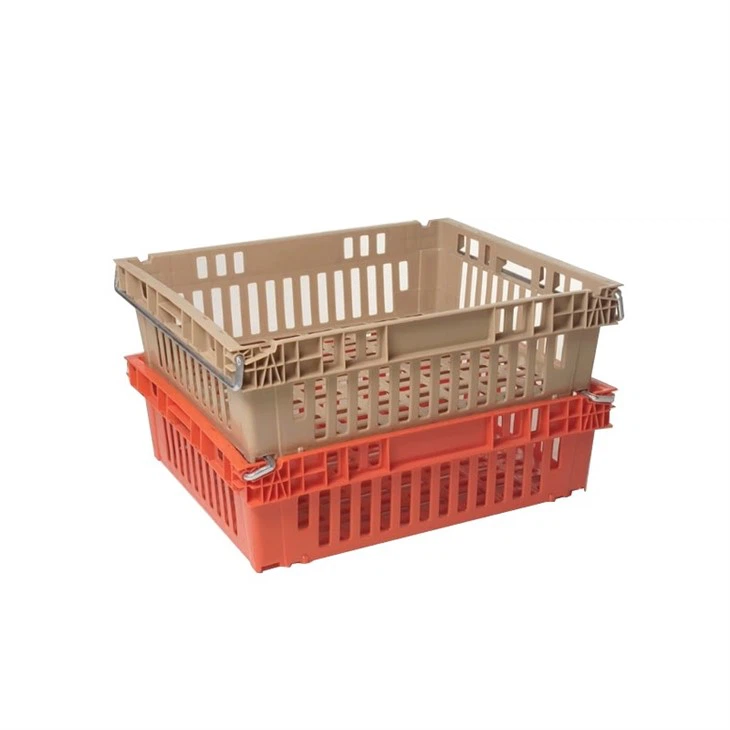
Perforated Side Walls Stack and Nest Crate, 25 X 15 X 8 Plastic Meat Lug, 24 X 20 X 7 Plastic Chillpac with Bails