


A conical poultry crate, also known as a conical chicken crate or cone-shaped transport crate, is a specialized container used for the safe and efficient transportation of poultry, particularly chickens. These crates are typically made of durable plastic or metal materials and are designed in a conical or tapered shape, with a wide base and a narrower top. The conical design allows for easy stacking and nesting of multiple crates, maximizing space efficiency during storage and transportation. Conical poultry crates feature ventilation holes or slats to ensure adequate airflow and ventilation for the enclosed birds, preventing overheating and suffocation during transit. Some crates may also include removable lids or doors for easy loading and unloading of poultry. The crates are lightweight yet sturdy, making them suitable for both short-distance and long-distance transportation of poultry, whether by road, rail, or air.
Advantages of Conical Poultry Crate
Optimized airflow
The conical design of the crate allows for efficient airflow, ensuring proper ventilation and reducing the risk of heat stress or suffocation for the enclosed poultry during transportation.
Space efficiency
Conical crates are designed to stack and nest together easily, maximizing space utilization during storage and transportation. This helps optimize storage capacity in poultry farms or transportation vehicles.
Versatility
Conical crates can be used for transporting various types of poultry, including chickens, ducks, turkeys, and more, making them a versatile and practical solution for poultry farmers and transportation companies.
Cost-effectiveness
Conical poultry crates offer excellent value for money, providing a cost-effective solution for the safe and efficient transportation of poultry compared to other transport methods or container types.
Why Choose US
Professional team
Our professional team collaborate and communicate effectively with one another, and are committed to delivering high-quality results. They are capable of handling complex challenges and projects that require their specialized expertise and experience.
Innovation
We are dedicated to improving our systems continually, ensuring that the technology we offer is always cutting edge.
One stop solution
We can offer a range of services, from consultation and advice to product design and delivery. It is a convenience for the customers, as they can get all the help they need in one place.
24h online service
We try and respond to all concerns within 24 hours and our teams are always at your disposal in case of any emergencies.
What Materials Are Typically Used to Manufacture Conical Poultry Crates
Plastic: High-density polyethylene (HDPE) and polypropylene (PP) are the most common types of plastic used in the manufacture of conical poultry crates. These plastics offer excellent durability, impact resistance, and ease of cleaning, making them ideal for poultry transportation.
Metal: Some conical poultry crates are made from metal materials such as aluminum or galvanized steel. Metal crates offer superior strength and durability, making them suitable for heavy-duty use and long-term transportation applications.
Fiberglass: Fiberglass-reinforced plastic (FRP) is occasionally used in the manufacturing of conical poultry crates. Fiberglass offers high strength-to-weight ratio, resistance to corrosion, and durability, making it suitable for harsh environments and outdoor use.
Composite materials: Some manufacturers use composite materials, which are a combination of plastics, resins, and fibers, to produce conical poultry crates. These materials offer a balance of strength, durability, and lightweight properties, making them suitable for poultry transportation.
How to Promote Poultry Transportation for Conical Poultry Crate
Space efficiency: The tapered design allows conical crates to nest inside each other when empty, saving valuable storage space. This nesting capability reduces the amount of space required for storage and transportation, maximizing efficiency in warehouses, trucks, and other storage areas.
Stackability: Conical crates can be stacked vertically when loaded with poultry, thanks to their tapered shape. This stacking capability optimizes space utilization during transportation, allowing more crates to be transported in a single load without compromising stability or safety.
Improved airflow: The conical shape promotes better airflow and ventilation within the crate, which is essential for maintaining optimal conditions for the health and well-being of the enclosed poultry during transportation. Adequate ventilation helps regulate temperature, humidity, and air quality inside the crate, reducing the risk of heat stress, suffocation, or respiratory problems.
Reduced stress on poultry: The tapered design of conical crates minimizes the amount of pressure exerted on the poultry during transportation or storage. Unlike flat-sided crates, conical crates distribute weight more evenly, reducing the risk of injury, bruising, or discomfort to the enclosed birds.
Enhanced stability: The wider base of the conical crate provides a stable foundation for stacking and transportation, minimizing the risk of tipping or shifting during transit. This stability ensures the safety and security of the poultry inside the crate and helps prevent accidents or injuries during handling and transportation.
Ease of handling: The conical shape of the crate makes it easier to handle and maneuver, both manually and with equipment such as forklifts or pallet jacks. The tapered design allows for a secure grip and balanced weight distribution, facilitating loading, unloading, and transportation operations.
Working Principle of Conical Poultry Crate

Conical shape
The primary feature of the conical poultry crate is its tapered or conical shape, with a wider base and a narrower top. This design allows for nesting of empty crates to save space during storage and transportation while providing stability and stackability when loaded with poultry.
Optimized airflow
The conical shape of the crate promotes better airflow and ventilation within the enclosure. Adequate ventilation is essential for maintaining optimal conditions for the health and well-being of the enclosed poultry during transportation, helping to regulate temperature, humidity, and air quality inside the crate.

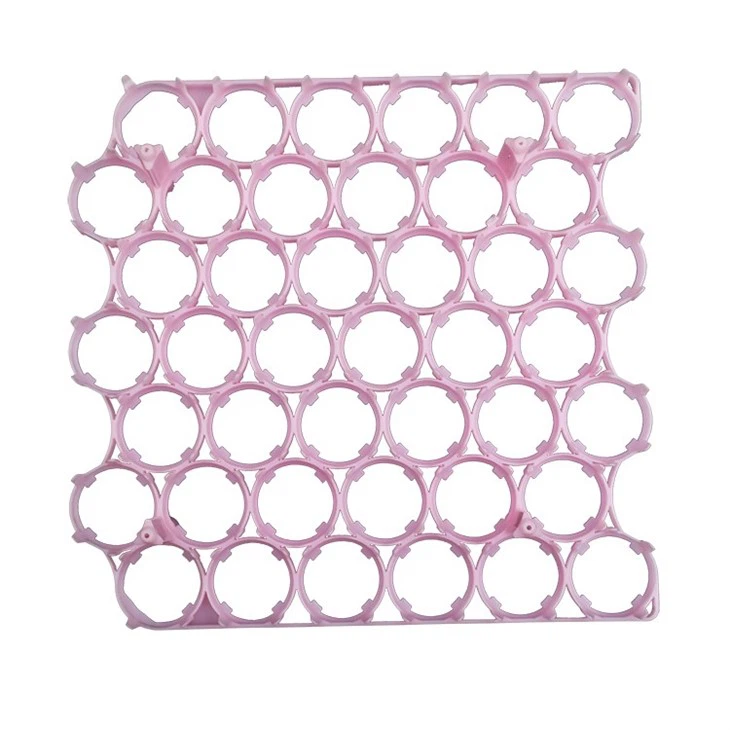
Stackability and stability
The conical crate's wider base provides a stable foundation for stacking multiple crates vertically during transportation. This stacking capability optimizes space utilization while ensuring stability and safety during handling and transit, reducing the risk of tipping or shifting.
Protection of poultry
The conical crate's design minimizes stress and discomfort to the enclosed poultry during transportation. The smooth, rounded edges and ample ventilation ensure the birds are transported in a safe and comfortable environment, reducing the risk of injury, bruising, or heat stress.

Materials Used in Conical Poultry Crate
Conical poultry crates are typically constructed from durable and lightweight materials suitable for the transportation and storage of poultry. Common materials used in the manufacturing of these crates include:
Plastic
High-density polyethylene (HDPE) and polypropylene (PP) are the most common types of plastic used in conical poultry crates. These plastics offer excellent durability, impact resistance, and ease of cleaning, making them ideal for poultry transportation.
Metal
Some conical poultry crates are made from metal materials such as aluminum or galvanized steel. Metal crates offer superior strength and durability, making them suitable for heavy-duty use and long-term transportation applications.
Fiberglass
Fiberglass-reinforced plastic (FRP) is occasionally used in the manufacturing of conical poultry crates. Fiberglass offers high strength-to-weight ratio, resistance to corrosion, and durability, making it suitable for harsh environments and outdoor use.
Composite materials
Some manufacturers use composite materials, which are a combination of plastics, resins, and fibers, to produce conical poultry crates. These materials offer a balance of strength, durability, and lightweight properties, making them suitable for poultry transportation.
How to Affect the Performance of Conical Poultry Crate
Environmental factors such as temperature and humidity can significantly affect the performance of conical poultry crates during transportation and storage. Here's how these factors impact crate performance:
Temperature
-High temperatures: Elevated temperatures inside the crate can lead to heat stress or heat stroke in the enclosed poultry, especially during hot weather or when exposed to direct sunlight. Proper ventilation and airflow within the crate are essential to prevent overheating and maintain a comfortable temperature for the birds.
-Low temperatures: Cold temperatures can also pose risks to poultry, particularly young chicks or birds with limited feathering. Insufficient insulation or protection from cold drafts can lead to chilling or hypothermia. Adequate bedding and supplemental heat sources may be necessary to maintain optimal warmth inside the crate during cold weather.
Humidity
-High humidity: Excessive moisture inside the crate can create a damp environment, leading to discomfort, respiratory problems, and increased susceptibility to diseases such as respiratory infections or fungal growth. Proper ventilation is crucial to reduce humidity levels and promote air circulation, preventing moisture buildup and maintaining a dry, comfortable environment for the birds.
-Low humidity: Dry air can cause dehydration and respiratory irritation in poultry, particularly in arid climates or during cold weather when humidity levels drop. Providing access to clean water and ensuring adequate ventilation to prevent excessive drying of the air can help maintain optimal humidity levels inside the crate.
Maintaining appropriate temperature and humidity levels inside conical poultry crates is essential to ensure the health, comfort, and well-being of the enclosed birds during transportation and storage. Proper ventilation, insulation, and environmental control measures are necessary to mitigate the effects of temperature extremes and humidity fluctuations, promoting optimal conditions for poultry welfare and performance.
The Production Process of Conical Poultry Crate
Material selection: The process begins with the selection of suitable materials for manufacturing the crates. Common materials include plastic (such as high-density polyethylene or polypropylene), metal (such as aluminum or galvanized steel), fiberglass, or composite materials. The choice of material depends on factors such as durability, weight, cost, and specific application requirements.
Molding or fabrication: Depending on the selected material, the crates are either molded or fabricated into the desired conical shape. Plastic crates are typically molded using injection molding or rotational molding techniques, while metal crates may be fabricated using cutting, bending, and welding processes. Fiberglass or composite crates may involve molding or casting processes to form the desired shape.
Cutting and shaping: Once the basic shape of the crates is formed, they are cut and shaped to the precise dimensions and specifications required for optimal performance. This may involve trimming excess material, cutting openings for ventilation or feeding ports, and shaping the crates to ensure proper stacking and nesting capabilities.
Assembly of components: If the crates consist of multiple components, such as lids, doors, or removable trays, these components are assembled and attached to the main crate body. This may involve fastening components together using screws, bolts, or other fasteners, or using adhesive bonding techniques for plastic or composite materials.
Quality control: Throughout the production process, quality control measures are implemented to ensure that the crates meet the required standards for durability, strength, dimensional accuracy, and functionality. Inspections are conducted at various stages of production to identify and address any defects or inconsistencies.
Finishing and surface treatment: Once assembled, the crates may undergo finishing processes such as surface smoothing, polishing, or coating application to enhance their appearance and durability. Metal crates may be coated with protective finishes such as paint or powder coating to prevent corrosion and extend their lifespan.
Packaging and shipping: After final inspection and quality assurance checks, the crates are packaged and prepared for shipping to customers. They may be stacked and palletized for bulk transportation, with appropriate labeling and documentation provided for easy identification and handling.
How Do I Determine the Correct Size for a Conical Poultry Crate
Type of poultry
Consider the type of poultry you will be transporting, such as chickens, ducks, turkeys, or quail. Different species have varying sizes and space requirements, so choose a crate size that accommodates the specific type of poultry you are transporting.
Average bird size
Determine the average size and weight of the birds you will be transporting. Measure the dimensions of a representative sample of birds, including length, width, and height, to estimate the space needed for each bird inside the crate.
Space requirements
Calculate the minimum space requirements for each bird based on industry standards or regulatory guidelines. Allow enough space for the birds to stand, turn around, and lie down comfortably without overcrowding. Generally, poultry crates should provide at least 1.5 to 2 square feet of floor space per bird.
Quantity of birds
Determine the total number of birds you will be transporting in a single crate or batch. Consider the capacity of the crate in terms of the maximum number of birds it can accommodate while still providing adequate space and ventilation for each bird.
Stacking and nesting
If you plan to stack or nest multiple crates during transportation or storage, consider the compatibility of crate sizes for efficient stacking and nesting. Choose crate sizes that allow for stable stacking without compromising ventilation or stability.
Transportation requirements
Consider the mode of transportation and any specific requirements or restrictions that may affect crate size. For example, if you will be transporting the crates in a truck or van, consider the available space and height clearance when selecting crate sizes.

Conical poultry crates can indeed be used for long-distance transportation. These crates are designed to provide a safe and comfortable environment for poultry during transportation, regardless of the distance. They offer several features that make them suitable for long journeys, including durability, ventilation, space optimization, and stability.
The crates are typically constructed from sturdy materials such as plastic, metal, or fiberglass, ensuring they can withstand the rigors of extended transportation. They also incorporate ventilation holes or slats to maintain adequate airflow and regulate temperature and humidity levels inside the crate, crucial for ensuring the well-being of the poultry during long trips.
Conical poultry crates are designed to optimize space utilization, allowing for efficient stacking and nesting during transportation. This helps maximize the number of crates that can be transported in a single load, reducing logistical costs and improving efficiency. these crates are engineered for stability, ensuring that they can be securely stacked and transported without compromising the safety of the enclosed poultry. Proper handling and loading techniques should be employed to minimize stress and injuries to the birds during transportation.
How to Improve the Efficiency of the Conical Poultry Crate
Enhance ventilation
Increase the number and size of ventilation holes or slats in the crate to improve airflow and ventilation for enclosed poultry. Proper ventilation helps regulate temperature and humidity levels, reducing the risk of heat stress or suffocation during transportation.
Strengthen materials
Use high-quality, durable materials such as reinforced plastics, metals, or composite materials to enhance the strength and durability of the crates. Ensure that the materials are resistant to impact, corrosion, and environmental conditions encountered during transportation.
Streamline handling
Design crates with ergonomic features such as integrated handles, stackable designs, and lightweight materials to facilitate easy handling, loading, and unloading. Minimize sharp edges or protrusions that could cause injuries to workers or poultry during handling.
Improve durability
Reinforce critical areas of the crate, such as corners, edges, and hinges, to improve durability and longevity. Conduct rigorous testing and quality control measures to ensure that the crates can withstand the rigors of transportation and repeated use without compromising performance.
Enhance cleanability
Design crates with smooth surfaces, removable components, and easy-to-clean materials to facilitate quick and thorough cleaning and sanitation between uses. Minimize crevices or grooves where dirt, debris, or pathogens could accumulate, promoting hygiene and biosecurity.
Implement RFID or barcode tracking
Incorporate RFID (Radio Frequency Identification) or barcode tracking systems into the crates to enable efficient inventory management and tracking of poultry during transportation. This helps improve traceability, reduce loss or theft, and streamline logistics processes.
How to Use Conical Poultry Crate
Preparation
- Inspect the crate for any damage or defects before use. Ensure that all components, such as lids, doors, and ventilation openings, are intact and functional.
- Clean and sanitize the crate thoroughly to remove any dirt, debris, or pathogens. Use a mild detergent and water solution, followed by a disinfectant, and allow the crate to dry completely before use.
Loading
- Place the crate on a flat, stable surface, such as a loading dock or truck bed, to facilitate loading.
- Carefully load the poultry into the crate, ensuring that they are handled gently and without causing stress or injury. Avoid overcrowding the crate, and provide sufficient space for each bird to stand, turn around, and lie down comfortably.
Securing
- Once the poultry are loaded, secure the crate by closing and latching any doors or lids to prevent the birds from escaping during transportation.
- Ensure that the crate is securely fastened to the transportation vehicle using straps, ropes, or other securing mechanisms to prevent shifting or tipping during transit.
Ventilation
- Verify that the ventilation openings or slats on the crate are unobstructed to allow for adequate airflow and ventilation during transportation.
- Monitor environmental conditions such as temperature and humidity levels to ensure the well-being of the enclosed poultry.
Transportation
- Transport the crate to its destination using appropriate transportation vehicles such as trucks, trailers, or vans.
- Drive carefully and avoid sudden stops, sharp turns, or rough handling that could cause stress or injury to the poultry inside the crate.
Cleaning and Maintenance
- After unloading the poultry, clean and sanitize the crate thoroughly to remove any residues or contaminants.
- Inspect the crate for any damage or wear and tear, and repair or replace any components as needed to maintain its functionality and integrity.
How to Install Conical Poultry Crate
Ensure you have all the necessary materials for assembly. This typically includes the conical crate components such as the cone-shaped frame, wire mesh panels, hinges, locks, and any additional hardware provided with the crate.
Select a suitable location: Choose a level and stable surface for assembly. It's also advisable to select a location that is convenient for loading and unloading poultry.
Assemble the frame: Start by assembling the cone-shaped frame according to the manufacturer's instructions. This usually involves joining the individual frame sections together using bolts or other fasteners provided. Ensure that the frame is securely assembled to prevent any instability.
Attach wire mesh panels: Once the frame is assembled, attach the wire mesh panels to the frame. These panels are typically designed to fit snugly onto the frame and may be secured using clips or fasteners provided with the crate.
Install hinges and locks: Ensure that the hinges are securely attached to both the door and the frame. Similarly, install any locks or latches provided to secure the door during transport.
Check for stability and security: Once the crate is fully assembled, carefully inspect it to ensure that all components are securely attached and that there are no sharp edges or protrusions that could injure the poultry during transport. Test the door to ensure that it opens and closes smoothly and that any locks or latches function correctly.
Clean and sanitize: Before use, clean the crate thoroughly and sanitize it according to recommended guidelines to ensure the health and safety of the poultry.
Dispose of packaging: Properly dispose of any packaging materials and waste generated during assembly, being mindful of recycling guidelines if applicable.
How to Clean Conical Poultry Crate


Remove Debris and Excess Litter: Start by removing any remaining poultry litter, feathers, or other debris from the crate. Use a brush or scraper to dislodge any stubborn debris stuck to the crate surfaces.
Rinse the Crate: Use a high-pressure hose or power washer to thoroughly rinse the crate inside and out. Pay close attention to corners, crevices, and any areas where debris may be trapped.
Apply Detergent or Disinfectant: Dilute the mild detergent or disinfectant according to the manufacturer's instructions and apply it generously to all surfaces of the crate. Make sure to cover every part of the crate, including the wire mesh panels, frame, and door.
Scrub the Crate: Use a scrub brush or sponge to scrub the detergent or disinfectant into the surfaces of the crate, paying particular attention to areas with visible stains or buildup. Scrubbing helps to loosen dirt, bacteria, and other contaminants, making them easier to rinse away.
Allow Dwell Time: Allow the detergent or disinfectant to remain on the crate surfaces for the recommended dwell time specified by the manufacturer. This allows the cleaning agent to effectively break down and kill any remaining pathogens.
Rinse Thoroughly: After the dwell time has elapsed, thoroughly rinse the crate again with clean water to remove any traces of detergent or disinfectant. Ensure that all surfaces are rinsed completely, as residue from cleaning agents can be harmful to poultry.
Sanitize: For an extra layer of protection against pathogens, you may choose to sanitize the crate after cleaning. Use a disinfectant approved for use in poultry facilities and follow the manufacturer's instructions for dilution and application.
Dry the Crate: Allow the crate to air dry completely before storing or using it again. Proper drying helps to prevent the growth of mold and bacteria on the crate surfaces.
Inspect and Maintain: After cleaning, inspect the crate for any signs of damage or wear that may need repair. Regular maintenance and inspection help to ensure the longevity and effectiveness of the crate.
What You Should Know When Use Conical Poultry Crate
Proper assembly: Ensure the crate is assembled correctly according to the manufacturer's instructions. A properly assembled crate will provide stability and security during transportation.
Size and capacity: Choose the appropriate size and capacity of the crate based on the number and size of the poultry being transported. Overcrowding can cause stress and injury to the birds.
Ventilation: Check that the crate provides adequate ventilation to maintain proper airflow during transportation. Proper ventilation is essential for regulating temperature and humidity and preventing heat stress.
Cleanliness: Keep the crate clean and sanitized before and after each use to prevent the spread of diseases among the poultry. Regular cleaning helps to remove feces, feathers, and other debris that can harbor pathogens.
Loading and unloading: Handle the poultry carefully when loading and unloading them from the crate to minimize stress and injury. Avoid overcrowding and ensure the birds have enough space to move comfortably.
Temperature control: Monitor the temperature inside the crate during transportation, especially in extreme weather conditions. Provide adequate bedding or insulation to regulate temperature and prevent heat stress or hypothermia.
Transportation: Handle the crate with care during transportation to minimize vibrations and sudden movements that can stress the poultry. Secure the crate properly in the vehicle to prevent tipping or shifting.
Our Factory
BYPC is a proudly Chinese manufacturer for various kinds of plastic poultry products, plastic crates and plastic pallets and some other specialized products that has been serving the market since 1996. We now have two standardized production plants and have obtained ISO certification, allowing us to provide injection molded plastics, blow molded plastics, rotational molded plastic products. Our standardized production process equipment ensure fast delivery of high-quality products.


Certifications


FAQ
Q: What are the primary benefits of using a conical poultry crate?
Q: How do I determine the correct size for a conical poultry crate?
Q: What materials are commonly used to construct conical poultry crates?
Q: Can conical poultry crates be used for long-distance transportation?
Q: Are there any specific rules or regulations for using conical poultry crates?
Q: How do I clean and maintain my conical poultry crate?
Q: Can I modify the crate to better suit my needs?
Q: How do I store my conical poultry crate when not in use?
Q: Can conical poultry crates be stacked for transport or storage?
Q: What is the best way to handle a conical poultry crate when moving it?
Q: How do I ensure the birds' safety during loading and unloading?
Q: Can I use a conical poultry crate for other animals besides poultry?
Q: How do I know if a conical poultry crate is of high quality?
Q: What should I do if a bird becomes ill or injured in the crate?
Q: Can I leave food and water in the crate during transport?
Q: How do I dispose of a damaged or unusable conical poultry crate?
Q: How do I prevent birds from escaping from the crate?
Q: Can I use a conical poultry crate in extreme weather conditions?
Q: How do I know if a crate is suitable for the specific breed of my birds?
Q: Can I repaint or refurbish my conical poultry crate?
We're professional conical poultry crate manufacturers and suppliers in China, specialized in providing high quality customized service. We warmly welcome you to wholesale cheap conical poultry crate in stock here and get free sample from our factory. Good service and low price are available.
Conical Poultry Crate, Poultry Transport Crate, Conical Plastic Chicken Crate