


A nestable chilling tray is a specialized container designed for chilling or freezing food items in a compact and space-efficient manner. These trays are typically made of durable materials such as plastic or stainless steel and feature a stackable design that allows multiple trays to nest together when not in use, minimizing storage space requirements. The trays are equipped with perforated or slotted surfaces to allow air circulation around the food items, facilitating rapid cooling or freezing. This design helps maintain food quality and safety by reducing the risk of bacterial growth and spoilage during the chilling process. Nestable chilling trays are commonly used in commercial kitchens, food processing facilities, and catering operations to chill or freeze a variety of perishable food items such as fruits, vegetables, meats, seafood, and prepared dishes. They are also suitable for use in home kitchens, providing a convenient and space-saving solution for chilling or freezing foods in large quantities.
Advantages of Nestable Chilling Tray
Space efficiency
One of the primary advantages of nestable chilling trays is their space-saving design. These trays are stackable and nest together when not in use, minimizing storage space requirements in kitchens, refrigerators, or freezers.
Versatility
Nestable chilling trays are suitable for chilling or freezing a wide range of food items, including fruits, vegetables, meats, seafood, and prepared dishes. They can accommodate different shapes and sizes of food containers, making them versatile for various culinary applications.
Air circulation
The perforated or slotted surfaces of nestable chilling trays allow for efficient air circulation around the food items. This promotes rapid and uniform cooling or freezing, helping to maintain food quality and safety by reducing the risk of bacterial growth and spoilage.
Durability
These trays are designed to withstand the rigors of commercial kitchen environments, with sturdy construction that resists bending, warping, or damage from repeated use. This durability ensures long-term reliability and performance in demanding food service settings.
Why Choose US
Professional team
Our professional team collaborate and communicate effectively with one another, and are committed to delivering high-quality results. They are capable of handling complex challenges and projects that require their specialized expertise and experience.
Innovation
We are dedicated to improving our systems continually, ensuring that the technology we offer is always cutting edge.
One stop solution
We can offer a range of services, from consultation and advice to product design and delivery. It is a convenience for the customers, as they can get all the help they need in one place.
24h online service
We try and respond to all concerns within 24 hours and our teams are always at your disposal in case of any emergencies.

The working principle of a nestable chilling tray revolves around optimizing air circulation and space efficiency to rapidly and uniformly chill or freeze food items. These trays are designed with perforated or slotted surfaces that allow air to circulate freely around the food items placed on them. When food items are placed on the nestable chilling tray and stacked together with other trays, air can flow between the trays, ensuring even cooling or freezing throughout the stack. This efficient air circulation helps to rapidly remove heat from the food items, lowering their temperature quickly and minimizing the risk of bacterial growth and spoilage.
The nestable design of these trays allows multiple trays to be stacked and nested together when not in use, maximizing storage space in refrigerators or freezers. This space-saving feature is achieved by aligning the trays so that they fit neatly within each other, reducing the overall footprint of the stacked trays. the perforated or slotted surfaces of the nestable chilling tray allow any moisture released from the food items during chilling or freezing to drain away, preventing the accumulation of excess moisture that could lead to soggy or degraded food quality.
Materials Used in Nestable Chilling Tray
Plastic
Plastic is a popular choice for nestable chilling trays due to its lightweight nature, durability, and resistance to corrosion. High-density polyethylene (HDPE) or polypropylene (PP) are commonly used types of plastic for these trays. Plastic trays are easy to clean, making them suitable for use in food service environments.
Stainless steel
Stainless steel is another common material used for nestable chilling trays, particularly in commercial kitchens and food processing facilities. Stainless steel trays are durable, resistant to corrosion, and easy to sanitize, making them suitable for use in high-volume food preparation environments.
Aluminum
Aluminum is lightweight and has excellent thermal conductivity, making it suitable for use in nestable chilling trays. Aluminum trays are durable, easy to clean, and provide efficient heat transfer, allowing for rapid chilling or freezing of food items.
Composite materials
Some nestable chilling trays may be made of composite materials, which are combinations of different materials such as plastic and fiberglass. Composite materials offer a balance of durability, lightweight, and resistance to corrosion.
Food-grade materials
Regardless of the specific material used, nestable chilling trays are typically made from food-grade materials that meet safety and hygiene standards for contact with food. These materials are non-toxic, BPA-free, and safe for use in food service environments.
How Does a Nestable Chilling Tray Differ from Traditional Chilling Trays
The most significant difference is the nestable design of nestable chilling trays. These trays are designed to stack and nest together when not in use, reducing storage space requirements. Traditional chilling trays typically do not have this feature and are stored individually, occupying more space.
Nestable chilling trays are designed to maximize space efficiency while still providing ample surface area for chilling or freezing food items. Their stackable design allows multiple trays to be stored in a compact footprint, optimizing storage space in refrigerators or freezers. Traditional chilling trays may be less space-efficient since they cannot be stacked or nested.
Both nestable and traditional chilling trays are designed to promote airflow around food items for efficient cooling or freezing. However, nestable chilling trays may have perforated or slotted surfaces specifically designed to enhance air circulation while maintaining their nestable properties. Traditional chilling trays may have solid surfaces or different ventilation patterns.
While both types of trays may be made from materials such as plastic, stainless steel, or aluminum, the specific design and construction may differ. Nestable chilling trays are engineered with a focus on stackability and space-saving features, whereas traditional chilling trays may prioritize other aspects such as durability or ease of cleaning.
Nestable chilling trays are often designed to be versatile, accommodating a wide range of food items and container sizes while still maintaining their nestable properties. Traditional chilling trays may vary in their design and suitability for different types of food items or containers.
The nestable design optimizes storage space by minimizing the footprint of the trays when stored. This is particularly beneficial in environments where space is limited, such as commercial kitchens, refrigerators, or freezers. The ability to stack trays vertically reduces clutter and maximizes available space for other items or activities. Nesting trays streamline organization by keeping them neatly stacked and easily accessible. This facilitates inventory management and reduces the time and effort required to locate specific trays when needed. The organized layout also promotes cleanliness and hygiene by minimizing the potential for clutter and obstruction. The nestable feature enhances convenience during handling and transportation. Stacked trays can be moved as a single unit, simplifying the process of loading, unloading, and transporting multiple trays at once. This reduces the risk of accidents or mishaps and improves overall efficiency in food service operations.

The Production Process of Nestable Chilling Tray
Material selection: The production process begins with the selection of suitable materials for the nestable chilling trays. Common materials include food-grade plastics such as high-density polyethylene (HDPE) or polypropylene (PP), stainless steel, or aluminum. The chosen material should meet safety and hygiene standards for contact with food.
Design and prototyping: Once the material is selected, designers create a detailed design of the nestable chilling tray, taking into account factors such as dimensions, stackability, ventilation, and durability. Prototypes may be created and tested to ensure that the design meets functional requirements and performs effectively in real-world conditions.
Tooling and molding: After finalizing the design, molds or tooling are created to manufacture the trays. For plastic trays, injection molding or thermoforming processes are commonly used to shape the trays according to the design specifications. For metal trays, processes such as stamping or machining may be employed to form the desired shapes and features.
Manufacturing: The chosen material is heated and formed into the shape of the nestable chilling trays using the molds or tooling. This may involve injecting molten plastic into the molds for plastic trays or pressing and shaping metal sheets for metal trays. The trays are then cooled and removed from the molds.
Finishing: After the trays are formed, they may undergo additional finishing processes to refine their appearance and functionality. This may include trimming excess material, smoothing rough edges, or adding surface treatments such as polishing or coating to improve durability and aesthetics.
How to Choose Nestable Chilling Tray

Material
Size and capacity
Stackability
Ventilation
Versatility
How to Use Nestable Chilling Tray
Arrange food items: Place the food items you want to chill or freeze onto the surface of the tray. Ensure that the items are spaced evenly and not overcrowded to allow for proper air circulation.
Stack trays: If using multiple trays, stack them securely on top of each other. Nestable chilling trays are designed to stack and nest together when not in use, maximizing storage space efficiency.
Place in freezer or refrigerator: Once the food items are arranged on the trays, place the trays in the freezer or refrigerator. Ensure that there is adequate space around the trays for air to circulate freely.
Monitor temperature: Monitor the temperature of the freezer or refrigerator to ensure it is set to the appropriate level for chilling or freezing the food items. Follow food safety guidelines to maintain proper temperature control and prevent spoilage.
Allow for sufficient chilling or freezing time: Allow the food items to chill or freeze for the recommended amount of time, depending on their type and size. Check the trays periodically to ensure that the food items are cooling or freezing evenly.
Remove and serve: Once the food items are chilled or frozen to the desired temperature, remove them from the trays and serve as needed. If storing the items for later use, transfer them to appropriate storage containers or packaging.

Can Nestable Chilling Trays Be Used for Both Hot and Cold Food Items
Nestable chilling trays are primarily designed for chilling or freezing food items and may not be suitable for use with hot food items. The materials used in nestable chilling trays, such as plastic or metal, are generally intended for use in cold or ambient temperature environments and may not withstand high temperatures associated with hot food items.
Attempting to use nestable chilling trays for hot food items could potentially damage the trays, leading to warping, melting, or other forms of degradation. Additionally, nestable chilling trays typically feature ventilation holes or slotted surfaces designed to promote airflow and facilitate efficient cooling or freezing, which may not be compatible with hot food items.
For hot food items, it's recommended to use trays or containers specifically designed for heat resistance and safe handling of hot foods. These containers are typically made of materials such as stainless steel or heat-resistant plastics and are designed to withstand high temperatures without warping or melting. while nestable chilling trays excel in chilling or freezing food items, they are not suitable for use with hot food items. It's essential to use the appropriate containers and equipment designed for the specific temperature requirements of the food being served or stored to ensure safety and maintain food quality.
Can Nestable Chilling Trays Be Used for Transporting Food Items
Nestable chilling trays can be used for transporting food items, especially for short distances and when maintaining the temperature of the food is critical. These trays are designed to provide efficient cooling or freezing of food items while also offering convenience and space-saving features for transportation. Arrange the food items on the nestable chilling trays, ensuring they are evenly spaced and not overcrowded. This allows for proper airflow and efficient cooling or freezing during transportation.
Stacking: If using multiple trays, stack them securely on top of each other to maximize space efficiency. Nestable chilling trays are designed to stack and nest together when not in use, making them convenient for transportation.
Temperature control: Ensure that the food items are adequately chilled or frozen before transporting them on the trays. Monitor the temperature of the trays and the surrounding environment to prevent spoilage and maintain food safety during transit.
Secure transportation: Transport the stacked trays securely to prevent shifting or movement during transit. Use appropriate packaging or containers to protect the trays and minimize the risk of damage to the food items.

Selecting the right size for your nestable chilling tray involves considering several factors to ensure it meets your specific needs and requirements effectively. Firstly, assess the quantity and size of the food items you typically need to chill or freeze. Choose a tray size that can accommodate your typical load comfortably without overcrowding, allowing adequate airflow around the food items for efficient cooling or freezing. Additionally, consider the available storage space in your refrigerator or freezer and select a tray size that fits well within the available space. It's essential to strike a balance between maximizing the tray's surface area for chilling efficiency and ensuring it fits within your storage constraints. If you anticipate transporting the trays frequently, consider the available space in your transport vehicle and choose a size that allows for efficient stacking and transportation without excessive bulk. Finally, take into account any specific requirements or preferences regarding portion sizes, packaging dimensions, or serving quantities when selecting the size of your nestable chilling tray. By considering these factors, you can choose the right size tray that optimally meets your needs for chilling or freezing food items while maximizing efficiency and convenience.
Can Nestable Chilling Trays Be Used for Chilling or Freezing Liquid-Based Food Items
Nestable chilling trays can be used for chilling or freezing liquid-based food items, provided that certain considerations are taken into account. When using these trays for liquid-based items such as soups, sauces, stocks, or beverages, it's essential to follow these guidelines:
Container Selection
Use appropriate containers that are leak-proof and compatible with the chilling or freezing process. Choose containers made of materials such as food-grade plastic or glass that can withstand low temperatures without cracking or shattering.
Fill Level
Fill the containers with liquid-based food items to an appropriate level, leaving some space at the top to allow for expansion during freezing. Overfilling containers can cause them to burst or leak as the liquid expands when freezing.
Allow for Cooling Time
After filling the containers, place them on the nestable chilling trays and allow them to cool to room temperature before transferring them to the refrigerator or freezer. This helps prevent thermal shock and minimizes the risk of condensation forming on the trays.
Stacking
If using multiple trays, stack them securely on top of each other, ensuring that the containers are stable and do not tip over or spill during stacking or transportation.
Temperature Control
Monitor the temperature of the refrigerator or freezer to ensure it is set to the appropriate level for chilling or freezing liquid-based food items. Follow food safety guidelines to maintain proper temperature control and prevent spoilage.
Thawing
When ready to use the liquid-based food items, thaw them in the refrigerator or at room temperature, avoiding rapid thawing methods that can compromise food quality.
Operation Details About Nestable Chilling Tray
Optimize ventilation: Ensure that the nestable chilling trays have adequate ventilation to promote airflow around the food items during chilling or freezing. Proper ventilation helps maintain uniform cooling or freezing and prevents moisture buildup, which can affect food quality. Check for perforations or slotted surfaces on the trays to facilitate efficient airflow.
Maximize space utilization: Utilize the stackable and nestable design of the trays to maximize space utilization in refrigerators or freezers. Stack trays securely on top of each other to efficiently utilize vertical space, minimizing wasted space and optimizing storage capacity.
Temperature control: Monitor and control the temperature of the refrigerator or freezer to ensure it is set at the appropriate level for chilling or freezing food items. Follow food safety guidelines to maintain consistent temperature control, preventing spoilage and ensuring food quality and safety.
Proper loading: Arrange food items evenly on the trays, avoiding overcrowding to allow for proper airflow and efficient cooling or freezing. Ensure that food items are spaced apart adequately to prevent them from sticking together during chilling or freezing.
Regular maintenance: Keep the nestable chilling trays clean and well-maintained to ensure optimal performance. Regularly inspect the trays for any damage or defects that may affect their functionality. Clean the trays thoroughly after each use, following manufacturer's instructions, to prevent contamination and maintain hygiene standards.
Efficient transportation: Use nestable chilling trays for efficient transportation of chilled or frozen food items. Stack trays securely and use appropriate packaging or containers to protect the trays and minimize the risk of damage during transit.
Maintenance Tips for Nestable Chilling Tray
Regular cleaning: Clean the nestable chilling trays thoroughly after each use to remove food residue, spills, and debris. Use warm, soapy water and a non-abrasive sponge or cloth to wash the trays, paying attention to any crevices or corners where dirt may accumulate. Rinse the trays with clean water and dry them thoroughly before storing.
Sanitization: Periodically sanitize the nestable chilling trays to eliminate bacteria and prevent contamination. Use a food-safe disinfectant or sanitizer diluted according to the manufacturer's instructions. Apply the sanitizer to the trays and allow it to sit for the recommended contact time before rinsing with clean water and drying.
Avoid harsh chemicals: Avoid using harsh or abrasive cleaning chemicals, bleach, or abrasive scrubbers that could damage the surface of the trays. Stick to mild detergents and non-abrasive cleaning tools to preserve the integrity of the trays.
Inspect for damage: Regularly inspect the nestable chilling trays for any signs of damage, such as cracks, chips, or warping. Damaged trays should be repaired or replaced to prevent further deterioration and ensure food safety.
Storage: Store the nestable chilling trays in a clean, dry, and well-ventilated area when not in use. Ensure that the trays are stacked securely and nested together to maximize storage space efficiency. Avoid stacking heavy objects on top of the trays, as this could cause deformation or damage.
Avoid extreme temperatures: Avoid exposing the nestable chilling trays to extreme temperatures or sudden temperature changes, as this could cause warping or damage to the trays. Store the trays in a temperature-controlled environment to maintain their integrity.
Handle with care: Handle the nestable chilling trays with care to prevent dropping or mishandling that could cause damage. Avoid using excessive force when stacking or nesting the trays to prevent deformation or misalignment.
Our Factory
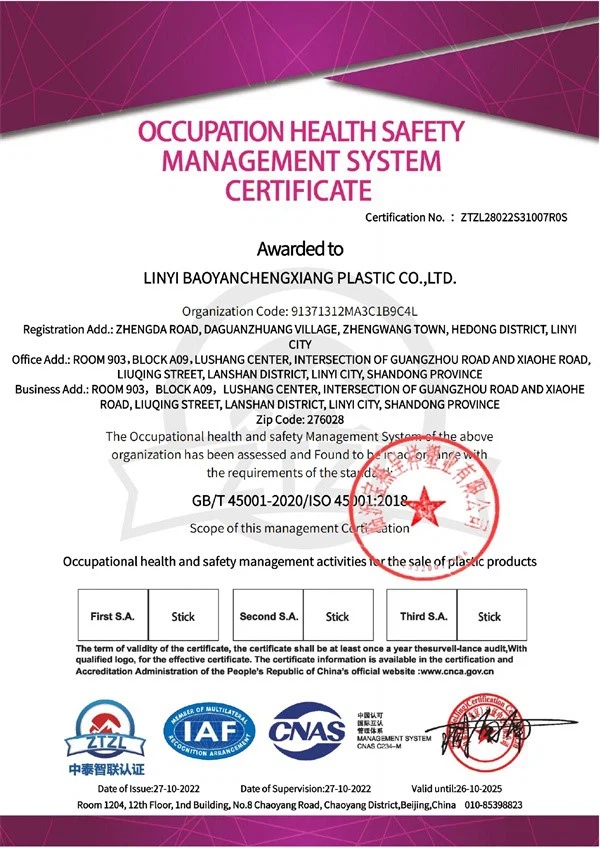
BYPC is a proudly Chinese manufacturer for various kinds of plastic poultry products, plastic crates and plastic pallets and some other specialized products that has been serving the market since 1996. We now have two standardized production plants and have obtained ISO certification, allowing us to provide injection molded plastics, blow molded plastics, rotational molded plastic products. Our standardized production process equipment ensure fast delivery of high-quality products.


Certifications


FAQ
Q: What is a Nestable Chilling Tray?
Q: What are the benefits of using a Nestable Chilling Tray?
Q: What materials are Nestable Chilling Trays made from?
Q: How do I select the right size for my Nestable Chilling Tray?
Q: Can I modify my Nestable Chilling Tray?
Q: What features should I look for when choosing a Nestable Chilling Tray?
Q: Are there any alternatives to Nestable Chilling Trays?
Q: How do I maintain my Nestable Chilling Tray?
Q: What is the maximum weight capacity for a typical Nestable Chilling Tray?
Q: Can I use my Nestable Chilling Tray for frozen foods?
Q: How do I dispose of old or damaged Nestable Chilling Trays?
Q: Can nestable chilling trays be used for transporting food items?
Q: Are there any special features in nestable chilling trays to prevent cross-contamination between food items?
Q: What are the cleaning and maintenance requirements for nestable chilling trays?
Q: Can nestable chilling trays be customized or tailored to specific needs or preferences?
Q: How do environmental factors such as temperature and humidity affect the performance of nestable chilling trays?
Q: Are there any regulations or guidelines regarding the use of nestable chilling trays in food handling and storage?
Q: Can nestable chilling trays be used in both commercial and residential settings?
Q: Are there any safety concerns associated with using nestable chilling trays?
Q: How does the cost of nestable chilling trays compare to other chilling tray options?
We're professional nestable chilling tray manufacturers and suppliers in China, specialized in providing high quality customized service. We warmly welcome you to wholesale cheap nestable chilling tray in stock here and get free sample from our factory. Good service and low price are available.
Nestable Chilling Tray, Plastic Nesting Chilling Tray