


A rectangular chicken transport crate is a specialized container designed for safely and efficiently transporting chickens. These crates are typically made of durable materials such as plastic or metal and are specifically constructed to accommodate the needs of poultry during transportation. The design of a rectangular chicken transport crate usually features sturdy walls and a secure lid to prevent escape and protect the chickens from external elements. The crate often includes ventilation holes or slats to ensure adequate airflow for the chickens while preventing overcrowding. Some crates may also have handles or grips for ease of handling and transportation. These crates are commonly used by poultry farmers, hatcheries, and poultry processors to transport chickens between farms, markets, processing plants, and other locations.
Advantages of Rectangular Chicken Transport Crate
Protection
These crates offer protection to the chickens during transportation. The sturdy walls and secure lids prevent the birds from escaping and shield them from external elements such as weather, predators, and rough handling.
Ventilation
Rectangular chicken transport crates are designed with ventilation holes or slats to ensure adequate airflow. Proper ventilation is crucial for maintaining the health and well-being of the chickens during transit, preventing overheating and stress.
Biosecurity
Using dedicated transport crates helps maintain biosecurity by minimizing the risk of disease transmission between flocks. The crates can be cleaned and sanitized between uses to prevent the spread of pathogens.
Ease of handling
Many rectangular chicken transport crates feature handles or grips for ease of handling. This makes it easier for poultry farmers, hatcheries, and processors to lift, move, and stack the crates, improving overall efficiency and reducing the risk of injuries.
Why Choose US
Professional team
Our professional team collaborate and communicate effectively with one another, and are committed to delivering high-quality results. They are capable of handling complex challenges and projects that require their specialized expertise and experience.
Innovation
We are dedicated to improving our systems continually, ensuring that the technology we offer is always cutting edge.
One stop solution
We can offer a range of services, from consultation and advice to product design and delivery. It is a convenience for the customers, as they can get all the help they need in one place.
24h online service
We try and respond to all concerns within 24 hours and our teams are always at your disposal in case of any emergencies.
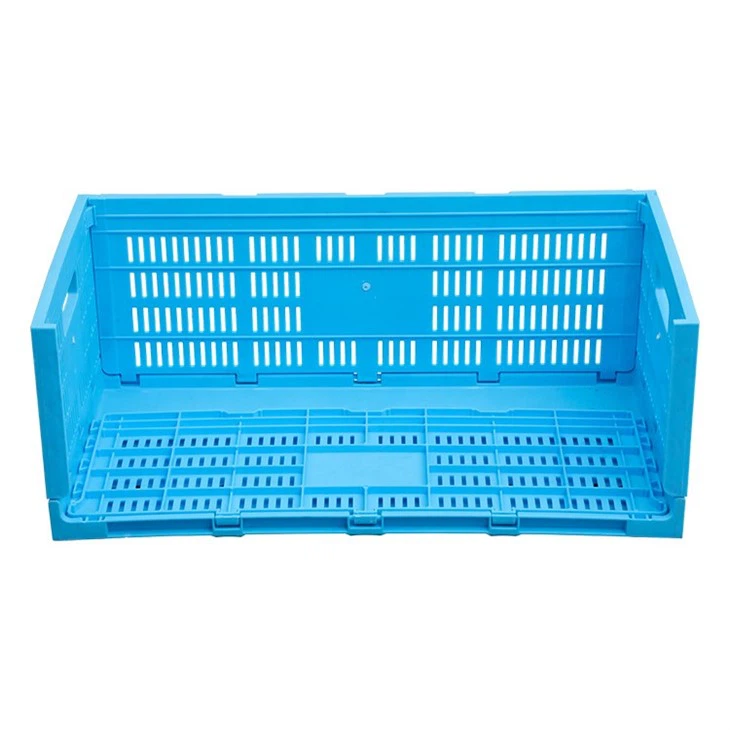
The working principle of a rectangular chicken transport crate revolves around providing a safe, secure, and comfortable environment for transporting chickens. These crates are designed to accommodate the specific needs of poultry during transit, considering factors such as protection, ventilation, and ease of handling. The primary function of the crate is to contain the chickens securely, preventing them from escaping and protecting them from external elements such as weather conditions, predators, and rough handling during transportation. The rectangular shape of the crate provides ample space for the chickens to stand, sit, and move around comfortably without overcrowding.
Ventilation is a critical aspect of the working principle of a chicken transport crate. The crate is typically equipped with ventilation holes or slats strategically placed to ensure adequate airflow throughout the container. Proper ventilation helps regulate temperature and humidity inside the crate, preventing overheating and stress among the chickens during transit. Ease of handling is another essential aspect of the working principle of these crates. Many rectangular chicken transport crates are designed with features such as handles or grips, making them easy to lift, carry, and stack. This facilitates efficient loading, unloading, and transportation of the crates, reducing the risk of injuries and improving overall handling efficiency. the crates are constructed using durable materials such as plastic or metal to withstand the rigors of transportation and repeated use. They are designed to be easy to clean and sanitize between uses, ensuring biosecurity and preventing the spread of diseases between flocks.
Materials Used in Rectangular Chicken Transport Crate
Rectangular chicken transport crates are typically constructed using a variety of materials chosen for their durability, ease of cleaning, and ability to provide adequate ventilation. The materials commonly used in the construction of these crates include:
Plastic: Plastic is a popular choice for chicken transport crates due to its lightweight, durable, and easy-to-clean properties. High-density polyethylene (HDPE) or polypropylene (PP) are commonly used types of plastic for these crates. Plastic crates are resistant to corrosion and moisture, making them suitable for use in various weather conditions.
Metal: Some chicken transport crates are made of metal, such as aluminum or galvanized steel. Metal crates offer excellent durability and strength, making them suitable for heavy-duty use and long-term durability. However, metal crates may be heavier than plastic ones and require more maintenance to prevent corrosion.
Wire mesh: Wire mesh crates are another option for chicken transport, providing excellent ventilation while still containing the birds securely. These crates are typically made of galvanized steel wire mesh and may have a plastic or metal frame for added stability.
Composite materials: Some chicken transport crates may be made of composite materials, which are combinations of different materials such as plastic and fiberglass. Composite materials offer a balance of durability, lightweight, and resistance to corrosion.
Wood: While less common than plastic or metal crates, wooden crates may still be used for chicken transport in certain situations. Wood offers natural insulation and may be more cost-effective in some cases. However, wooden crates may be heavier and less resistant to moisture compared to other materials.
The design of a rectangular chicken transport crate ensures safety through several key features and considerations. Firstly, the crate is constructed with sturdy and durable materials such as plastic or metal to withstand the rigors of transportation and provide secure containment for the chickens. The walls of the crate are designed to be high enough to prevent escape while still allowing adequate ventilation through ventilation holes or slats, ensuring that the chickens remain secure and comfortable during transit. the crate is equipped with a secure lid or cover to prevent the chickens from escaping and to protect them from external elements such as weather conditions, predators, and rough handling. The lid is designed to latch securely to the crate, minimizing the risk of accidental openings during transportation.
The design of the crate takes into account the need for proper ventilation to maintain optimal airflow and regulate temperature and humidity levels inside the crate. Ventilation holes or slats are strategically placed to ensure adequate airflow without compromising the structural integrity of the crate or allowing the chickens to escape. Ease of handling is another important aspect of the crate's design for safety. Many crates feature handles or grips for ease of lifting, carrying, and stacking, reducing the risk of injuries to handlers and ensuring efficient loading and unloading of the crates.


You can modify your rectangular chicken transport crate, but it's crucial to do so carefully and with consideration for the safety and well-being of the chickens. Before making any modifications, assess the specific needs and challenges you're facing with the current crate design. If you're looking to enhance ventilation, consider adding additional ventilation holes or slats to improve airflow without compromising the structural integrity of the crate. If you need to improve comfort for the chickens, you might explore options like adding padding or nonslip surfaces to prevent injury and stress during transportation. However, ensure that any modifications are made using materials that are safe, durable, and easy to clean to maintain proper hygiene standards. Additionally, be mindful of any regulatory standards or guidelines governing chicken transport crates in your area, and ensure that your modifications comply with these regulations to avoid any legal issues. with careful planning and execution, modifying your rectangular chicken transport crate can help optimize its performance and better meet the needs of both the chickens and handlers during transportation.
Ventilation within rectangular chicken transport crates is essential for maintaining airflow and regulating temperature and humidity levels to ensure the well-being of the chickens during transportation. The crates are designed with strategically placed ventilation holes or slats along the walls and possibly the lid. These openings allow fresh air to enter the crate while allowing stale air to exit, creating a continuous flow of air throughout the interior.
As the crate moves, air circulates through the ventilation openings, carrying away heat, moisture, and odors produced by the chickens. This circulation helps prevent the buildup of harmful gases, such as ammonia, which can accumulate in poorly ventilated environments and pose health risks to the birds. Additionally, proper ventilation helps regulate temperature and humidity levels inside the crate, preventing overheating or excessive moisture accumulation, which can lead to heat stress or respiratory issues in the chickens. The design of the ventilation openings is crucial to ensure optimal airflow without compromising the structural integrity of the crate or allowing the chickens to escape. The size and placement of the openings are carefully considered to balance ventilation needs with the need to maintain a secure containment environment.

How Do Rectangular Chicken Transport Crates Contribute to Biosecurity Measures in Poultry Farms
.
Containment
The primary function of these crates is to securely contain chickens during transportation. By preventing direct contact between birds from different flocks, the crates help reduce the spread of pathogens that could be carried by infected birds.
Isolation
When transporting chickens, it's essential to isolate them from other birds on the farm to prevent cross-contamination. Rectangular transport crates provide a controlled environment where birds from different flocks are segregated, minimizing the risk of disease transmission.
Cleaning and sanitization
Rectangular chicken transport crates are designed to be easy to clean and sanitize between uses. Thorough cleaning and disinfection of the crates help remove any potential pathogens, reducing the risk of disease transmission during subsequent uses.
Ventilation
Proper ventilation in transport crates helps maintain a healthy environment for the chickens during transit. By regulating airflow and reducing moisture buildup, ventilation can help minimize the survival and spread of pathogens within the crate.
Single-use or dedicated use
Some poultry farms may opt for single-use crates or designate specific crates for transporting birds from specific flocks. This helps prevent the introduction of pathogens from other sources and minimizes the risk of cross-contamination.
How to Choose Rectangular Chicken Transport Crate
Size and capacity: Determine the number of chickens you need to transport regularly and choose a crate size that can accommodate them comfortably. Ensure that the crate has enough space for the chickens to stand, sit, and move around without overcrowding, as overcrowding can cause stress and injury during transit.
Material: Consider the material of the crate, which can affect durability, weight, and ease of cleaning. Common materials include plastic, metal, and composite materials. Choose a material that is durable, lightweight, and easy to clean, ensuring the crate can withstand the rigors of transportation and maintain proper hygiene standards.
Ventilation: Look for crates with adequate ventilation to ensure proper airflow during transit. Ventilation holes or slats should be strategically placed to promote air circulation while preventing the escape of chickens or the ingress of contaminants.
Safety features: Ensure that the crate has secure latches or fasteners to prevent accidental openings during transportation. Check for smooth edges and sturdy construction to minimize the risk of injury to both chickens and handlers.
Ease of handling: Consider features such as handles or grips that make the crate easy to lift, carry, and stack. This is especially important if you will be loading and unloading the crates frequently or transporting them over long distances.
How to Install Rectangular Chicken Transport Crate
Choose a flat, level surface for installing the crate, preferably in a clean and well-ventilated area. Ensure there is enough space to maneuver around the crate during installation.
Assemble the crate: If the crate comes unassembled, follow the manufacturer's instructions to assemble it properly. This may involve attaching the walls, lid, and any other components securely using screws, bolts, or other fasteners provided.
Inspect the crate: Before use, inspect the crate for any damage or defects that may compromise its integrity or safety. Ensure that all components are securely attached and that there are no sharp edges or protrusions that could injure the chickens during transportation.
Prepare the interior: Line the bottom of the crate with clean, absorbent bedding material such as wood shavings or straw. This provides cushioning and helps absorb moisture during transit, ensuring the comfort of the chickens.
Load the chickens: Carefully place the chickens into the crate, ensuring they are evenly distributed and have enough space to stand, sit, and move around comfortably. Avoid overcrowding the crate, as this can cause stress and injury to the birds.
Secure the lid: Once the chickens are loaded, securely fasten the lid of the crate to prevent accidental openings during transportation. Ensure that the latches or fasteners are properly engaged and that the lid is tightly sealed.
Check ventilation: Verify that the ventilation holes or slats on the crate are unobstructed and provide adequate airflow for the chickens. Ensure that no bedding material or other debris blocks the ventilation openings.
Final inspection: Before transporting the chickens, conduct a final inspection of the crate to ensure everything is in place and secure. Double-check that the chickens have access to water and that all safety measures are in place.
Can Rectangular Chicken Transport Crates Be Used in Different Climates
Rectangular chicken transport crates can be used in different climates, but it's essential to consider the specific environmental conditions and take appropriate precautions to ensure the well-being of the chickens during transportation.
In hot climates, proper ventilation is crucial to prevent heat stress and maintain a comfortable temperature inside the crate. Choose crates with adequate ventilation holes or slats to promote airflow and prevent overheating. Additionally, consider shading the crates during transport to minimize exposure to direct sunlight and reduce the risk of heat-related issues.
In cold climates, insulation and protection from the elements are key considerations. Look for crates with solid walls and a secure lid to provide insulation against cold temperatures and wind. Adding bedding material or straw to the crate can also help provide additional insulation and warmth for the chickens during transit.
Regardless of the climate, it's essential to monitor the temperature and humidity levels inside the crates during transportation. Avoid transporting chickens in extreme weather conditions, such as during heatwaves or severe cold snaps, when possible. Take breaks during long journeys to check on the chickens, provide water, and make any necessary adjustments to ensure their comfort and well-being. By considering the specific climate conditions and taking appropriate precautions, rectangular chicken transport crates can be used effectively in various climates to transport poultry safely and comfortably.
How to Clean Rectangular Chicken Transport Crate
Empty the crate
Remove any bedding material or debris from the crate and ensure that it is completely empty before starting the cleaning process.
Pre-rinse
Use a hose or pressure washer to pre-rinse the crate, removing any loose dirt, feathers, or other debris. This step helps loosen stubborn residues and prepares the crate for thorough cleaning.
Prepare cleaning solution
Prepare a cleaning solution using a mild detergent or poultry-safe disinfectant diluted in warm water. Follow the manufacturer's instructions for the proper dilution ratio.
Scrub the crate
Using a brush or sponge, scrub the interior and exterior surfaces of the crate thoroughly with the cleaning solution. Pay special attention to areas with visible dirt or residue, as well as corners, crevices, and ventilation openings.
Rinse
Rinse the crate thoroughly with clean water to remove any soap residue or remaining dirt. Ensure that all surfaces are adequately rinsed, including the corners and crevices.
Disinfect
Apply a poultry-safe disinfectant to the cleaned crate according to the manufacturer's instructions. Allow the disinfectant to sit for the recommended contact time to ensure effective sanitization. Rinse the crate again with clean water to remove any traces of disinfectant and ensure that it is thoroughly clean and safe for use.
Dry
Allow the crate to air dry completely before storing or using it again. Ensure that all moisture is evaporated, as dampness can promote bacterial growth and compromise hygiene.
Inspect
Once dry, inspect the crate for any signs of damage or wear that may need repair or replacement. Check for loose fasteners, cracked plastic, or damaged ventilation openings.
Storage
Store the cleaned and dried crate in a clean, dry, and well-ventilated area until it is ready to be used again.
How to Improve the Efficiency of the Rectangular Chicken Transport Crate

Optimize ventilation
Ensure that the crate has adequate ventilation to promote airflow during transportation. Consider modifying the design or adding additional ventilation holes or slats to improve air circulation without compromising structural integrity.
Enhance durability
Choose durable materials and construction methods to improve the longevity and resilience of the crate. Reinforce weak points, such as hinges and latches, to prevent premature wear and tear.
Streamline cleaning process
Design the crate for easy cleaning and maintenance. Use smooth, non-porous materials that are resistant to staining and buildup. Consider removable components or access points to facilitate thorough cleaning of all surfaces.
Improve handling
Incorporate features such as ergonomic handles, grips, or wheels to facilitate easier handling and maneuverability of the crate. This can help reduce strain on handlers and improve efficiency during loading, unloading, and transportation.
Our Factory
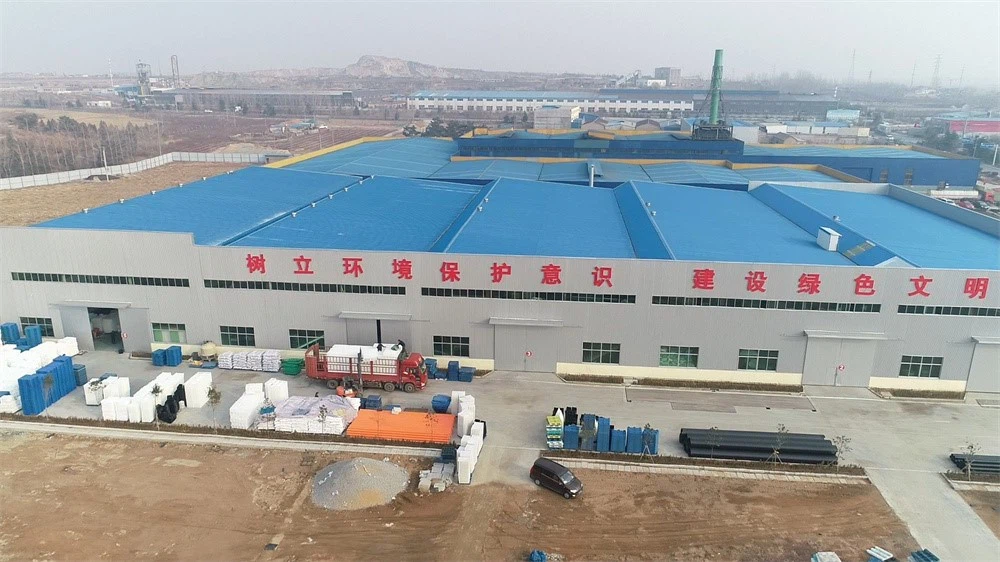
BYPC is a proudly Chinese manufacturer for various kinds of plastic poultry products, plastic crates and plastic pallets and some other specialized products that has been serving the market since 1996. We now have two standardized production plants and have obtained ISO certification, allowing us to provide injection molded plastics, blow molded plastics, rotational molded plastic products. Our standardized production process equipment ensure fast delivery of high-quality products.



Certifications


FAQ
Q: What is a rectangular chicken transport crate?
Q: What are the benefits of using a rectangular chicken transport crate?
Q: What materials are rectangular chicken transport crates made from?
Q: How do I select the right size for my rectangular chicken transport crate?
Q: Can I modify my rectangular chicken transport crate?
Q: What features should I look for when choosing a rectangular chicken transport crate?
Q: Are there any alternatives to rectangular chicken transport crates?
Q: How do I maintain my rectangular chicken transport crate?
Q: What is the maximum weight capacity for a typical rectangular chicken transport crate?
Q: Can I use my rectangular chicken transport crate for other animals besides chickens?
Q: How do I dispose of an old or damaged rectangular chicken transport crate?
Q: What is the difference between a live-haul crate and a slaughterhouse crate in chicken transport?
Q: Can I modify my rectangular chicken transport crate with additional features like built-in feeders or waterers?
Q: How do I ensure proper ventilation in my rectangular chicken transport crate?
Q: What is the best way to load and unload chickens into a rectangular chicken transport crate?
Q: Can I use my rectangular chicken transport crate in extreme weather conditions?
Q: Are there any alternatives to Rectangular Chicken Transport Crates?
Q: Are there any ongoing research or developments in rectangular chicken transport crate technology to improve efficiency or welfare outcomes?
Q: Can rectangular chicken transport crates be used for temporary housing or confinement of chickens?
Q: How do rectangular chicken transport crates compare to other poultry transport containers in terms of durability and functionality?
We're professional rectangular chicken transport crate manufacturers and suppliers in China, specialized in providing high quality customized service. We warmly welcome you to wholesale cheap rectangular chicken transport crate in stock here and get free sample from our factory. Good service and low price are available.
Plastic Live Poultry Transport Cage, Plastic Poultry Crate for Live Chicken, Hinged Door Plastic Chicken Crate