


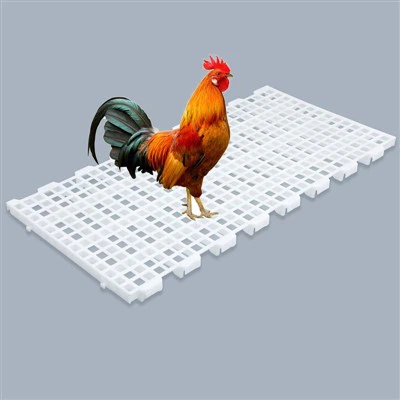


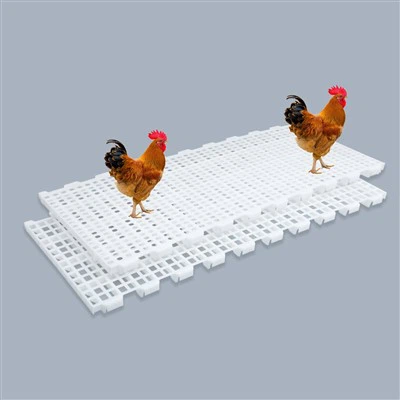
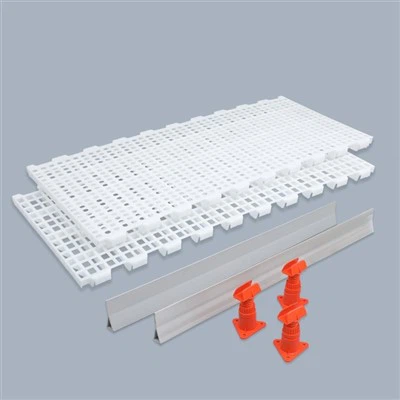
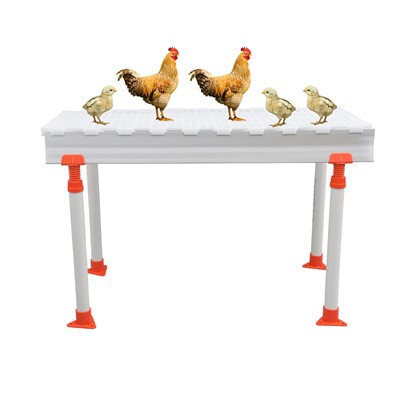


A chicken slat, also known as a poultry slat, is a specialized flooring system used in poultry housing to provide a raised platform for chickens to stand, rest, and move around. Typically made of durable materials such as plastic, fiberglass, or concrete, chicken slats are designed with openings or gaps to allow droppings and waste to fall through, promoting cleanliness and hygiene within the poultry house. The raised design of chicken slats helps to keep the birds above ground level, reducing contact with waste and minimizing the spread of diseases. Chicken slats also provide a comfortable and stable surface for chickens to walk on, supporting their overall health and well-being. Additionally, chicken slats are easy to clean and sanitize, contributing to efficient waste management and maintenance of a clean and hygienic environment in poultry housing systems. chicken slats play a crucial role in promoting the health, welfare, and productivity of poultry flocks in commercial poultry farming operations.
Advantages of Chicken Slat
Improved hygiene
Chicken slats provide a raised platform for chickens to stand on, keeping them above ground level and away from droppings and waste. This helps minimize contact between the birds and waste material, reducing the risk of disease transmission and promoting overall hygiene within the poultry house.
Efficient waste management
The design of chicken slats allows droppings and waste to fall through the openings or gaps in the slats, preventing buildup on the floor and facilitating easy removal and disposal of waste. This promotes efficient waste management and helps maintain a clean and sanitary environment in the poultry house.
Comfortable and dry surface
Chicken slats provide a comfortable and dry surface for chickens to walk on, reducing the risk of foot injuries and promoting overall comfort and well-being. The raised design of the slats also helps prevent wet and muddy conditions, further enhancing comfort for the birds.
Ease of cleaning
Chicken slats are easy to clean and sanitize, as droppings and waste can be easily removed through the openings or gaps in the slats. This simplifies the cleaning process and reduces the time and labor required for maintenance of the poultry house.
Why Choose US
Professional team
Our professional team collaborate and communicate effectively with one another, and are committed to delivering high-quality results. They are capable of handling complex challenges and projects that require their specialized expertise and experience.
Innovation
We are dedicated to improving our systems continually, ensuring that the technology we offer is always cutting edge.
One stop solution
We can offer a range of services, from consultation and advice to product design and delivery. It is a convenience for the customers, as they can get all the help they need in one place.
24h online service
We try and respond to all concerns within 24 hours and our teams are always at your disposal in case of any emergencies.
Materials Used in Chicken Slat
Chicken slats are typically made from durable materials that can withstand the harsh environment of poultry houses while providing a comfortable and sanitary surface for chickens to stand on. Common materials used to make chicken slats include:
Plastic
High-density polyethylene (HDPE) and polypropylene (PP) are commonly used plastics for making chicken slats. Plastic slats are lightweight, easy to clean, resistant to corrosion and moisture, and provide a comfortable surface for chickens to walk on.
Fiberglass
Fiberglass-reinforced plastic (FRP) is another popular material for chicken slats. FRP slats are durable, corrosion-resistant, and provide excellent traction for chickens. They are also easy to clean and maintain.
Concrete
Concrete slats are sturdy and long-lasting, making them suitable for heavy-duty applications in poultry houses. They provide a stable surface for chickens to walk on and are resistant to wear and tear.
Metal
Galvanized steel or aluminum slats are sometimes used for chicken flooring, especially in commercial poultry operations. Metal slats are strong, durable, and resistant to corrosion, but they can be more expensive than other materials.
Composite materials
Some chicken slats are made from composite materials that combine the advantages of different materials. For example, a composite slat may consist of a plastic base with metal reinforcement for added strength and durability.
Is There Different Chicken Slat Size
These slats come in a variety of dimensions to accommodate different poultry housing setups, bird sizes, and farm preferences. The sizes of chicken slats can vary in terms of width, length, thickness, and opening size. In terms of width, chicken slats can range from narrower options, typically around 12 inches wide, suitable for smaller poultry houses or cages with limited space, to wider slats, reaching up to 24 inches or more, providing ample room for larger birds or more spacious housing configurations. Lengthwise, chicken slats can be customized to fit the specific dimensions of the poultry house or cage system. They may be available in standard lengths or cut to size according to the layout requirements of the farm. Thickness is another variable aspect of chicken slats. Thicker slats are often preferred for heavier birds or areas of high traffic within the poultry house, offering enhanced durability and support. Conversely, thinner slats may be suitable for lighter-weight birds or areas with lower foot traffic.
The size of the openings or gaps in the slats can also differ. Larger openings allow for better airflow and waste drainage, aiding in maintaining a clean and hygienic environment. However, smaller openings offer more stability for the birds' feet, particularly for younger or smaller poultry. the availability of different chicken slat sizes enables poultry farmers to select the most suitable options based on factors such as the size and age of their birds, the layout of their housing systems, and their specific management practices. This variety ensures flexibility and customization in poultry farming operations, ultimately contributing to the welfare and productivity of the flock.


Can Chicken Slats Withstand the Weight of Adult Chickens
Chicken slats are designed to withstand the weight of adult chickens. These slats are constructed from durable materials such as plastic, fiberglass, concrete, or metal, which have the strength and resilience to support the weight of fully grown poultry.
Chicken slats to meet specific weight-bearing requirements, ensuring they can accommodate the weight of adult chickens without sagging or breaking. Additionally, the thickness and design of the slats contribute to their structural integrity, providing stability and support for the birds.
Chicken slats are commonly used in poultry housing systems to provide a raised platform for chickens to stand, walk, and rest comfortably. They are designed to distribute the weight of the birds evenly across the surface, minimizing stress on individual slats and preventing damage or failure.
Proper installation and maintenance of chicken slats are essential to ensure their long-term durability and performance. Regular inspection, cleaning, and repair of any damaged or worn slats help maintain their structural integrity and ensure they continue to support the weight of adult chickens effectively. chicken slats are engineered to withstand the weight of adult chickens and provide a stable and comfortable surface for them to move around on within the poultry house. Their strength and durability contribute to the overall health, welfare, and productivity of the poultry flock.
How Often Should I Replace My Chicken Slats
The frequency of replacing chicken slats depends on various factors, including the material of the slats, the level of wear and tear, and the specific conditions within the poultry housing system. Generally, chicken slats are designed to be durable and long-lasting, but regular inspection and maintenance are essential to ensure their continued effectiveness.
In many cases, chicken slats made from materials such as plastic, fiberglass, or concrete can last for several years with proper care and maintenance. However, factors such as heavy use, exposure to harsh environmental conditions, and the presence of corrosive substances can accelerate wear and deterioration.
It's recommended to inspect chicken slats regularly for signs of damage, wear, or degradation. Look for cracks, warping, or sagging in the slats, as well as any areas of corrosion or weakness. If any damage or deterioration is observed, it may be necessary to replace the affected slats promptly to prevent further issues and maintain the integrity of the poultry housing system.
Additionally, consider the age of the slats and the overall condition of the poultry house when determining the need for replacement. As slats age, they may become less effective at providing support and comfort for the birds, warranting replacement to ensure optimal welfare and productivity. However, regular inspection, proactive maintenance, and prompt replacement of damaged or worn slats are essential practices for ensuring the longevity and effectiveness of the poultry housing system. By staying vigilant and addressing any issues promptly, poultry farmers can maximize the lifespan of their chicken slats and provide a safe and comfortable environment for their birds.

How to Install Chicken Slat
Prepare the area
Before installing chicken slats, thoroughly clean and prepare the area where they will be installed. Remove any debris, waste, or obstacles that may interfere with the installation process.
Measure and plan
Measure the dimensions of the poultry house or cage system to determine the size and layout of the chicken slats needed. Consider factors such as the width, length, and spacing of the slats to ensure proper coverage and support for the birds.
Select the right slats
Choose chicken slats made from durable materials such as plastic, fiberglass, or concrete that are suitable for the specific requirements of the poultry housing system. Ensure that the slats are designed to withstand the weight of adult chickens and provide adequate support and comfort.
Install the slats
Begin by laying the first row of chicken slats along one edge of the poultry house or cage system, ensuring they are properly aligned and spaced according to the planned layout. Use appropriate fasteners or connectors to secure the slats in place, ensuring they are firmly anchored and stable.
Continue installing rows
Continue installing additional rows of chicken slats, working your way across the poultry house or cage system until the entire area is covered. Ensure that each row of slats is properly aligned and spaced to provide even support for the birds.
Secure the slats
Once all the chicken slats are installed, secure them in place using additional fasteners or connectors as needed. Ensure that the slats are securely anchored to prevent shifting or movement during use.
Inspect and adjust
After installing the chicken slats, carefully inspect the entire area to ensure that the slats are properly installed and aligned. Make any necessary adjustments or corrections to ensure optimal functionality and safety.
Test for stability
Test the stability and durability of the installed chicken slats by applying pressure and walking across them. Ensure that they can support the weight of adult chickens without sagging or breaking.
Finalize installation
Once you are satisfied with the installation, finalize the process by cleaning up any debris or waste generated during installation and ensuring that the area is safe and ready for use.
How to Clean Chicken Slat
Empty the area: Clear the chicken slats of any debris, waste, or bedding material using a shovel, rake, or broom. Remove all visible dirt, feathers, and droppings from the surface of the slats, ensuring thorough cleaning.
Scrub with detergent: Prepare a cleaning solution using a mild detergent or disinfectant approved for use in poultry facilities and dilute it according to the manufacturer's instructions. Use a scrub brush or broom to scrub the chicken slats thoroughly with the cleaning solution, paying special attention to areas with stubborn stains or buildup.
Rinse with water: After scrubbing the slats with detergent, rinse them thoroughly with clean water to remove any remaining residue and detergent. Use a hose or pressure washer to ensure complete rinsing and to wash away any loosened dirt or debris.
Sanitize: For an extra layer of protection against bacteria and pathogens, sanitize the chicken slats using a disinfectant solution approved for use in poultry facilities. Follow the manufacturer's instructions for dilution and application, and ensure that all surfaces of the slats are treated.
Allow to dry: Allow the chicken slats to air dry completely before returning the chickens to the poultry housing system. Proper drying helps prevent the growth of mold and bacteria and ensures a clean and hygienic environment for the birds.
Inspect for damage: After cleaning, inspect the chicken slats for any signs of damage, wear, or deterioration. Check for cracks, warping, or corrosion, and repair or replace any damaged slats as needed to maintain structural integrity.
Regular maintenance: Implement a regular cleaning schedule for the chicken slats to ensure ongoing hygiene and cleanliness within the poultry housing system. Regular maintenance helps prevent the buildup of dirt, bacteria, and odors, promoting the health and welfare of the poultry flock.
Are Chicken Slats Resistant to Moisture and Corrosion
Chicken slats are typically designed to be resistant to moisture and corrosion, especially when made from certain materials such as plastic, fiberglass, or concrete. Here's how each material typically fares in terms of moisture and corrosion resistance:
Plastic: Chicken slats made from high-density polyethylene (HDPE) or other types of plastic are highly resistant to moisture and corrosion. Plastic slats do not absorb water, making them ideal for use in humid environments or areas prone to spills or moisture buildup. Additionally, plastic slats are resistant to rust and corrosion, ensuring long-term durability even in harsh conditions.
Fiberglass: Fiberglass-reinforced plastic (FRP) chicken slats are also highly resistant to moisture and corrosion. Fiberglass is inherently water-resistant and does not corrode, making it an excellent choice for poultry housing systems where moisture exposure is common. Additionally, fiberglass slats offer excellent strength and durability, providing reliable performance in demanding environments.
Concrete: Concrete chicken slats are resistant to moisture and corrosion, although they may require sealing or coating to enhance their durability and protect against water penetration. Properly sealed concrete slats are highly resistant to moisture and can withstand exposure to water without deteriorating. However, concrete slats may be prone to cracking or chipping over time if not properly maintained.
Chicken slats made from plastic, fiberglass, or concrete are typically resistant to moisture and corrosion, providing reliable performance and durability in poultry housing systems. Proper maintenance and care, such as regular cleaning and inspection, can help extend the lifespan of chicken slats and ensure their continued effectiveness in promoting the health and welfare of the poultry flock.
Are There Any Specific Installation Requirements for Chicken Slats
There are specific installation requirements for chicken slats to ensure their effectiveness and safety within poultry housing systems. Proper installation is crucial for providing a stable and comfortable surface for the birds while facilitating efficient waste management. Here are some key installation requirements:
Support structure
Chicken slats should be installed on a sturdy and level support structure. This may involve laying a concrete base or using support beams to ensure even weight distribution and stability.
Spacing and alignment
Slats should be installed with the correct spacing and alignment to provide adequate support for the birds and allow for proper waste removal. Even spacing prevents gaps or overlaps that could compromise stability or comfort.
Secure attachment
Slats should be securely attached to the support structure using appropriate fasteners or connectors. This ensures that the slats remain firmly in place during use, minimizing the risk of shifting or movement.
Drainage
Proper drainage is essential to allow for the efficient removal of waste and moisture. Slats should be installed with a slight slope to facilitate drainage towards collection points or waste removal systems.
Ventilation
Installation should consider ventilation requirements to ensure adequate airflow within the poultry housing system. Proper ventilation helps regulate temperature and humidity levels, reducing the risk of respiratory issues and promoting overall comfort for the birds.
Accessibility for cleaning
Slats should be installed to allow easy access for cleaning and maintenance. Sufficient clearance around the slats enables cleaning equipment and personnel to reach all areas effectively, promoting cleanliness and hygiene.
How Do Chicken Slats Impact the Comfort and Behavior of Poultry
Comfortable surface: Chicken slats provide a stable and comfortable surface for chickens to stand, walk, and rest on. The smooth and even surface of the slats reduces the risk of foot injuries and discomfort, promoting overall comfort for the birds.
Dry environment: By keeping chickens above ground level, chicken slats help prevent contact with wet or damp bedding material, minimizing the risk of footpad dermatitis and other health issues associated with prolonged exposure to moisture. This contributes to a drier and more comfortable environment for the birds.
Cleanliness and hygiene: Chicken slats facilitate the efficient removal of waste and moisture from the poultry housing system, helping to maintain cleanliness and hygiene. By keeping chickens above the floor, slats reduce the risk of contamination from droppings and bedding material, creating a cleaner and more sanitary environment for the birds.
Reduced stress: The stable and secure footing provided by chicken slats helps reduce stress and anxiety in poultry. Chickens feel more confident and secure when walking and resting on a stable surface, leading to improved welfare and behavior within the flock.
Natural behavior: Chicken slats allow chickens to exhibit natural behaviors such as scratching, pecking, and dust bathing. The elevated surface of the slats encourages chickens to engage in these behaviors, promoting physical activity and mental stimulation.
Improved air quality: By keeping chickens above ground level, chicken slats help improve air quality within the poultry housing system. Proper ventilation beneath the slats facilitates the removal of ammonia and other harmful gases, creating a healthier environment for the birds to breathe.
Are There Any Environmental Benefits Associated with Using Chicken Slats
Waste management: Chicken slats facilitate the efficient removal of waste and moisture from the poultry housing system. By keeping chickens above ground level, slats prevent direct contact with waste material, allowing droppings and moisture to fall through the openings or gaps in the slats. This reduces the accumulation of waste on the floor, minimizing odor, and preventing the buildup of harmful pathogens. Additionally, the collected waste can be more easily managed and disposed of, reducing the environmental impact of poultry farming operations.
Reduced pollution: Proper waste management facilitated by chicken slats helps reduce pollution associated with poultry farming. By minimizing the accumulation of waste on the floor, slats help prevent nutrient runoff and contamination of soil and water sources. This contributes to a cleaner and healthier environment surrounding the poultry farm, reducing the risk of pollution to nearby water bodies and ecosystems.
Improved air quality: Chicken slats help improve air quality within the poultry housing system by promoting better ventilation and airflow. Proper ventilation beneath the slats facilitates the removal of ammonia and other harmful gases produced by poultry waste, reducing the risk of respiratory issues and promoting healthier living conditions for the birds. Improved air quality also benefits farm workers and neighboring communities by reducing exposure to unpleasant odors and harmful emissions.
Resource efficiency: Chicken slats are typically made from durable materials such as plastic, fiberglass, or concrete, which require fewer resources and energy to manufacture compared to traditional flooring materials. Additionally, the longevity and durability of chicken slats help reduce the need for frequent replacement or repair, further conserving resources and minimizing waste generation over time.
How Do Chicken Slats Contribute to the Overall Efficiency of Poultry Production Operations
Improved waste management: Chicken slats facilitate the efficient removal of waste and moisture from the poultry housing system. By keeping chickens above ground level, slats prevent direct contact with waste material, allowing droppings and moisture to fall through the openings or gaps in the slats. This reduces the accumulation of waste on the floor, minimizing odor, and preventing the buildup of harmful pathogens. Improved waste management leads to a cleaner and healthier environment for the birds, reducing the risk of disease transmission and improving overall flock health.
Time and labor savings: Proper waste management facilitated by chicken slats reduces the time and labor required for cleaning and maintenance tasks. With less waste accumulation on the floor, cleaning intervals can be extended, and cleaning procedures can be streamlined. This frees up time and resources that can be allocated to other essential tasks, improving operational efficiency and productivity.
Enhanced air quality: Chicken slats help improve air quality within the poultry housing system by promoting better ventilation and airflow. Proper ventilation beneath the slats facilitates the removal of ammonia and other harmful gases produced by poultry waste, reducing the risk of respiratory issues and promoting healthier living conditions for the birds. Improved air quality also benefits farm workers and neighboring communities by reducing exposure to unpleasant odors and harmful emissions.
Optimized space utilization: Chicken slats create additional usable space within the poultry housing system by providing a raised platform for the birds. This allows for more efficient use of available floor space and enables higher stocking densities without compromising comfort or welfare. Optimized space utilization maximizes production capacity and profitability while ensuring that the birds have adequate space to move around and exhibit natural behaviors.
Longevity and durability: Chicken slats are typically made from durable materials such as plastic, fiberglass, or concrete, which are resistant to wear, corrosion, and damage. This ensures that the slats have a long lifespan and require minimal maintenance over time. The longevity and durability of chicken slats contribute to operational efficiency by reducing the need for frequent replacement or repair, minimizing downtime, and lowering overall maintenance costs.
Our Factory
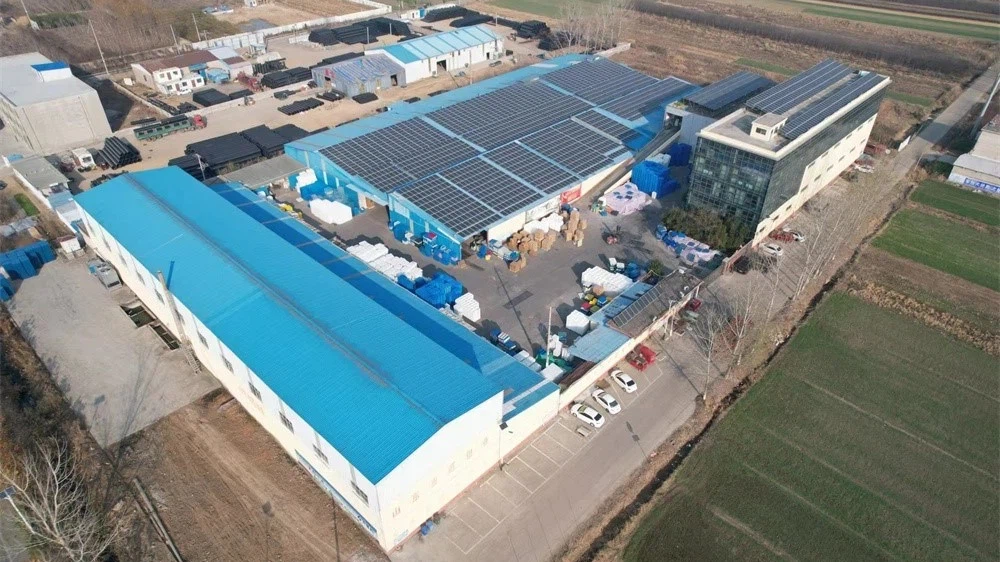
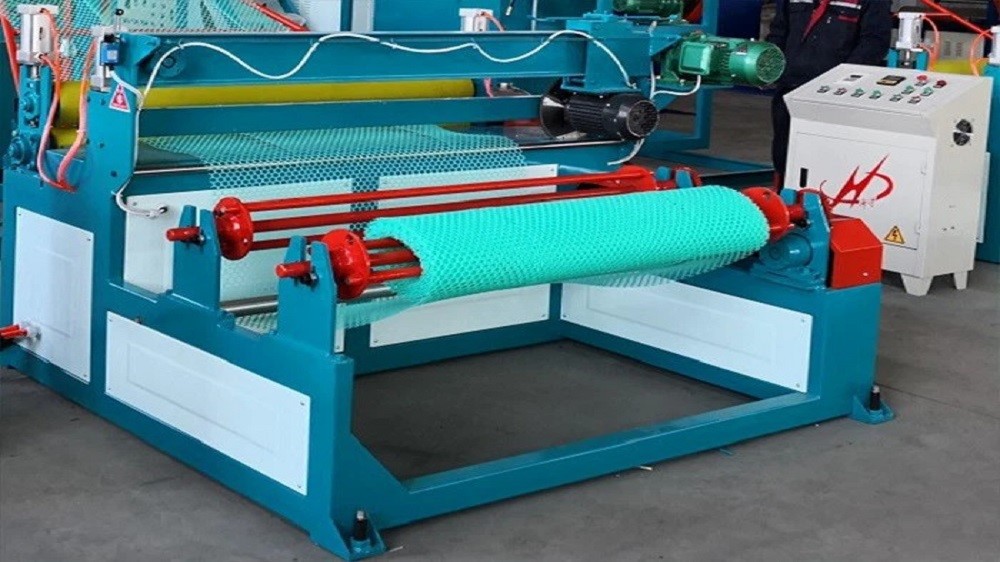
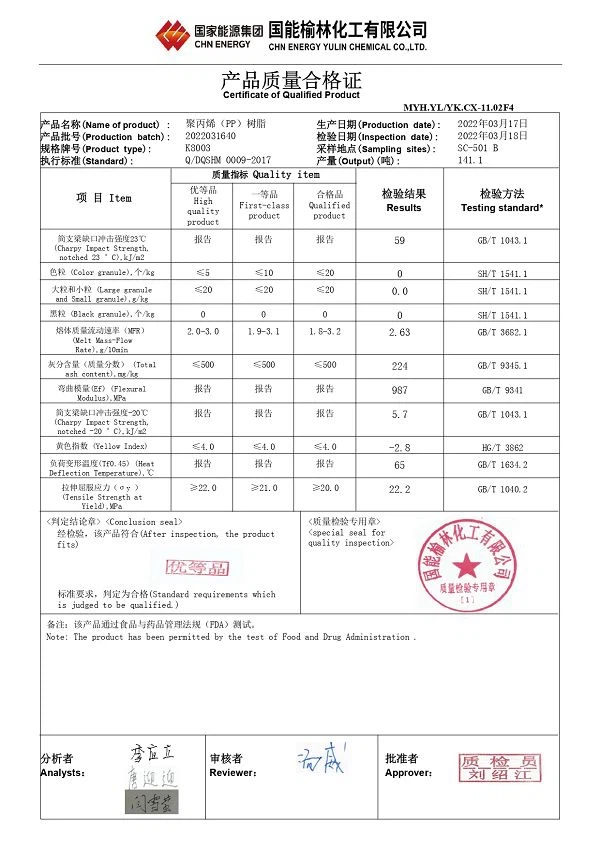
BYPC is a proudly Chinese manufacturer for various kinds of plastic poultry products, plastic crates and plastic pallets and some other specialized products that has been serving the market since 1996. We now have two standardized production plants and have obtained ISO certification, allowing us to provide injection molded plastics, blow molded plastics, rotational molded plastic products. Our standardized production process equipment ensure fast delivery of high-quality products.


Certifications


FAQ
Q: What is a chicken slat?
Q: What are the benefits of using chicken slats?
Q: What materials are chicken slats made from?
Q: How do I install chicken slats?
Q: How often should I replace my chicken slats?
Q: Can I use my chicken slats outdoors?
Q: How do I clean my chicken slats?
Q: What size should my chicken slats be?
Q: Can I modify my chicken slats?
Q: What features should I look for when choosing chicken slats?
Q: Are there any alternatives to chicken slats?
Q: How much does it cost to install chicken slats?
Q: Can I use my chicken slats for ducks or other birds?
Q: How do I dispose of old chicken slats?
Q: What is the difference between solid and mesh chicken slats?
Q: How do I prevent mold and mildew on my chicken slats?
Q: Can I use my chicken slats in a commercial poultry operation?
Q: What is the best way to store my chicken slats when they are not in use?
Q: Can I use my chicken slats for other animals besides chickens?
Q: What is the lifespan of a typical chicken slat?
We're professional chicken slat manufacturers and suppliers in China, specialized in providing high quality customized service. We warmly welcome you to wholesale cheap chicken slat in stock here and get free sample from our factory. Good service and low price are available.
Chicken Slat, Poultry Slat Flooring, Plastic Slatted Floor for Poultry Farming