


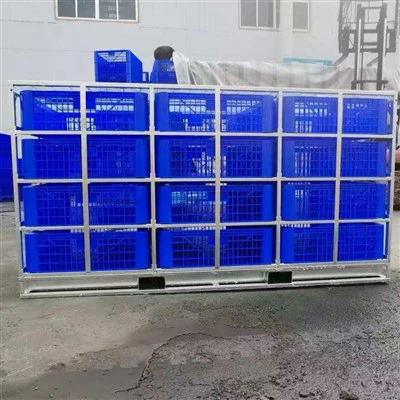


A poultry transport crate is a specialized container designed for the safe and efficient transportation of poultry, typically chickens, turkeys, ducks, or other fowl. These crates are constructed with sturdy materials such as plastic or metal to withstand the rigors of transportation while providing adequate ventilation and protection for the birds inside. The design of poultry transport crates prioritizes the welfare of the birds, ensuring they are transported in a manner that minimizes stress and discomfort. Ventilation holes or slats are strategically placed to allow for proper airflow, preventing overheating and ensuring the birds have access to fresh air throughout the journey. poultry transport crates are often equipped with features such as secure locking mechanisms and ergonomic handles to facilitate easy handling and transportation by farm workers or logistics personnel. Some crates may also include partitions or dividers to prevent overcrowding and ensure each bird has sufficient space during transit.
Advantages of Poultry Transport Crate
Safety and protection
Poultry transport crates provide a secure and enclosed environment for birds during transportation, protecting them from injuries and reducing the risk of escape.
Minimized stress
Properly designed crates help minimize stress on the birds by providing adequate ventilation, space, and comfort during transit. Reduced stress levels contribute to better bird welfare and overall health.
Efficient handling
Poultry transport crates are typically designed with ergonomic features such as handles and locking mechanisms, making them easy to handle and transport for farm workers and logistics personnel. This facilitates efficient loading, unloading, and transportation of birds.
Optimized logistics
Standardized poultry transport crates enable efficient stacking and storage, maximizing space utilization in transportation vehicles such as trucks or trailers. This optimization helps reduce transportation costs and improves overall logistics efficiency.
Why Choose US
Professional team
Our professional team collaborate and communicate effectively with one another, and are committed to delivering high-quality results. They are capable of handling complex challenges and projects that require their specialized expertise and experience.
Innovation
We are dedicated to improving our systems continually, ensuring that the technology we offer is always cutting edge.
One stop solution
We can offer a range of services, from consultation and advice to product design and delivery. It is a convenience for the customers, as they can get all the help they need in one place.
24h online service
We try and respond to all concerns within 24 hours and our teams are always at your disposal in case of any emergencies.
What Materials Are Commonly Used to Manufacture Poultry Transport Crates
Plastic is one of the most commonly used materials for poultry transport crates. High-density polyethylene (HDPE) and polypropylene (PP) are popular choices due to their durability, lightweight nature, and resistance to corrosion and chemicals. Plastic crates are easy to clean, reusable, and often feature ventilation holes or slats for airflow.
Wood was traditionally used for poultry transport crates, although it has become less common due to concerns about cleanliness and durability. However, wood is still used in some cases, particularly for specialized or customized crates. Wooden crates may require more maintenance and are less resistant to moisture and bacteria compared to plastic or metal crates.
Cardboard or fiberboard is used to manufacture disposable poultry transport crates. These crates are lightweight, inexpensive, and biodegradable, making them suitable for short-distance transportation or one-time use. Cardboard crates are not as durable as plastic or metal crates and may not provide as much protection for the birds.
Some poultry transport crates are made from composite materials, which combine different materials to take advantage of their respective properties. For example, a crate may have a plastic base with metal reinforcements for added strength, or a composite material that incorporates recycled plastics for sustainability.
Fabric or mesh materials are sometimes used in poultry transport crates, particularly for crates designed for smaller birds or specialized purposes. These materials provide ventilation and visibility while still offering some protection for the birds during transportation.

The dimensions of a typical poultry transport crate can vary depending on several factors, including the size and species of the poultry being transported, as well as the specific requirements of the poultry operation or transportation logistics. However, here are some general dimensions for a standard poultry transport crate commonly used in the industry:
- Length: 24 to 36 inches (61 to 91 centimeters)
- Width: 18 to 24 inches (46 to 61 centimeters)
- Height: 12 to 18 inches (30 to 46 centimeters)
These dimensions provide enough space for the birds to stand, sit, and move comfortably during transportation while ensuring efficient stacking and storage in transportation vehicles such as trucks or trailers. Additionally, the crate may feature ventilation holes, slats, or mesh panels to allow for proper airflow and ventilation for the birds inside.
Stackable crates offer several advantages in terms of storage, transportation, and logistics efficiency. By stacking crates vertically, you can maximize the use of available space in transportation vehicles such as trucks or trailers, as well as in storage areas.
Stackable poultry transport crates typically feature features such as:
Interlocking design: Crates may have interlocking features that allow them to securely stack on top of each other without sliding or shifting during transportation.
Nested or foldable design: Some crates are designed to nest or fold when not in use, allowing them to stack more compactly and save space during storage and transportation.
Sturdy construction: Stackable crates are usually made of durable materials such as plastic or metal to withstand the weight of stacked crates without collapsing or deforming.
Even weight distribution: Crates are designed to distribute weight evenly when stacked, minimizing the risk of instability or toppling.
Stackable poultry transport crates offer convenience and efficiency, particularly in large-scale poultry operations where a significant number of crates are used for transporting birds between facilities or to market. However, it's important to ensure that crates are stacked safely and securely to prevent damage to the crates or injury to the birds during transportation.

How Is Ventilation Provided in Poultry Transport Crates
Ventilation in poultry transport crates is crucial for maintaining adequate airflow and temperature regulation to ensure the health and welfare of the birds during transportation. There are several ways ventilation is provided in poultry transport crates:
Ventilation holes or slots
Many poultry crates are designed with small holes or slots along the sides, top, or bottom of the crate to allow air to flow in and out. These holes or slots are strategically placed to ensure proper ventilation without compromising the structural integrity of the crate.
Mesh panels
Some crates feature mesh panels made of wire or plastic mesh material. These panels allow air to circulate through the crate while providing protection for the birds inside. Mesh panels are often located on the sides or top of the crate.
Slatted floors
Poultry transport crates may have slatted floors made of plastic or metal, with gaps between the slats to allow for airflow. Slatted floors also help prevent the accumulation of moisture and waste in the bottom of the crate.
Adjustable ventilation
Certain crates may have adjustable ventilation features, such as sliding panels or flaps, that allow the user to control the amount of airflow into the crate. This can be useful for regulating temperature and airflow based on environmental conditions during transportation.
Integrated ventilation systems
Some advanced poultry transport crates may come equipped with integrated ventilation systems, such as fans or vents, to enhance airflow and temperature control. These systems may be battery-operated or powered by an external power source.
Features of Poultry Transport Crate
Poultry transport crates are designed with a variety of features to ensure the safe, comfortable, and efficient transportation of poultry. These crates typically employ durable materials such as plastic, metal, or composite materials to provide protection and withstand the rigors of transportation. One of the key features of poultry transport crates is ventilation, which is essential for maintaining proper airflow and regulating temperature inside the crate. This ventilation is often achieved through strategically placed holes, slats, or mesh panels, ensuring adequate airflow without compromising structural integrity. Additionally, poultry transport crates are equipped with ergonomic handles for easy lifting and handling, as well as secure locking mechanisms to prevent accidental opening during transit. Many crates are designed to be stackable, optimizing space utilization in transportation vehicles and storage areas. Some crates also feature nesting or foldable designs for compact storage when not in use. Easy-to-clean surfaces are another important feature, helping maintain hygiene standards and prevent the spread of diseases between poultry batches. Furthermore, customization options such as adjustable partitions or removable dividers allow crates to accommodate different bird sizes and transportation requirements. poultry transport crates are carefully engineered with a range of features to ensure compliance with regulations, promote bird welfare, and contribute to the smooth operation of the poultry supply chain.
What Is the Transportation Process of Poultry Transport Boxes
Preparation of crates
Before transporting poultry, the transport crates need to be cleaned and sanitized to ensure hygiene and prevent the spread of diseases. Any debris, waste, or residues from previous uses should be removed, and the crates should be thoroughly washed and disinfected using appropriate cleaning agents.
Inspection of crates
After cleaning, the crates should be inspected for any damage or defects that could compromise their integrity during transportation. This includes checking for cracks, broken parts, or missing components such as ventilation holes or locking mechanisms. Any damaged crates should be repaired or replaced as needed to ensure the safety of the poultry.
Loading of poultry
Once the crates are cleaned and inspected, they are ready to be loaded with poultry. The birds should be handled carefully and gently to minimize stress and avoid injuries. Depending on the size and species of the poultry, they may be loaded into the crates individually or in groups. It's essential to ensure that the crates are not overcrowded and that each bird has sufficient space to stand, sit, and move comfortably during transportation.
Securing of crates
After loading the poultry, the crates should be securely closed and locked to prevent accidental opening during transit. This may involve using latches, clips, or other locking mechanisms to ensure that the crates remain sealed throughout the journey.
Transportation
Once loaded and secured, the crates are transported to their destination. This may involve transporting them by truck, trailer, or other means of transportation depending on the distance and logistics involved. During transportation, it's essential to ensure that the crates are handled carefully to avoid jostling or shaking the birds inside.
Monitoring
Throughout the transportation process, it's important to monitor the condition of the poultry and ensure that they are not experiencing any undue stress or discomfort. This may involve checking the temperature inside the transport vehicle, ensuring adequate ventilation, and making any necessary adjustments to optimize conditions for the birds.
Unloading
Upon reaching the destination, the poultry transport crates are unloaded from the transport vehicle. Care should be taken during unloading to ensure that the crates are handled gently and that the birds are not injured in the process.
Cleaning and maintenance
After unloading the poultry, the transport crates should be cleaned and sanitized once again to prepare them for future use. Any debris or waste from the journey should be removed, and the crates should be inspected for any damage or defects that may have occurred during transportation. Any damaged crates should be repaired or replaced as needed to ensure their continued safety and effectiveness.
What Are the Weight Restrictions for Poultry Transport Crates
Structural integrity
Poultry transport crates are designed to withstand the weight of the birds inside as well as any external forces encountered during transportation, such as stacking or handling. The crate's construction materials and design should be able to support the weight of the birds without collapsing or deforming.
Regulatory requirements
Some regions or countries may have regulations or guidelines specifying maximum weight limits for poultry transport crates to ensure the safety and welfare of the birds during transportation. These regulations may vary depending on factors such as the type of poultry being transported, the distance of transportation, and the mode of transportation.
Optimal loading
Even if there are no specific weight restrictions mandated by regulations, it's essential to consider the optimal loading capacity of poultry transport crates to ensure the well-being of the birds. Overcrowding or exceeding the weight capacity of the crates can lead to increased stress, injuries, and reduced ventilation for the birds, negatively impacting their health and welfare.
Consideration of bird size
The weight restrictions for poultry transport crates may also depend on the size and species of the birds being transported. Larger birds may require larger and more robust crates to accommodate their size and weight effectively.
The Production Process of Poultry Transport Crate
The production process begins with the selection of suitable materials for manufacturing poultry transport crates. Common materials include plastic (such as high-density polyethylene or polypropylene), metal (such as stainless steel or aluminum), wood, or composite materials. The choice of material depends on factors such as durability, weight, cost, and specific requirements of the poultry industry.
Molding or fabrication
Once the materials are selected, they are processed through molding or fabrication techniques to create the components of the poultry transport crate. For plastic crates, this may involve injection molding or thermoforming processes to shape the plastic into the desired crate components. Metal crates may be fabricated using cutting, bending, and welding techniques to form the crate structure.
Assembly
The components of the poultry transport crate are assembled according to the crate's design specifications. This may involve attaching handles, hinges, locking mechanisms, and other accessories to the crate components. Assembly may be done manually or using automated assembly equipment depending on the production volume and complexity of the crates.
Quality control
Throughout the production process, quality control measures are implemented to ensure that the crates meet the required standards for strength, durability, and functionality. This may involve inspection of materials, dimensional checks of components, testing of mechanical features, and other quality assurance procedures.
Cleaning and finishing
Once assembled, the poultry transport crates may undergo cleaning and finishing processes to remove any manufacturing residues, debris, or contaminants. This ensures that the crates are clean and ready for use in transporting poultry without compromising hygiene or animal welfare.
Packaging and shipping
After passing quality control checks and finishing processes, the poultry transport crates are packaged for shipping to customers. Packaging may involve stacking or nesting crates to optimize space efficiency during transportation. Crates are then shipped to poultry farms, processing plants, distribution centers, or other customers in the poultry industry.
How to Use Poultry Transport Crate
Before loading poultry into the crate, ensure that the crate is clean, sanitized, and free of any debris or contaminants. Check the crate for any damage or defects that could compromise its structural integrity during transportation. If necessary, repair or replace damaged components.
Ventilation
Ensure that the crate provides adequate ventilation for the poultry inside. Check for ventilation holes, slats, or mesh panels and ensure they are clear and unobstructed. Proper ventilation is crucial for maintaining airflow and regulating temperature inside the crate during transportation.
Loading
Carefully load the poultry into the crate, taking care to handle them gently and minimize stress. Depending on the size and species of the poultry, they may be loaded individually or in groups. Avoid overcrowding the crate and ensure that each bird has sufficient space to stand, sit, and move comfortably.
Securing
Once the poultry are loaded into the crate, securely close and latch the crate to prevent accidental opening during transportation. Ensure that all locking mechanisms are properly engaged to keep the crate securely sealed.
Handling
When handling the loaded crate, use proper lifting techniques and avoid jostling or shaking the crate excessively. This helps minimize stress and discomfort for the poultry inside and reduces the risk of injury.
Transportation
Transport the loaded crate to its destination using suitable transportation vehicles such as trucks or trailers. During transportation, ensure that the crate is securely placed and properly secured to prevent tipping or shifting. Monitor the condition of the poultry and ensure that ventilation and temperature are maintained at appropriate levels.
Unloading
Upon reaching the destination, carefully unload the poultry from the crate. Handle the crate gently to avoid startling or injuring the birds inside. Provide a suitable environment for the poultry to acclimate after transportation, such as a clean and well-ventilated holding area.

Poultry transport crates find extensive application across various sectors within the poultry industry. These crates are primarily utilized to facilitate the safe and efficient transportation of live poultry from one location to another. They serve numerous purposes, including transporting birds between farms, delivering them to processing plants, distributing them to markets, and even aiding in international trade. Moreover, poultry transport crates are instrumental in transporting birds for exhibitions, competitions, research purposes, and educational endeavors. In times of emergencies such as natural disasters or disease outbreaks, these crates are crucial for evacuating birds to safer locations swiftly. Their versatile application extends to facilitating international trade, complying with animal welfare regulations, and supporting research and educational initiatives. poultry transport crates are indispensable tools in the poultry industry, ensuring the welfare, safety, and seamless movement of live birds throughout the poultry supply chain.
How to Clean Poultry Transport Crate
Remove debris
Start by removing any bedding, feathers, or organic debris from the crate. Use a broom or brush to sweep out loose particles, and dispose of them properly according to biosecurity protocols.
Pre-rinse
Use a high-pressure hose or power washer to pre-rinse the crate thoroughly, removing any remaining debris and loosening stubborn dirt or stains.
Apply detergent or disinfectant
Apply a suitable detergent or disinfectant solution to the crate surfaces, including the interior, exterior, and all components such as handles, latches, and ventilation holes. Ensure that the detergent or disinfectant is approved for use in poultry facilities and follows recommended dilution rates.
Scrubbing
Use scrub brushes or sponges to scrub the crate surfaces, paying particular attention to areas with stubborn dirt, stains, or residues. Scrub all surfaces thoroughly to remove any organic matter and disinfect the crate effectively.
Rinse
After scrubbing, rinse the crate thoroughly with clean water to remove any remaining detergent or disinfectant residue. Ensure that all surfaces are rinsed properly, including hard-to-reach areas such as corners and crevices.
Sanitize
Apply a sanitizing solution to the crate surfaces to kill any remaining bacteria or pathogens. Follow the manufacturer's instructions for proper application and contact time to ensure effective sanitization.
Final rinse
Give the crate a final rinse with clean water to remove any traces of sanitizer and ensure that the crate is clean and safe for use.
Drying
Allow the crate to air dry completely before stacking or storing to prevent the growth of mold or bacteria. Ensure that the crate is dried thoroughly, both inside and out, before returning it to service.
What You Should Know When Use Poultry Transport Crate
Cleanliness
Always start with clean and sanitized crates to prevent the spread of diseases between flocks. Regular cleaning and disinfection of crates are essential to maintain hygiene standards and ensure the health of the birds.
Proper ventilation
Ensure that the crates provide adequate ventilation to maintain airflow and regulate temperature during transportation. Proper ventilation helps prevent heat stress and ensures the well-being of the birds inside the crates.
Loading density
Avoid overcrowding the crates and ensure that each bird has sufficient space to stand, sit, and move comfortably. Overcrowding can lead to increased stress, injuries, and reduced ventilation for the birds, negatively impacting their health and welfare.
Secure closure
Always securely close and latch the crates to prevent accidental opening during transportation. Ensure that all locking mechanisms are properly engaged to keep the crate securely sealed and prevent escape or injury to the birds.
Gentle handling
Handle the crates and birds with care to minimize stress and avoid injuries during loading, transportation, and unloading. Use proper lifting techniques and avoid jostling or shaking the crates excessively.
Monitoring
Monitor the condition of the birds and the environment inside the crates during transportation. Check for signs of distress, overheating, or other issues, and make any necessary adjustments to optimize conditions for the birds.
Emergency preparedness
Be prepared to respond to emergencies such as accidents, breakdowns, or extreme weather conditions during transportation. Have contingency plans in place to address emergencies and ensure the safety and well-being of the birds.
Cleaning and maintenance
After transportation, clean and sanitize the crates thoroughly to prepare them for future use. Inspect the crates for any damage or defects that may need repair or replacement before the next use.
Our Factory
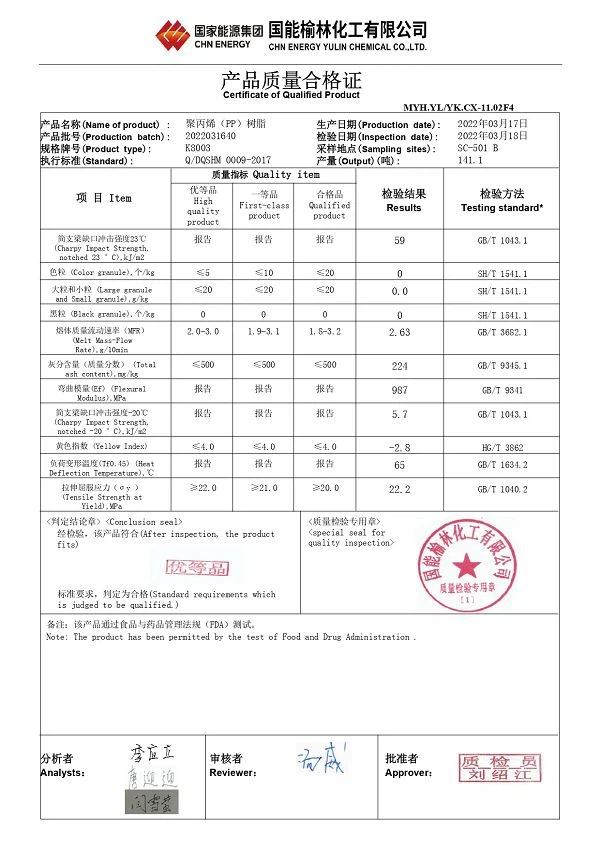
BYPC is a proudly Chinese manufacturer for various kinds of plastic poultry products, plastic crates and plastic pallets and some other specialized products that has been serving the market since 1996. We now have two standardized production plants and have obtained ISO certification, allowing us to provide injection molded plastics, blow molded plastics, rotational molded plastic products. Our standardized production process equipment ensure fast delivery of high-quality products.


Certifications


FAQ
Q: What is a poultry transport crate?
Q: Why is it important to use a transport crate for poultry?
Q: What are the different types of poultry transport crates?
Q: How do I choose the right size of poultry transport crate?
Q: What are the benefits of using a ventilated poultry transport crate?
Q: Can poultry transport crates be used for other animals?
Q: How do I clean and disinfect my poultry transport crate?
Q: How often should I replace my poultry transport crate?
Q: Are there any regulations regarding the use of poultry transport crates?
Q: Can I modify my poultry transport crate to better suit my needs?
Q: How many birds can I transport in one crate?
Q: What should I do if a bird becomes injured or sick during transport?
Q: How do I properly load and unload my poultry transport crate?
Q: Can I transport eggs in my poultry transport crate?
Q: How do I ensure the safety of my birds during transit?
Q: What should I do if I encounter a problem during transit?
Q: Can I use a poultry transport crate for breeding purposes?
Q: How do I properly store my poultry transport crate when not in use?
Q: Can I paint or stain my poultry transport crate?
Q: What should I do if my poultry transport crate gets wet?
We're professional poultry transport crate manufacturers and suppliers in China, specialized in providing high quality customized service. We warmly welcome you to wholesale cheap poultry transport crate in stock here and get free sample from our factory. Good service and low price are available.