


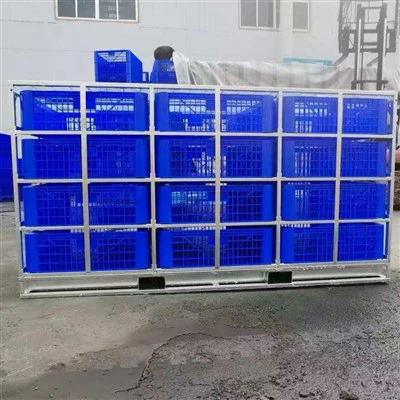


The primary purpose of a chicken cage drawer is to collect droppings, feathers, and other waste materials that accumulate from the chickens housed above. By sliding out the drawer, farmers or poultry workers can easily access and remove the accumulated waste, promoting cleanliness and hygiene within the chicken coop or cage. the chicken cage drawer facilitates the disposal or recycling of the collected waste material, which may be used as fertilizer or disposed of in an environmentally responsible manner. Regular cleaning and maintenance of the drawer help to minimize odors, reduce the risk of disease transmission, and create a healthier living environment for the chickens. Chicken cage drawers also play a role in monitoring the health and well-being of the birds. By inspecting the droppings collected in the drawer, farmers can assess the overall health of the flock and identify any signs of illness or nutritional deficiencies that may require attention.
Advantages Of Chicken Cage Drawer
Improved hygiene
By collecting droppings and waste material underneath the chicken cages, the drawer helps maintain a cleaner and more hygienic environment within the poultry housing. This reduces the risk of disease transmission and helps promote better overall health for the chickens.
Ease of cleaning
The sliding drawer design makes it easy to access and remove accumulated waste, simplifying the cleaning process for poultry farmers. This saves time and effort compared to traditional methods of waste removal.
Reduced odor
By promptly removing waste from the chicken cages, the drawer helps minimize unpleasant odors associated with poultry farming. This creates a more pleasant working environment for farmers and reduces nuisance odors for nearby residents.
Prevention of floor contamination
By containing droppings and waste within the drawer, the chicken cage drawer helps prevent contamination of the poultry house floor. This reduces the risk of bacterial growth, ammonia buildup, and other health hazards associated with dirty floors.
Why Choose US
Professional team
Our professional team collaborate and communicate effectively with one another, and are committed to delivering high-quality results. They are capable of handling complex challenges and projects that require their specialized expertise and experience.
Innovation
We are dedicated to improving our systems continually, ensuring that the technology we offer is always cutting edge.
One stop solution
We can offer a range of services, from consultation and advice to product design and delivery. It is a convenience for the customers, as they can get all the help they need in one place.
24h online service
We try and respond to all concerns within 24 hours and our teams are always at your disposal in case of any emergencies.

Waste collection: In traditional chicken cage setups, waste typically falls directly onto the floor of the poultry house or onto trays situated underneath the cages. These trays need to be manually removed for waste disposal. In contrast, a chicken cage drawer is a sliding tray or compartment located underneath the cages specifically designed to collect droppings and waste materials. The drawer can be easily slid out for efficient waste removal and cleaning.
Hygiene and cleanliness: With a chicken cage drawer, waste is contained within the drawer, minimizing floor contamination and reducing the spread of pathogens. This helps maintain a cleaner and more hygienic environment within the poultry house compared to traditional setups where waste may accumulate on the floor or in trays, requiring more frequent cleaning.
Odor control: Because waste is promptly removed from the chicken cage area via the drawer, there is often less odor associated with poultry farming compared to traditional setups where waste may linger on the floor or in trays. The containment of waste within the drawer helps mitigate unpleasant odors, creating a more comfortable working environment for farmers and reducing nuisance odors for nearby residents.
Labor efficiency: Chicken cage drawers can streamline the waste management process, saving time and labor for poultry farmers. The sliding drawer design makes it easier to access and remove waste, reducing the manual labor required for cleaning compared to traditional setups where trays may need to be lifted and emptied manually.
The chicken cage drawer is an integral component in modern poultry farming setups, boasting several key features designed to optimize waste management and maintain cleanliness within the poultry housing environment. its sliding design facilitates effortless access, allowing farmers to efficiently remove accumulated waste with minimal effort. Constructed from durable materials such as plastic or metal, these drawers ensure longevity and withstand the rigors of poultry farming. Their smooth surfaces not only simplify cleaning procedures but also contribute to enhanced hygiene standards by minimizing the accumulation of bacteria and pathogens. Additionally, ventilation openings or slats are often integrated into the design to promote airflow, reducing moisture buildup and preventing mold and bacterial growth.
Integrated handles or grips further enhance usability, enabling farmers to maneuver the drawer easily for waste disposal. Moreover, the customizable nature of these drawers ensures compatibility with various poultry housing systems and flock sizes, offering flexibility to meet diverse farm requirements. Some models also incorporate features for odor control, such as specialized coatings or odor-absorbing materials, which help mitigate unpleasant odors associated with poultry waste. Overall, the chicken cage drawer represents a practical and efficient solution for waste management in poultry farming, embodying features that prioritize cleanliness, hygiene, and operational convenience.

Materials Used in Chicken Cage Drawer
Plastic
High-density polyethylene (HDPE) or polypropylene (PP) plastics are frequently used due to their durability, resistance to corrosion, and ease of cleaning. These plastics are also lightweight, making them easy to handle and maneuver.
Metal
Stainless steel or galvanized steel are popular choices for chicken cage drawers due to their strength, corrosion resistance, and longevity. Metal drawers are robust and can withstand heavy use, making them suitable for commercial poultry farming operations.
Fiberglass
Fiberglass-reinforced plastic (FRP) is another option for chicken cage drawers. FRP is lightweight, durable, and resistant to corrosion, making it suitable for use in humid and corrosive environments such as poultry houses.
Composite materials
Some chicken cage drawers may be made from composite materials that combine the advantages of different materials. For example, a composite material may consist of a plastic base with metal reinforcement for added strength.
Coatings
In addition to the base material, chicken cage drawers may also feature coatings or finishes that enhance durability, facilitate cleaning, and provide additional protection against corrosion and bacterial growth. These coatings may include epoxy coatings, antimicrobial coatings, or non-stick finishes.
The Manufacturing Process of Chicken Cage Drawer
Material selection: The process begins with selecting the appropriate material for the chicken cage drawers. Common materials include plastic (such as high-density polyethylene or polypropylene), metal (such as stainless steel or galvanized steel), fiberglass-reinforced plastic (FRP), or composite materials.
Material preparation: Depending on the chosen material, it may undergo various preparation steps such as cutting, molding, or shaping to achieve the desired dimensions and specifications for the chicken cage drawers.
Molding or forming: If the drawers are made from plastic or fiberglass, the material may be molded or formed into the desired shape using techniques such as injection molding, thermoforming, or pultrusion. Metal drawers may be fabricated using techniques such as bending, cutting, welding, or stamping.
Assembly: Once the individual components are prepared, they are assembled to form the complete chicken cage drawers. This may involve attaching hinges, handles, ventilation openings, or other accessories as needed.
Finishing: After assembly, the chicken cage drawers may undergo finishing processes to improve their appearance, durability, and functionality. This may include applying coatings or finishes to enhance corrosion resistance, facilitate cleaning, or provide additional protection against bacterial growth.
Quality control: Throughout the manufacturing process, quality control measures are implemented to ensure that the chicken cage drawers meet the required standards for strength, durability, dimensions, and functionality. This may involve inspections, testing, and quality assurance procedures at various stages of production.
Packaging and shipping: Once the chicken cage drawers pass quality control checks, they are packaged and prepared for shipping to poultry farms or distribution centers. Packaging may include protective wrapping or padding to prevent damage during transit.
How to Choose Chicken Cage Drawer

Size and compatibility
Capacity
Ventilation
Ease of cleaning
Durability
Odor control
Accessories
How to Work in the Chicken Cage Drawer
Regular inspection: Begin by regularly inspecting the chicken cage drawer to assess the level of waste accumulation and cleanliness. This allows you to determine when the drawer needs to be emptied and cleaned.
Emptying the drawer: When the drawer is full or reaches a predetermined level, carefully slide it out from underneath the chicken cages. Use caution to prevent spillage or contamination of the surrounding area.
Disposal of waste: Dispose of the waste collected in the chicken cage drawer in an appropriate manner. Depending on local regulations and farm practices, this may involve composting, recycling, or disposal in designated waste receptacles.
Cleaning and sanitizing: After emptying the drawer, clean and sanitize it thoroughly to remove any remaining waste residue and prevent the buildup of bacteria and pathogens. Use a mild detergent or disinfectant approved for use in poultry facilities.
Drying: Allow the chicken cage drawer to air dry completely before returning it to its place underneath the chicken cages. Proper drying helps prevent the growth of mold and bacteria and ensures a clean and hygienic environment.
Replacing the drawer: Once the drawer is clean and dry, slide it back into position underneath the chicken cages. Ensure that it is securely in place and properly aligned to prevent gaps or leaks.
How to Use Chicken Cage Drawer
When the drawer is full or reaches a predetermined level, carefully slide it out from underneath the chicken cages. Use caution to prevent spillage or contamination of the surrounding area.
Dispose of the waste collected in the chicken cage drawer in an appropriate manner. Depending on local regulations and farm practices, this may involve composting, recycling, or disposal in designated waste receptacles.
After emptying the drawer, clean and sanitize it thoroughly to remove any remaining waste residue and prevent the buildup of bacteria and pathogens. Use a mild detergent or disinfectant approved for use in poultry facilities.
Allow the chicken cage drawer to air dry completely before returning it to its place underneath the chicken cages. Proper drying helps prevent the growth of mold and bacteria and ensures a clean and hygienic environment.
Once the drawer is clean and dry, slide it back into position underneath the chicken cages. Ensure that it is securely in place and properly aligned to prevent gaps or leaks.
How to Transport the Chicken Cage Drawer
Secure the drawer
Ensure that the chicken cage drawer is securely attached or fastened to the transportation vehicle to prevent shifting or movement during transit. Use straps, ropes, or other securing mechanisms to hold the drawer in place.
Protective padding
Consider using protective padding or cushioning material to prevent scratches, dents, or other damage to the chicken cage drawer during transport. This is particularly important if the drawer is made of plastic or other lightweight materials that may be prone to damage.
Stable transportation
Choose a transportation vehicle that is suitable for the size and weight of the chicken cage drawer. Ensure that the vehicle is stable and properly equipped to handle the load, whether it's a truck, trailer, or other mode of transportation.
Secure loading and unloading
Exercise caution when loading and unloading the chicken cage drawer onto the transportation vehicle. Use proper lifting techniques and enlist the help of additional personnel if needed to prevent injury and ensure safe handling.
Avoid rough roads
When possible, choose routes that are smooth and free from potholes or other obstacles that could jostle or damage the chicken cage drawer during transit. Avoid sudden stops, sharp turns, and rough terrain that could cause the drawer to shift or tip over.
Unload with care
When unloading the chicken cage drawer from the transportation vehicle, do so with caution to prevent injuries and damage to the drawer. Use proper lifting techniques and take care to avoid dropping or mishandling the drawer.
Operation Details About Chicken Cage Drawer
Regular inspection
Begin by regularly inspecting the chicken cage drawer to assess the level of waste accumulation and cleanliness. Check for any signs of damage or wear that may affect its performance.
Disposal of waste
Dispose of the waste collected in the chicken cage drawer in accordance with local regulations and farm practices. Consider composting the waste for use as fertilizer, recycling it, or disposing of it in designated waste receptacles.
Cleaning and sanitizing
After emptying the drawer, thoroughly clean and sanitize it to remove any remaining waste residue and prevent the buildup of bacteria and pathogens. Use a mild detergent or disinfectant approved for use in poultry facilities.
Drying
Allow the chicken cage drawer to air dry completely before returning it to its place underneath the chicken cages. Proper drying helps prevent the growth of mold and bacteria and ensures a clean and hygienic environment.
Replacing the drawer
Once the drawer is clean and dry, slide it back into position underneath the chicken cages. Ensure that it is securely in place and properly aligned to prevent gaps or leaks.
Maintenance
Perform routine maintenance on the chicken cage drawer as needed, such as tightening fasteners, replacing worn components, or applying protective coatings to enhance durability and longevity.
How to Clean Chicken Cage Drawer
Remove debris
Use a brush, scraper, or shovel to remove any remaining solid waste, bedding material, feathers, or other debris from the drawer. Pay special attention to corners, edges, and crevices where debris may accumulate.
Rinse with water
Use a high-pressure hose or power washer to thoroughly rinse the chicken cage drawer with clean water. This helps remove loose debris and prepares the surface for cleaning.
Apply detergent or Disinfectant
Dilute a mild detergent or disinfectant approved for use in poultry facilities according to the manufacturer's instructions. Apply the detergent or disinfectant generously to all surfaces of the chicken cage drawer, including the interior, exterior, and any removable components.
Scrubbing
Use a scrub brush or sponge to scrub the detergent or disinfectant into the surfaces of the chicken cage drawer, paying particular attention to areas with stubborn stains or buildup. Scrubbing helps to loosen dirt, bacteria, and other contaminants, making them easier to rinse away.
Allow dwell time
Allow the detergent or disinfectant to remain on the surfaces of the chicken cage drawer for the recommended dwell time specified by the manufacturer. This allows the cleaning agent to effectively break down and kill any remaining pathogens.
Rinse thoroughly
After the dwell time has elapsed, thoroughly rinse the chicken cage drawer again with clean water to remove any traces of detergent or disinfectant. Ensure that all surfaces are rinsed completely, as residue from cleaning agents can be harmful to poultry.
Sanitize
For an extra layer of protection against pathogens, you may choose to sanitize the chicken cage drawer after cleaning. Use a disinfectant approved for use in poultry facilities and follow the manufacturer's instructions for dilution and application.
Dry the drawer
Allow the chicken cage drawer to air dry completely before returning it to its position underneath the cages. Proper drying helps prevent the growth of mold and bacteria on the drawer surfaces.
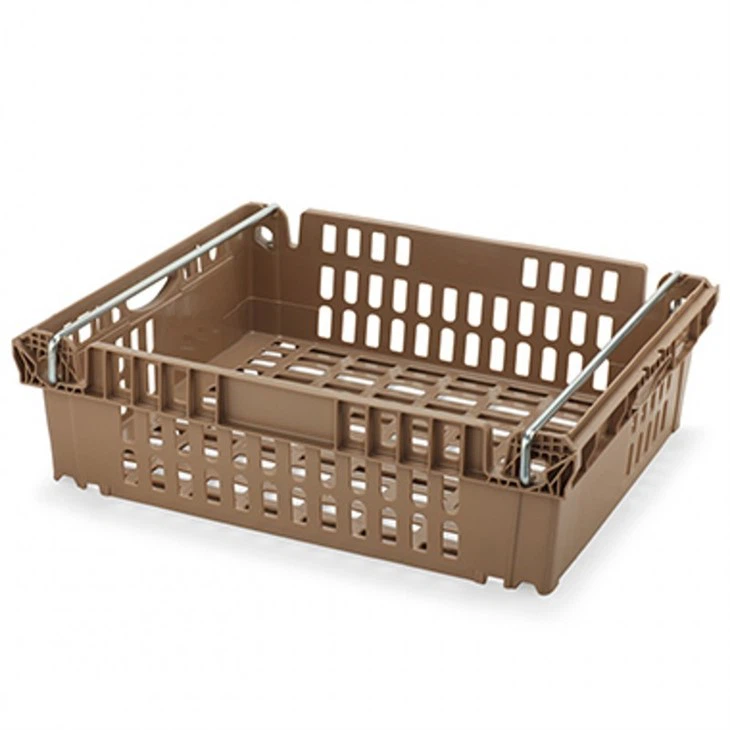
How Long Should It Take to Clean the Chicken Cage Drawer
The time it takes to clean a chicken cage drawer can vary depending on factors such as the size of the drawer, the level of waste accumulation, the cleaning method used, and individual cleaning practices. On average, cleaning a chicken cage drawer thoroughly may take anywhere from 15 to 30 minutes per drawer. This includes steps such as emptying the drawer, removing debris, rinsing with water, applying detergent or disinfectant, scrubbing, allowing dwell time for cleaning agents, rinsing again, and allowing the drawer to air dry. Additional time may be required for tasks such as sanitizing, inspecting for damage or wear, and performing routine maintenance. It's important to allocate enough time to ensure that the cleaning process is thorough and effective, as proper hygiene is crucial for maintaining the health and well-being of the poultry flock and ensuring a safe and sanitary environment on the farm.
The Size of the Typical Chicken Cage Drawer
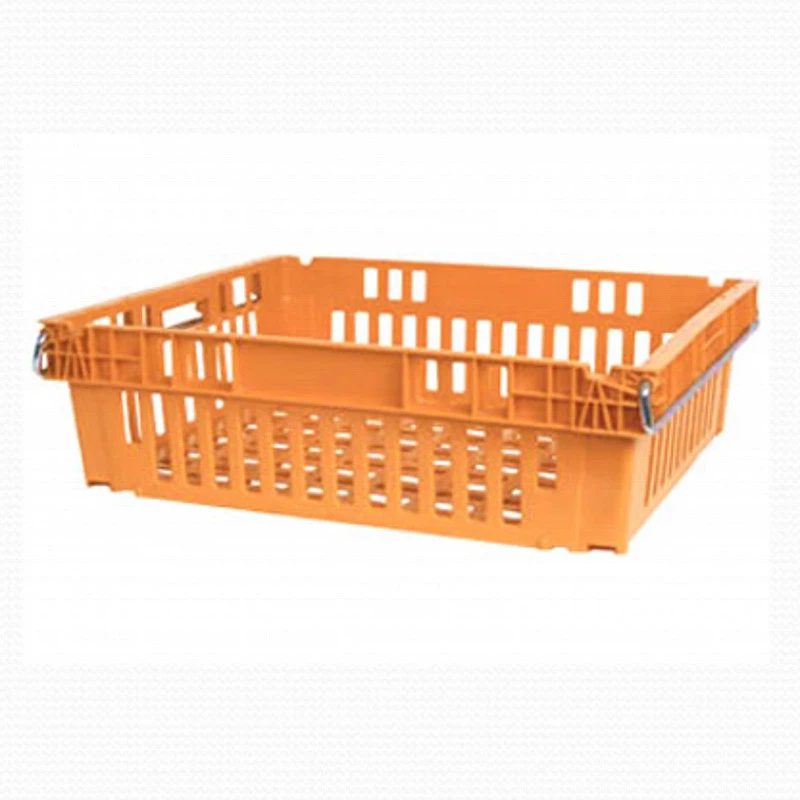
The size of a typical chicken cage drawer can vary depending on factors such as the design of the poultry housing system, the number and size of the chickens being housed, and the specific requirements of the poultry farm. However, in general, chicken cage drawers are designed to fit snugly underneath the cages and typically have dimensions ranging from approximately 2 to 3 feet in width, 3 to 4 feet in length, and 6 to 12 inches in height. These dimensions allow the drawer to collect droppings, feathers, and other waste materials efficiently while still fitting within the space constraints of the poultry housing system. Additionally, the size of the chicken cage drawer may be influenced by factors such as ease of handling, cleaning, and maintenance, as well as compatibility with transportation and storage requirements on the farm. Overall, the size of the typical chicken cage drawer is carefully designed to balance functionality, practicality, and efficiency in managing waste within poultry farming operations.
Maintenance Tips for Chicken Cage Drawer
Regular cleaning
Clean the chicken cage drawer regularly to prevent the buildup of waste, bacteria, and pathogens. Empty the drawer, remove debris, and clean all surfaces thoroughly using a mild detergent or disinfectant approved for use in poultry facilities.
Inspect for damage
Regularly inspect the chicken cage drawer for signs of damage, wear, or corrosion. Pay attention to areas such as hinges, handles, and fasteners, and repair or replace any damaged components as needed to maintain structural integrity.
Lubricate moving parts
Lubricate moving parts such as hinges and drawer slides regularly to ensure smooth operation and prevent rust or corrosion. Use a lubricant suitable for use in poultry facilities to avoid contamination of the environment.
Monitor ventilation
Check ventilation openings or slats in the chicken cage drawer to ensure adequate airflow. Clear any obstructions that may restrict airflow and prevent proper ventilation within the drawer.
Preventive maintenance
Implement a schedule for preventive maintenance tasks such as tightening fasteners, replacing worn components, and applying protective coatings to enhance durability and longevity.
Manage odors
Take steps to control odors associated with poultry waste, such as using odor-absorbing materials or applying specialized coatings to the chicken cage drawer. Regular cleaning and proper ventilation also help minimize odors.
Our Factory
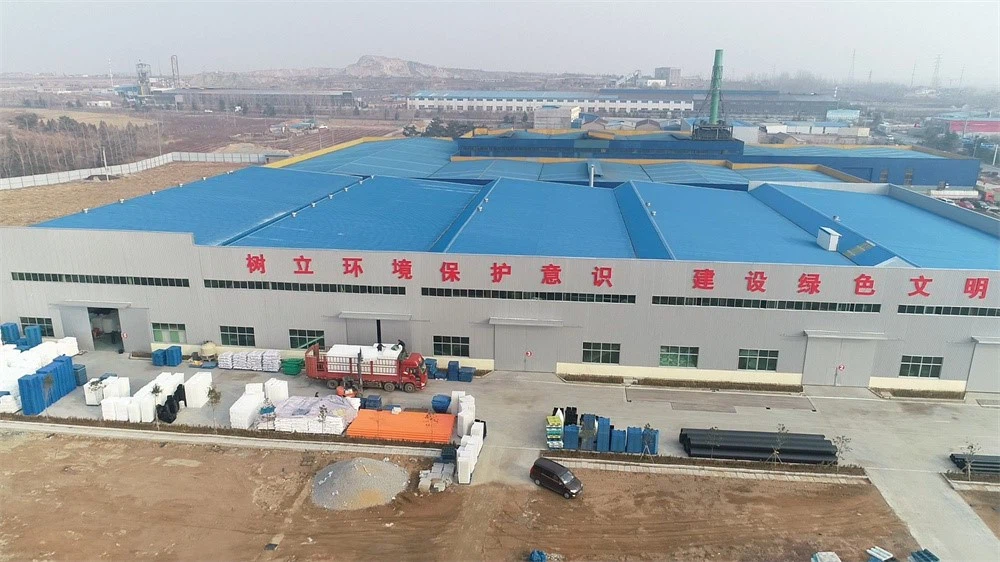
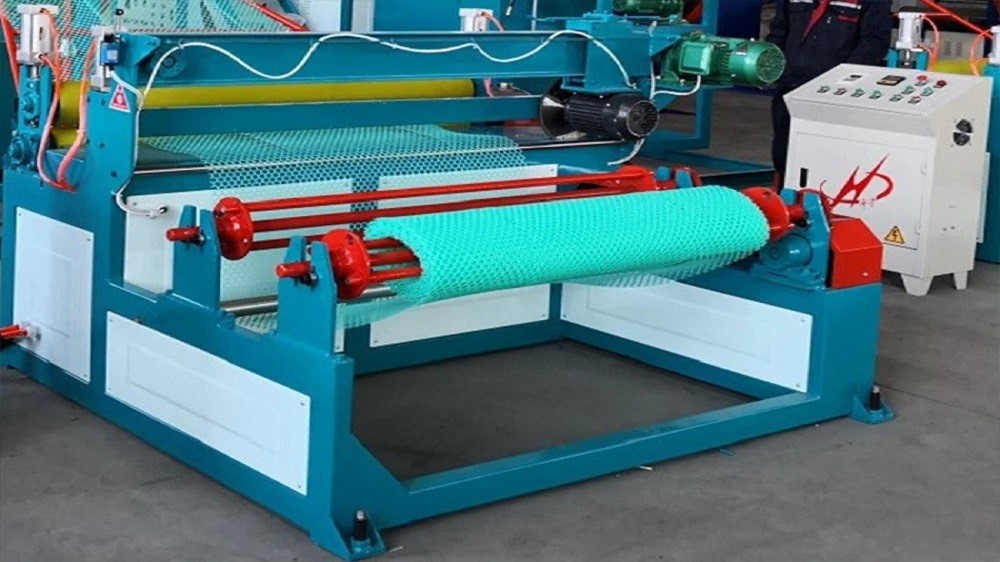
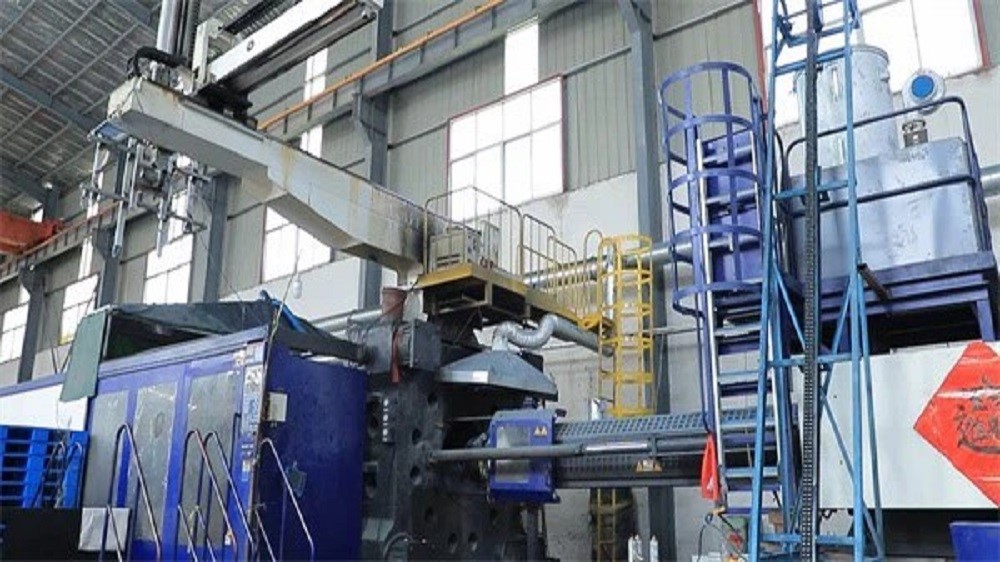
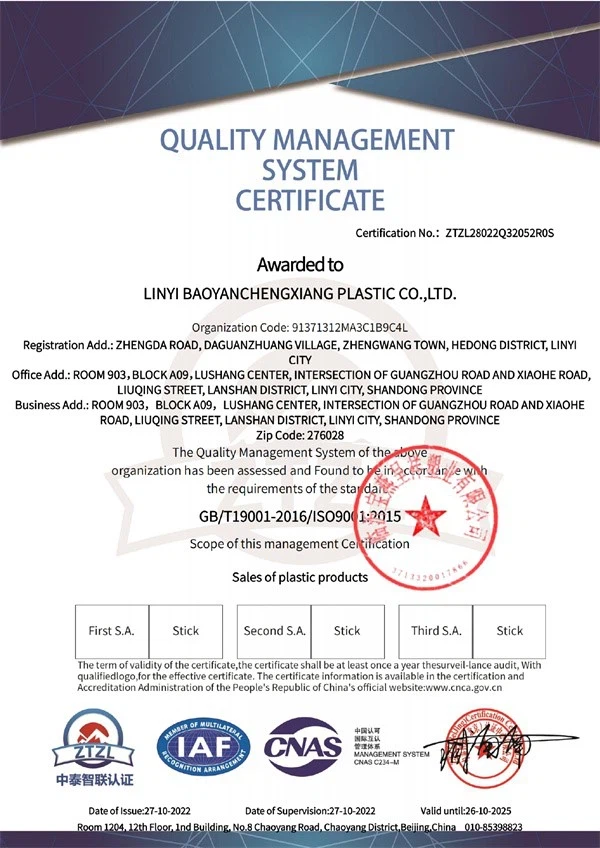
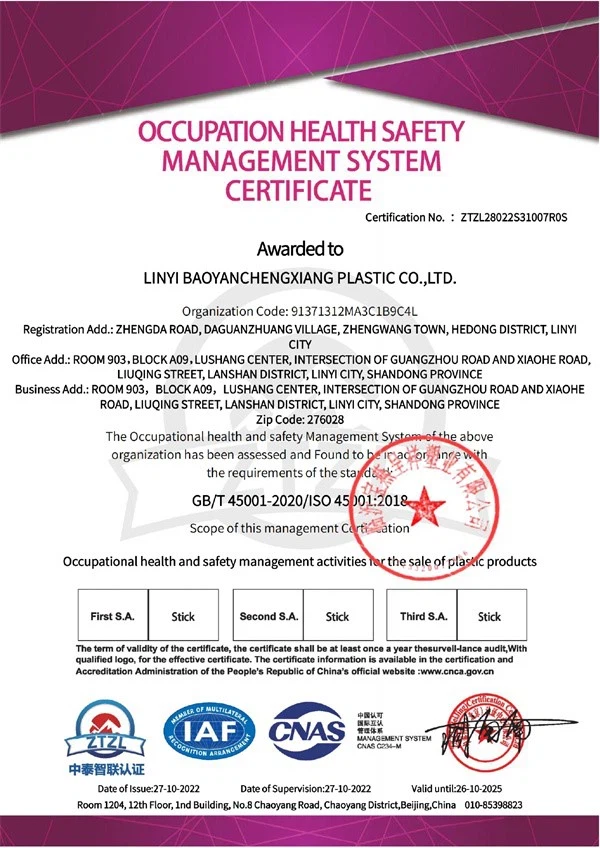
BYPC is a proudly Chinese manufacturer for various kinds of plastic poultry products, plastic crates and plastic pallets and some other specialized products that has been serving the market since 1996. We now have two standardized production plants and have obtained ISO certification, allowing us to provide injection molded plastics, blow molded plastics, rotational molded plastic products. Our standardized production process equipment ensure fast delivery of high-quality products.

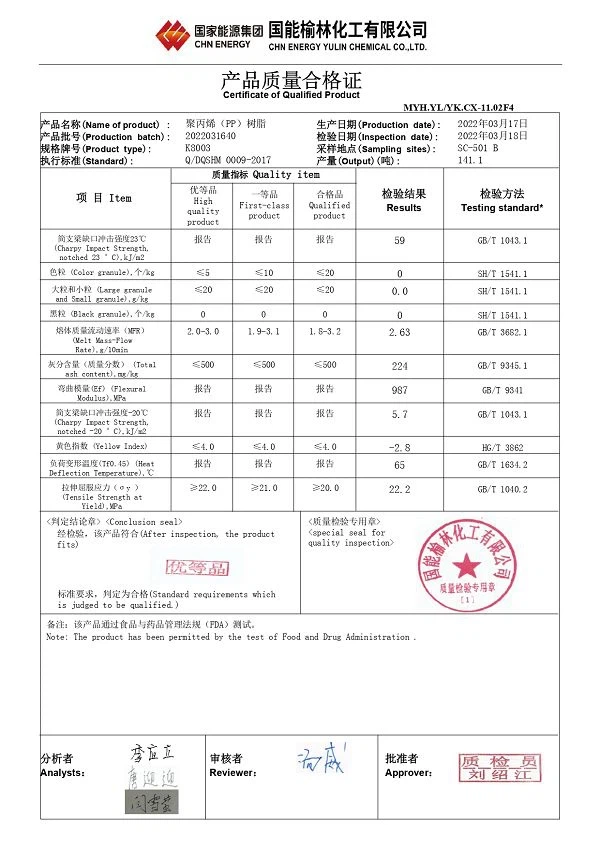
Certifications
FAQ
Q: What is a chicken cage drawer?
Q: How does a chicken cage drawer work?
Q: What are the benefits of using a chicken cage drawer?
Q: How do I install a chicken cage drawer?
Q: How often should I clean my chicken cage drawer?
Q: Can I use a chicken cage drawer for other animals?
Q: What materials are used to make chicken cage drawers?
Q: Are there any safety concerns with using a chicken cage drawer?
Q: How do I maintain my chicken cage drawer?
Q: What size should my chicken cage drawer be?
Q: Can I modify my chicken cage drawer?
Q: What features should I look for when choosing a chicken cage drawer?
Q: Are there any alternatives to chicken cage drawers?
Q: What are some tips for setting up my chicken cage drawer?
Q: How do I introduce my chickens to their new cage drawer?
Q: What should I do if my chicken cage drawer breaks or stops working?
Q: Can I use my chicken cage drawer outdoors?
Q: How do I know if my chicken cage drawer is too small?
Q: Can I use bedding material in my chicken cage drawer?
Q: What is the lifespan of a chicken cage drawer?
We're professional chicken cage drawer manufacturers and suppliers in China, specialized in providing high quality customized service. We warmly welcome you to wholesale cheap chicken cage drawer in stock here and get free sample from our factory. Good service and low price are available.
Chicken Cage Drawer, Plastic Chicken Cage Drawer