


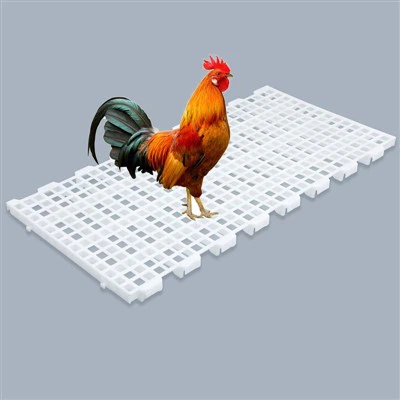


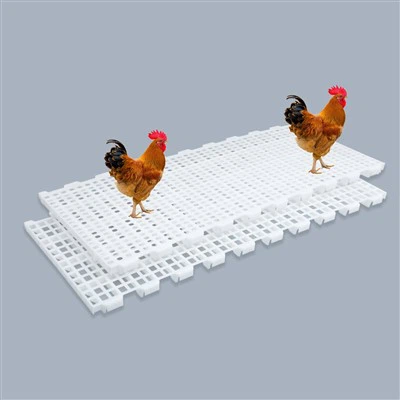
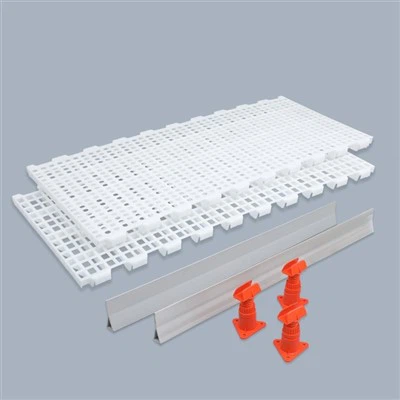

Poultry slat flooring refers to a type of flooring system commonly used in poultry farming facilities, particularly in chicken houses or poultry barns. It consists of a series of interlocking plastic or metal slats or grates arranged on the floor of the poultry house. These slats are designed with openings or gaps between them to allow for the passage of waste, such as droppings and spilled feed, while providing a stable surface for the birds to walk and stand on. Poultry slat flooring serves several purposes in poultry farming operations. Firstly, it helps maintain cleanliness and hygiene within the poultry house by allowing waste to fall through the gaps in the flooring, preventing the accumulation of feces and reducing the risk of bacterial contamination. This promotes healthier living conditions for the birds and helps minimize the spread of diseases.
Advantages of Poultry Slat Flooring
Enhanced air quality
By facilitating the removal of waste from the poultry house floor, slat flooring helps improve air circulation and ventilation. This reduces ammonia levels and odors associated with decomposing organic matter, creating a more comfortable and sanitary environment for the birds and farm workers.
Efficient waste management
Poultry slat flooring facilitates efficient waste management practices in poultry farming operations. The waste that falls through the slats can be collected and removed easily using automated scraping or flushing systems. This reduces manual labor requirements, saves time and resources, and minimizes the risk of contamination during cleaning.
Increased productivity
Clean and hygienic living conditions provided by poultry slat flooring contribute to improved bird health and productivity. Healthy birds are more resistant to diseases, grow faster, and produce higher-quality meat or eggs. This ultimately leads to better economic returns for poultry farmers.
Environmental sustainability
Poultry slat flooring helps reduce environmental impact by minimizing the buildup of waste and the associated pollution risks. It allows for efficient waste management and nutrient recycling, which can benefit soil health and reduce the need for chemical fertilizers in agricultural systems.
Why Choose US
Professional team
Our professional team collaborate and communicate effectively with one another, and are committed to delivering high-quality results. They are capable of handling complex challenges and projects that require their specialized expertise and experience.
Innovation
We are dedicated to improving our systems continually, ensuring that the technology we offer is always cutting edge.
One stop solution
We can offer a range of services, from consultation and advice to product design and delivery. It is a convenience for the customers, as they can get all the help they need in one place.
24h online service
We try and respond to all concerns within 24 hours and our teams are always at your disposal in case of any emergencies.
What Materials Are Commonly Used to Make Poultry Slat Flooring
Plastic: Plastic poultry slat flooring is a popular choice due to its durability, resistance to corrosion, and ease of cleaning. It is typically made from high-density polyethylene (HDPE) or polypropylene (PP) and is available in various designs, including solid or slatted surfaces. Plastic slats are lightweight, easy to install, and provide a comfortable and stable surface for the birds to walk and stand on.
Composite materials: Some poultry slat flooring is made from composite materials that combine the benefits of different materials, such as plastic and wood fibers. Composite slats offer a balance of durability, comfort, and ease of maintenance, making them a versatile option for poultry housing systems.
Fiberglass: Fiberglass poultry slat flooring is lightweight, durable, and resistant to corrosion, making it suitable for use in poultry farming operations. Fiberglass slats offer a smooth and non-porous surface that is easy to clean and disinfect, reducing the risk of bacterial growth and disease transmission.
Rubber: Rubber poultry slat flooring provides a cushioned and slip-resistant surface for the birds, offering enhanced comfort and foot health. Rubber slats are durable, easy to clean, and resistant to moisture and chemicals, making them suitable for use in poultry houses, particularly in broiler or breeder operations.
Features of Poultry Slat Flooring
Slatted design: Poultry slat flooring typically features a slatted design with gaps or openings between the slats. This allows for the efficient removal of waste, such as droppings and spilled feed, while providing a stable surface for the birds to walk and stand on.
Hygienic surface: The slatted surface of poultry flooring promotes cleanliness and hygiene by allowing waste to fall through the gaps, minimizing contact between the birds and their waste. This helps reduce the risk of bacterial growth, ammonia buildup, and disease transmission, leading to healthier living conditions for the birds.
Durable materials: Poultry slat flooring is often constructed from durable materials such as plastic, metal, concrete, or composite materials. These materials are resistant to corrosion, moisture, and physical damage, ensuring longevity and performance in demanding poultry farming environments.
Comfortable walking surface: Despite the slatted design, poultry flooring provides a comfortable and stable walking surface for the birds. The slats are typically designed with rounded edges and smooth surfaces to minimize foot injuries and discomfort, promoting better foot health and welfare.
Optimized ventilation: Poultry slat flooring contributes to improved ventilation and air quality within poultry houses. By allowing waste to fall through the floor, it reduces ammonia levels and odors associated with decomposing organic matter, creating a more comfortable and sanitary environment for the birds.
Efficient waste management: The slatted design of poultry flooring facilitates efficient waste management practices in poultry farming operations. Waste that falls through the slats can be collected and removed easily using automated scraping or flushing systems, reducing manual labor requirements and minimizing the risk of contamination during cleaning.
Easy maintenance: Poultry slat flooring is designed for easy maintenance and cleaning. The smooth surfaces and non-porous materials allow for quick and thorough cleaning, while the slatted design ensures that waste is effectively removed from the floor, minimizing the need for manual scrubbing or scraping.
How Does Poultry Slat Flooring Differ from Traditional Flooring Options for Poultry

Waste management
Hygiene
Ventilation
Foot health
Durability
The Production Process of Poultry Slat Flooring


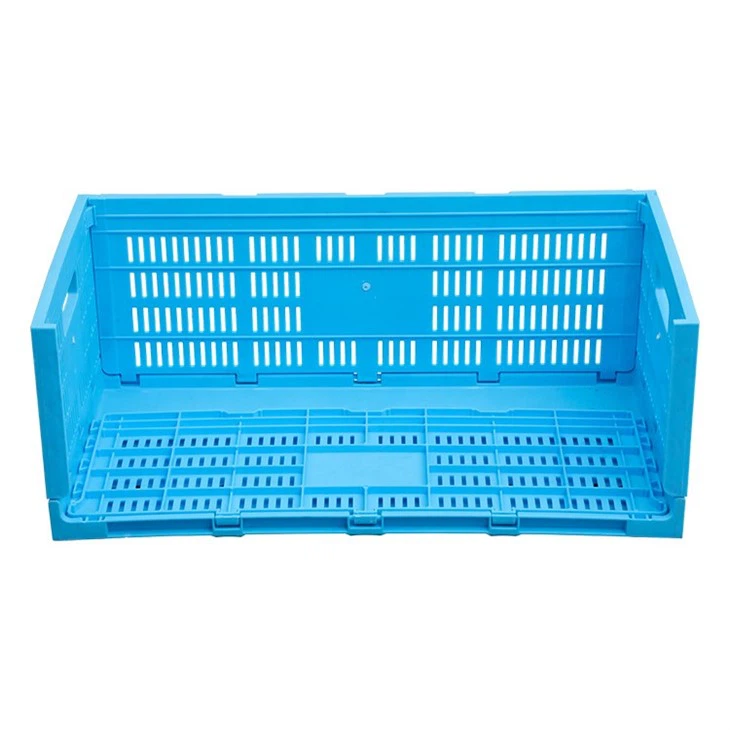
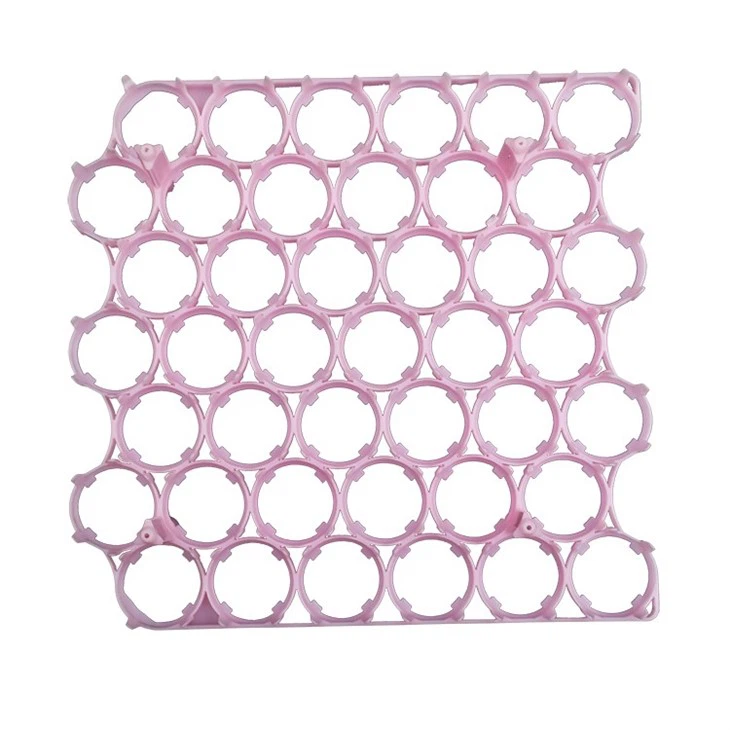
The first step in the production process is selecting the appropriate materials for the poultry slat flooring. Common materials include plastic, metal, concrete, composite materials, or rubber. The choice of material depends on factors such as durability, hygiene, and cost-effectiveness.
Material preparation: Once the materials are selected, they undergo preparation processes to shape them into slats or panels for the flooring. This may involve cutting plastic sheets, molding plastic or rubber components, forming metal sheets, or casting concrete slabs to the desired dimensions.
Manufacturing processes
-Plastic slats: For plastic poultry slat flooring, the manufacturing process typically involves injection molding or extrusion. Injection molding involves injecting molten plastic into a mold cavity, where it cools and solidifies to form the desired shape of the slat. Extrusion involves forcing molten plastic through a die to create continuous lengths of slats with consistent cross-sections.
-Metal slats: Metal poultry slat flooring is manufactured through processes such as cutting, punching, bending, and welding. Metal sheets are cut to the required dimensions, punched with holes for ventilation, bent into shape using presses or rollers, and welded together to form the slats or panels.
-Concrete slabs: Concrete poultry slat flooring is produced by casting concrete slabs using molds or formwork. The concrete mixture, consisting of cement, aggregates, water, and additives, is poured into the molds and allowed to cure until it reaches the desired strength. After curing, the concrete slabs are removed from the molds and finished with surface treatments as needed.
-Composite materials: Composite poultry slat flooring is made by combining different materials, such as plastic and wood fibers, using processes such as extrusion or compression molding. The materials are mixed together to form a homogeneous mixture, which is then shaped into slats or panels using molds or dies.
-Finishing processes: After the slats or panels are formed, they may undergo finishing processes to improve their appearance, durability, and functionality. This may include surface treatments such as painting, powder coating, or applying protective coatings to enhance resistance to corrosion, moisture, and UV exposure.
-Quality control: Throughout the production process, quality control measures are implemented to ensure that the poultry slat flooring meets the required standards for durability, dimensional accuracy, and performance. This may involve inspections, testing, and sampling to identify and address any defects or issues.
Are There Any Specific Installation Requirements for Poultry Slat Flooring
Substrate preparation: Before installing poultry slat flooring, ensure that the substrate or base surface is level, stable, and free from any debris, obstructions, or irregularities. This may involve grading the area, compacting the soil, or pouring a concrete foundation to provide a solid base for the flooring.
Spacing and alignment: Proper spacing and alignment of the poultry slat flooring are crucial for optimal performance. Ensure that the slats are spaced evenly and aligned properly to avoid gaps or overlaps that could compromise stability or allow birds to escape.
Secure fastening: Securely fasten the poultry slat flooring to the substrate using appropriate fasteners or anchoring methods. This may involve bolting, screwing, or welding the slats to the substrate to ensure they remain securely in place, especially in high-traffic areas or under heavy loads.
Ventilation considerations: Ensure adequate ventilation around the poultry slat flooring to promote air circulation and moisture control. Leave sufficient space between slats or panels to allow for proper airflow, and consider installing ventilation systems or fans to improve air quality and comfort for the birds.
Drainage: Proper drainage is essential to prevent standing water or moisture accumulation on the poultry slat flooring, which can lead to health issues and bacterial growth. Install drainage channels or slopes to facilitate the removal of water and waste from the flooring surface, directing it away from the poultry house or farm area.
Edge protection: Install edge protection or containment barriers around the perimeter of the poultry slat flooring to prevent birds from escaping or injuring themselves. This may involve installing raised edges, barriers, or curbs to create a secure enclosure for the birds.
Can Poultry Slat Flooring Be Cleaned and Sanitized Effectively
Before cleaning, remove any birds from the area and clear the flooring of feed, bedding, and debris. Ensure proper ventilation to aid in drying.
Pre-rinse: Use a hose or pressure washer to pre-rinse the slat flooring to remove loose dirt, droppings, and other debris. Start from one end and work your way to the other, ensuring thorough coverage.
Scrubbing: Use a scrub brush or broom to agitate the cleaning solution and loosen dirt, grime, and organic matter from the surface of the slat flooring. Pay particular attention to corners, edges, and areas with heavy soiling.
Rinsing: Rinse the slat flooring thoroughly with clean water to remove the cleaning solution and any remaining dirt or debris. Ensure that all surfaces are rinsed clean and free from residue.
Sanitizing: After cleaning, apply a poultry-safe sanitizer or disinfectant to the slat flooring to kill bacteria, viruses, and other pathogens. Follow the manufacturer's instructions for proper dilution and application methods.
Drying: Allow the slat flooring to air dry completely before reintroducing birds or bedding. Proper drying helps prevent moisture buildup and reduces the risk of bacterial growth.
Regular maintenance: Implement a regular cleaning and sanitizing schedule to keep the poultry slat flooring clean and hygienic. Depending on usage and environmental conditions, this may involve daily, weekly, or monthly cleaning routines.
Inspect and repair: Periodically inspect the poultry slat flooring for signs of damage, wear, or deterioration. Repair or replace damaged slats, fasteners, or drainage systems as needed to maintain functionality and safety.
How to Affect the Ventilation of Poultry Floor Floor
Improving ventilation in poultry houses with slatted flooring is essential for maintaining optimal air quality and promoting the health and welfare of the birds. Several strategies can be employed to enhance ventilation in poultry floor systems. Firstly, careful consideration should be given to the design of the poultry house, ensuring proper orientation, roof slope, and positioning of openings to facilitate natural airflow. Additionally, selecting slatted flooring with larger gaps or openings allows for better air circulation throughout the floor. Strategic placement of ventilation fans near the floor level helps draw in fresh air and remove stale air, moisture, and airborne contaminants. Incorporating natural ventilation methods, such as ridge vents and side vents, can further promote airflow within the poultry house. Proper placement of inlet and outlet vents creates a balanced airflow pattern, while environmental control systems can automatically regulate ventilation parameters based on real-time conditions. Implementing management practices like maintaining proper stocking densities and regular maintenance of ventilation equipment also contribute to effective ventilation. By employing these strategies, poultry farmers can ensure optimal air quality and ventilation in poultry houses with slatted flooring, supporting the overall well-being and productivity of the birds.
How to Choose Poultry Slat Flooring
Material
Select a material for the poultry slat flooring that is durable, easy to clean, and suitable for the intended application. Common materials include plastic, metal, concrete, composite materials, and rubber. Each material has its advantages and disadvantages, so choose one that best fits the specific requirements of the poultry house and management practices.
Design
Consider the design of the poultry slat flooring, including the size and spacing of the slats or openings. Opt for a design that provides adequate support for the birds while allowing for efficient waste removal and ventilation. The design should also minimize the risk of foot injuries and promote good foot health among the birds.
Ventilation
Choose poultry slat flooring that facilitates effective ventilation within the poultry house. Select flooring with larger gaps or openings to allow for better airflow through the floor. Proper ventilation helps control humidity levels, reduce ammonia buildup, and maintain good air quality for the birds.
Hygiene
Prioritize hygiene when selecting poultry slat flooring. Choose flooring that is easy to clean and sanitize to prevent the buildup of bacteria, viruses, and other pathogens. Smooth, non-porous surfaces are preferable as they are easier to clean and less likely to harbor harmful microorganisms.
Comfort
Consider the comfort of the birds when choosing poultry slat flooring. Select flooring with a comfortable walking surface that minimizes foot injuries and discomfort. Rounded edges, smooth surfaces, and proper spacing between slats contribute to better foot health and welfare among the birds.
Durability
Ensure that the poultry slat flooring is durable and able to withstand the demands of poultry farming operations. Choose flooring materials that are resistant to corrosion, moisture, physical damage, and wear and tear. Durable flooring helps minimize maintenance costs and ensures long-term performance in challenging environments.
How to Install Poultry Slat Flooring
Start by preparing the poultry house for flooring installation. Clear the area of any debris, obstructions, or existing flooring materials. Ensure that the substrate or base surface is level, stable, and properly graded to promote drainage.
Select flooring material
Choose the appropriate poultry slat flooring material based on the specific needs and requirements of the poultry farming operation. Consider factors such as durability, hygiene, ventilation, and comfort for the birds.
Layout and measurement
Plan the layout of the poultry slat flooring, taking into account the dimensions of the poultry house and the desired configuration of the flooring system. Measure the space accurately to determine the quantity of slats or panels needed for installation.
Positioning
Position the poultry slat flooring components in the desired location within the poultry house. Ensure that the slats or panels are aligned properly and spaced evenly to provide adequate support for the birds and allow for efficient waste removal and ventilation.
Securing fasteners
Securely fasten the poultry slat flooring components to the substrate or base surface using appropriate fasteners or anchoring methods. Depending on the material and design of the flooring, this may involve bolting, screwing, welding, or adhesive bonding.
Ventilation considerations
Pay attention to ventilation considerations during installation to ensure proper airflow within the poultry house. Leave sufficient space between slats or panels to allow for adequate ventilation and airflow through the flooring system.
Drainage
Ensure proper drainage by incorporating slopes or channels into the poultry slat flooring design. This helps prevent standing water or moisture accumulation on the surface of the flooring, reducing the risk of bacterial growth and promoting a clean and hygienic environment for the birds.
Edge protection
Install edge protection or containment barriers around the perimeter of the poultry slat flooring to prevent birds from escaping or injuring themselves. This may involve installing raised edges, barriers, or curbs to create a secure enclosure for the birds.
Quality control
Conduct a thorough inspection of the installed poultry slat flooring to ensure proper alignment, fastening, and ventilation. Make any necessary adjustments or corrections to address any issues identified during the installation process.
Finishing touches
Once the poultry slat flooring is installed, perform any necessary finishing touches, such as sealing joints, applying surface treatments, or adding bedding material as needed to create a comfortable and functional environment for the birds.
Maintenance Tips for Poultry Slat Flooring
Regular cleaning: Implement a regular cleaning schedule to remove debris, droppings, and spilled feed from the poultry slat flooring. Use a hose, pressure washer, or scraper to clean the surface thoroughly, paying attention to corners, edges, and areas with heavy soiling.
Disinfection: Periodically disinfect the poultry slat flooring to kill bacteria, viruses, and other pathogens. Use poultry-safe disinfectants and follow the manufacturer's instructions for proper dilution and application methods. Allow the disinfectant to sit for the recommended contact time before rinsing thoroughly with clean water.
Inspect for damage: Regularly inspect the poultry slat flooring for signs of damage, wear, or deterioration. Look for cracked or broken slats, loose fasteners, or corrosion on metal components. Repair or replace damaged parts promptly to prevent further deterioration and ensure the safety and functionality of the flooring.
Maintain drainage: Ensure proper drainage by keeping drainage channels, gutters, and outlets clear of debris and obstructions. Remove any accumulated dirt, leaves, or debris that may impede water flow and cause standing water on the surface of the flooring.
Control moisture: Monitor and control moisture levels in the poultry house to prevent excess moisture buildup on the slat flooring. Proper ventilation, bedding management, and water management practices help reduce humidity levels and minimize the risk of bacterial growth and foot pad lesions among the birds.
Trim vegetation: Keep vegetation, weeds, and grasses trimmed around the perimeter of the poultry house to prevent them from obstructing ventilation openings or accumulating debris on the slat flooring. This helps maintain proper airflow and promotes a clean and sanitary environment for the birds.
Monitor bird health: Regularly monitor the health and behavior of the birds to detect any signs of foot injuries, respiratory issues, or other health problems related to the flooring. Adjust management practices or flooring conditions as needed to address any issues and promote good bird welfare.
Our Factory
BYPC is a proudly Chinese manufacturer for various kinds of plastic poultry products, plastic crates and plastic pallets and some other specialized products that has been serving the market since 1996. We now have two standardized production plants and have obtained ISO certification, allowing us to provide injection molded plastics, blow molded plastics, rotational molded plastic products. Our standardized production process equipment ensure fast delivery of high-quality products.


Certifications


FAQ
Q: What is poultry slat flooring?
Q: Why is slat flooring important for poultry housing?
Q: What are the advantages of using plastic slats over wooden or metal ones?
Q: How do I choose the right width and spacing for my poultry slat flooring?
Q: What is the ideal angle for my poultry slat flooring?
Q: How do I install poultry slat flooring?
Q: How often should I replace my poultry slat flooring?
Q: Can I use recycled plastic for my poultry slat flooring?
Q: How do I clean and maintain my poultry slat flooring?
Q: What are the common problems associated with poultry slat flooring?
Q: Can I use slatted flooring for all types of poultry?
Q: Is there any risk of injury with slatted flooring?
Q: How do I prevent ammonia buildup with slatted flooring?
Q: Can I adjust the height of my poultry slat flooring?
Q: What are the considerations for integrating lighting with slatted flooring?
Q: How do I ensure proper ventilation under my poultry slat flooring?
Q: What are the environmental impacts of using slatted flooring in poultry farming?
Q: How do I know if my poultry slat flooring is suitable for organic farming?
Q: Can I retrofit my existing poultry house with slatted flooring?
Q: What are the fire safety considerations for poultry slat flooring?
We're professional poultry slat flooring manufacturers and suppliers in China, specialized in providing high quality customized service. We warmly welcome you to wholesale cheap poultry slat flooring in stock here and get free sample from our factory. Good service and low price are available.