


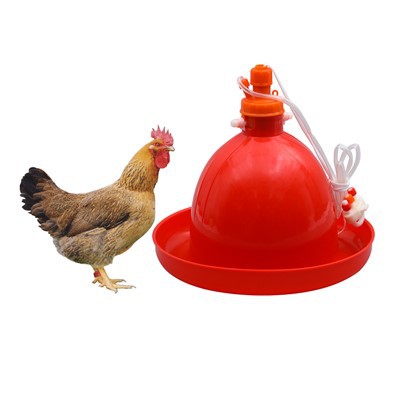
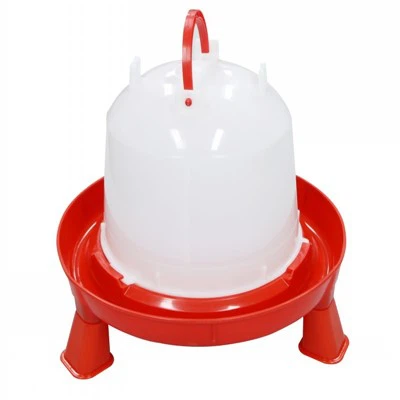


A plastic chicken waterer is a type of watering system specifically designed for poultry, particularly chickens, in poultry farming operations. It consists of a container or reservoir made of durable plastic material, typically polyethylene, and a water dispensing mechanism that allows chickens to access clean water easily. Plastic chicken waterers come in various designs and sizes to accommodate different flock sizes and management preferences. The primary purpose of a plastic chicken waterer is to provide a continuous supply of clean and fresh water to the poultry flock. The plastic construction of the waterer is lightweight, durable, and resistant to corrosion, making it suitable for use in outdoor or indoor poultry housing systems. Some plastic chicken waterers feature UV-resistant properties to withstand exposure to sunlight and outdoor elements without deteriorating.
Advantages of Plastic Chicken Waterer
Durability
Plastic chicken waterers are made from durable materials such as polyethylene, which are resistant to corrosion, rust, and damage. This ensures that the waterer can withstand the rigors of daily use in poultry housing systems and outdoor environments, providing long-term reliability and performance.
Lightweight
Plastic chicken waterers are lightweight compared to metal or ceramic waterers, making them easier to handle and transport. This facilitates installation, cleaning, and maintenance tasks, reducing the physical strain on poultry farmers and farm workers.
Ease of cleaning
Plastic chicken waterers are easy to clean and sanitize, thanks to their smooth and non-porous surfaces. They can be quickly rinsed, scrubbed, and disinfected to remove dirt, algae, and bacteria, ensuring a constant supply of clean and uncontaminated water for the chickens.
Resistance to weather
Plastic chicken waterers are resistant to weathering and UV exposure, making them suitable for outdoor use in all seasons. They can withstand exposure to sunlight, rain, and temperature fluctuations without deteriorating or becoming damaged, ensuring reliable performance year-round.
Why Choose US
Professional team
Our professional team collaborate and communicate effectively with one another, and are committed to delivering high-quality results. They are capable of handling complex challenges and projects that require their specialized expertise and experience.
Innovation
We are dedicated to improving our systems continually, ensuring that the technology we offer is always cutting edge.
One stop solution
We can offer a range of services, from consultation and advice to product design and delivery. It is a convenience for the customers, as they can get all the help they need in one place.
24h online service
We try and respond to all concerns within 24 hours and our teams are always at your disposal in case of any emergencies.

The working principle of a plastic chicken waterer typically involves gravity-fed or automatic dispensing mechanisms to provide a constant supply of clean water to poultry. In a gravity-fed system, water is stored in a reservoir or container attached to the waterer, and a valve or float mechanism regulates the water level. As chickens drink from the tray or trough, the water level decreases, causing the valve to open and allow more water to flow in, maintaining a consistent water level. in an automatic system, the waterer is equipped with a float valve or similar mechanism that senses the water level and automatically refills the reservoir as needed. When the water level drops below a certain threshold, the float valve opens to allow water from a connected supply source to enter the reservoir, replenishing the water supply without the need for manual intervention. Regardless of the specific mechanism, the goal of a plastic chicken waterer is to ensure that chickens have access to clean and uncontaminated water at all times. The waterer is designed to prevent spills, leaks, and contamination, providing a reliable and hygienic watering solution for poultry while minimizing water wastage and maintenance requirements. By implementing gravity-fed or automatic dispensing principles, plastic chicken waterers promote efficient water access, ease of use, and optimal hydration for the poultry flock.
Materials Used in Plastic Chicken Waterer
.
Polyethylene (PE)
Polyethylene is a common material used in plastic chicken waterers due to its durability, lightweight nature, and resistance to corrosion and chemicals. High-density polyethylene (HDPE) and low-density polyethylene (LDPE) are both suitable for manufacturing waterers and provide excellent strength and flexibility.
Polypropylene (PP)
Polypropylene is another type of plastic commonly used in chicken waterers. It offers similar properties to polyethylene, including resistance to chemicals and impact, making it suitable for outdoor use in poultry farming environments.
Acrylonitrile butadiene styrene (ABS)
ABS is a thermoplastic polymer known for its toughness and impact resistance. It is often used in the construction of components for chicken waterers, such as valves, handles, and connectors, due to its strength and durability.
Polycarbonate
Polycarbonate is a strong and transparent thermoplastic commonly used in the manufacturing of waterer components like reservoirs or containers. It offers excellent impact resistance and clarity, allowing poultry farmers to easily monitor water levels.
Polyvinyl chloride (PVC)
PVC is a versatile plastic that is sometimes used in the construction of chicken waterers, particularly for tubing or piping components. It is known for its durability, chemical resistance, and ease of fabrication.
How Does a Plastic Chicken Waterer Differ from Other Types of Chicken Waterers
Material: The primary difference lies in the material used for construction. Plastic chicken waterers are made from durable plastics like polyethylene, polypropylene, or ABS, whereas metal waterers are typically made from galvanized steel or aluminum, and ceramic waterers are made from fired clay or porcelain.
Weight: Plastic chicken waterers are generally lighter in weight compared to metal or ceramic alternatives. This makes them easier to handle, transport, and install, especially in larger poultry farming operations.
Durability: While metal and ceramic waterers are known for their strength and durability, plastic chicken waterers offer excellent resistance to corrosion, rust, and damage. They are also less prone to denting or chipping, making them a durable option for outdoor use.
Ease of cleaning: Plastic chicken waterers have smooth and non-porous surfaces that are easy to clean and sanitize, reducing the risk of bacterial contamination and promoting good hygiene in poultry farming operations. Metal waterers may require more frequent cleaning to prevent rust or corrosion, while ceramic waterers may be more prone to staining or buildup.
Temperature sensitivity: Plastic chicken waterers are less affected by temperature fluctuations compared to metal or ceramic waterers. They are less likely to become too hot or too cold in extreme weather conditions, ensuring that the water remains at a comfortable temperature for the chickens.
There are different sizes of plastic chicken waterers available to accommodate various flock sizes and management needs in poultry farming operations. These waterers come in a range of capacities to suit the specific requirements of different poultry setups, from small backyard flocks to large commercial operations.
Small plastic chicken waterers are typically designed for smaller flocks or individual cages and may have a capacity of a few liters or gallons. They are compact and space-saving, making them suitable for use in limited spaces or for portable setups. Medium-sized plastic chicken waterers are suitable for medium-sized flocks or group housing systems. They have a larger capacity than small waterers and can hold several gallons or liters of water to meet the hydration needs of the birds throughout the day.
Large plastic chicken waterers are designed for large-scale poultry operations with significant flock sizes. These waterers have a high capacity and can hold a substantial amount of water to provide continuous access for a large number of birds. They may feature multiple access points or outlets to accommodate the flock size efficiently. plastic chicken waterers may come in various shapes and designs, including traditional trough-style waterers, nipple waterers, or automatic waterers with float valves. Each type of waterer offers different features and benefits to suit the specific requirements and preferences of poultry farmers.

How Does a Plastic Chicken Waterer Ensure Access to Clean Water for Poultry
Sealed reservoir: Plastic chicken waterers feature a sealed reservoir or container that holds the water supply. This design prevents external contaminants such as dirt, debris, and pests from entering the water, ensuring that the water remains clean and free from contamination.
Leak-proof valves and seals: Many plastic chicken waterers are equipped with leak-proof valves and seals that prevent water from spilling or leaking out of the waterer. This not only conserves water but also helps maintain a clean and dry environment around the waterer, reducing the risk of bacterial growth and contamination.
Drip-free dispensing: Plastic chicken waterers dispense water in a controlled manner, typically through gravity-fed or automatic mechanisms. Drip-free dispensing prevents water from accumulating in the tray or trough, minimizing the likelihood of contamination from droppings, dirt, or algae.
Easy-to-clean surfaces: Plastic chicken waterers are designed with smooth and non-porous surfaces that are easy to clean and sanitize. Regular cleaning helps remove any buildup of dirt, algae, or bacteria, ensuring that the water remains clean and hygienic for the poultry flock.
Sturdy and stable construction: Plastic chicken waterers are constructed from durable materials such as polyethylene or polypropylene, which are resistant to corrosion, rust, and damage. This sturdy construction ensures that the waterer remains stable and secure, minimizing the risk of spills or accidents that could contaminate the water.
Protected access points: Access points such as troughs, nipples, or drinking cups are designed to protect the water from external contamination while still allowing chickens to easily access the water. This ensures that only the birds can come into contact with the water, reducing the risk of contamination from environmental sources.
The Manufacturing Process of Plastic Chicken Waterer
Material selection: Once the design is finalized, appropriate materials are selected for manufacturing the waterer. Common materials include high-density polyethylene (HDPE), polypropylene (PP), or acrylonitrile butadiene styrene (ABS), chosen for their durability, resistance to corrosion, and suitability for food contact applications.
Injection molding: The selected plastic material is melted and injected into a mold cavity using high-pressure injection molding machines. The mold is precisely designed to form the shape and structure of the waterer, including the reservoir, valves, seals, and other components.
Cooling and solidification: After injection, the plastic material rapidly cools and solidifies within the mold cavity, taking on the desired shape and dimensions of the waterer. Cooling may be accelerated using cooling channels or other methods to ensure uniform solidification and minimize cycle times.
Mold release and ejection: Once the plastic has solidified, the mold is opened, and the newly formed waterer is ejected from the mold cavity. Mold release agents may be used to facilitate the release of the waterer from the mold surface without damaging the plastic.
Trimming and finishing: Any excess plastic, known as flash, is trimmed from the edges of the waterer to achieve the final shape and dimensions. Additional finishing processes may be performed to smooth out rough edges, remove surface imperfections, and enhance the appearance of the waterer.
Assembly: If the waterer consists of multiple components, such as valves, seals, or connectors, these parts are assembled and integrated into the final product. Assembly may involve mechanical fastening, adhesive bonding, or welding techniques to ensure proper alignment and functionality.
Packaging and distribution: Once the waterers have passed quality control inspections, they are packaged according to customer requirements and prepared for distribution. Packaging materials are selected to protect the waterers during transit and storage, ensuring they arrive in optimal condition to the end-user.
How Do Plastic Chicken Waterers Impact the Overall Cleanliness of a Poultry Operation
Prevention of contamination
Plastic chicken waterers are designed to prevent contamination of the water supply by external factors such as dirt, debris, and droppings. The sealed reservoir and leak-proof valves ensure that only clean water is dispensed to the birds, minimizing the risk of waterborne diseases and infections.
Easy to clean
Plastic chicken waterers have smooth and non-porous surfaces that are easy to clean and sanitize. Regular cleaning helps remove any buildup of dirt, algae, or bacteria, ensuring that the water remains clean and hygienic for the poultry flock.
Reduced spillage
Leak-proof valves and seals minimize spills and leaks from the waterer, preventing water from accumulating on the floor or bedding material. This reduces the risk of wet and damp conditions, which can harbor bacteria and promote the growth of pathogens.
Hygienic drinking environment
Plastic chicken waterers provide a hygienic drinking environment for the birds, free from contaminants and pollutants. This promotes healthier drinking habits and reduces the likelihood of waterborne illnesses, leading to improved flock health and productivity.
Minimized cross-contamination
By providing individual access points for each bird to drink from, plastic chicken waterers help minimize the risk of cross-contamination between birds. This prevents the spread of diseases and infections within the flock, contributing to overall biosecurity and disease management in the poultry operation.
Long-term durability
Plastic chicken waterers are resistant to corrosion, rust, and damage, ensuring long-term durability and reliability in poultry farming environments. This reduces the need for frequent replacement or repair, minimizing disruptions to the operation and maintaining consistent cleanliness standards over time.
How to Choose Plastic Chicken Waterer
Choosing the right plastic chicken waterer is essential to ensure optimal hydration and health for your poultry flock. Here are some factors to consider when selecting a plastic chicken waterer:
Size and capacity: Consider the size of your poultry flock and their water consumption needs. Choose a waterer with an appropriate capacity to provide an adequate supply of water for your birds throughout the day without frequent refilling.
Design and features: Evaluate the design and features of the waterer, such as the type of dispensing mechanism (gravity-fed or automatic), access points (troughs, nipples, or cups), and any additional features like leak-proof valves or UV resistance. Select a design that is suitable for your flock size, housing system, and management preferences.
Material quality: Check the quality of the plastic material used in the waterer construction. Ensure that it is made from durable, food-grade plastics such as polyethylene or polypropylene, which are resistant to corrosion, rust, and damage.
Ease of cleaning: Look for a waterer with smooth and non-porous surfaces that are easy to clean and sanitize. Consider whether the waterer can be disassembled for thorough cleaning and maintenance, as proper hygiene is essential to prevent bacterial contamination and promote flock health.
Durability and longevity: Choose a waterer that is built to last and withstand the rigors of poultry farming environments. Consider factors such as weather resistance, impact resistance, and overall sturdiness to ensure long-term durability and reliability.
How to Use Plastic Chicken Waterer

Set Up the Waterer
Fill the Reservoir
Check Water Level
Clean and Sanitize
Inspect for Damage
How to Install Plastic Chicken Waterer
Select a suitable location
Choose a suitable location within the poultry housing area to install the waterer. Ensure the area is level, stable, and easily accessible to the chickens. Consider factors such as proximity to feeding areas, protection from weather elements, and ease of maintenance.
Secure mounting surface
If the waterer is designed to be mounted or attached to a surface, ensure that the mounting surface is sturdy and secure. Use screws, bolts, or other appropriate fasteners to secure the waterer in place, ensuring it cannot be easily dislodged or tipped over by the birds.
Ensure proper height
Position the waterer at an appropriate height for the chickens to access it comfortably. The waterer should be easily reachable by both adult birds and chicks, without requiring them to stretch or strain to drink from it.
Connect to water supply
If the waterer requires connection to a water supply source, such as a hose or pipe, ensure that the connection is secure and leak-proof. Use appropriate fittings, adapters, or connectors to attach the waterer to the water supply line, following manufacturer instructions.
Fill the reservoir
Once the waterer is securely installed and connected to the water supply, fill the reservoir with clean, fresh water. Ensure that the water level is sufficient to provide an adequate supply of water to the birds, adjusting as needed based on flock size and water consumption.
Test for leaks
Turn on the water supply and check for any leaks or drips around the waterer connections. Tighten fittings or seals as needed to prevent leaks, ensuring that the waterer maintains a constant water level without wastage.

How Do I Prevent Algae Growth in My Plastic Chicken Waterer
To prevent algae growth in your plastic chicken waterer, there are several measures you can take. First, regularly clean the waterer to remove any buildup of algae or other organic matter. This can be done by emptying the waterer, scrubbing it with a brush or sponge, and rinsing it thoroughly with clean water. Additionally, consider placing the waterer in a shaded area to minimize exposure to sunlight, as algae thrive in sunlight. Alternatively, you can use a water additive specifically designed to inhibit algae growth. These additives are safe for use with chickens and can be added to the water according to the manufacturer's instructions. Finally, consider using a waterer with a design that minimizes algae growth, such as one with a narrow opening that prevents sunlight from entering the water reservoir. By implementing these strategies, you can help keep your plastic chicken waterer clean and algae-free, ensuring that your chickens have access to clean, fresh water at all times.
Can I Use My Plastic Chicken Waterer in a Greenhouse
You can use your plastic chicken waterer in a greenhouse or hoop house. However, there are some considerations to keep in mind to ensure optimal performance and hygiene. Firstly, since greenhouses and hoop houses are enclosed environments with higher humidity levels, there might be an increased risk of algae growth in the waterer. To prevent this, follow the same measures as mentioned earlier for preventing algae growth, such as regular cleaning, shading the waterer from direct sunlight, and using algae-inhibiting additives if necessary. ensure that the waterer is placed in a location where it won't be easily contaminated by soil, debris, or other pollutants present in the greenhouse environment. This will help maintain the cleanliness of the water and minimize the risk of bacterial contamination.
Furthermore, consider the temperature fluctuations inside the greenhouse or hoop house, as extreme temperatures can affect the plastic material of the waterer and its durability over time. Choosing a sturdy and durable plastic waterer designed to withstand varying environmental conditions will help ensure its longevity and performance in this setting. with proper maintenance and consideration of the unique conditions in a greenhouse or hoop house, your plastic chicken waterer can effectively provide clean and accessible water for your poultry while minimizing the risk of contamination and algae growth.

How to Clean Plastic Chicken Waterer
Empty the waterer: Begin by emptying the waterer completely to remove any remaining water and debris.
Disassemble the waterer: If your waterer has removable parts such as a reservoir, base, or lid, disassemble it to make cleaning more thorough.
Scrub with soap and water: Use a mild detergent or dish soap and warm water to scrub the interior and exterior of the waterer. A brush or sponge can be helpful for reaching into crevices and removing any stubborn dirt or algae buildup. Ensure to clean all surfaces thoroughly.
Rinse thoroughly: After scrubbing, rinse the waterer with clean water to remove any soap residue or loosened debris. This step is crucial to ensure that no harmful chemicals remain that could potentially harm your chickens.
Sanitize: To disinfect the waterer and eliminate bacteria or other pathogens, you can use a diluted bleach solution. Mix one part bleach with nine parts water and use this solution to wipe down all surfaces of the waterer. Let the bleach solution sit for a few minutes before rinsing thoroughly with clean water.
Allow to dry: After cleaning and sanitizing, allow the waterer to air dry completely before reassembling and refilling it with fresh water. Ensuring that the waterer is thoroughly dried helps prevent the growth of mold and bacteria.
Regular maintenance: Make a habit of cleaning your plastic chicken waterer regularly, ideally at least once a week or more frequently if necessary, depending on the rate of algae or debris buildup. Regular maintenance will help keep the waterer clean and ensure that your chickens have access to clean drinking water at all times.
Our Factory
BYPC is a proudly Chinese manufacturer for various kinds of plastic poultry products, plastic crates and plastic pallets and some other specialized products that has been serving the market since 1996. We now have two standardized production plants and have obtained ISO certification, allowing us to provide injection molded plastics, blow molded plastics, rotational molded plastic products. Our standardized production process equipment ensure fast delivery of high-quality products.


Certifications


FAQ
Q: What is a plastic chicken waterer?
Q: What are the benefits of using a plastic chicken waterer?
Q: What materials are plastic chicken waterers made from?
Q: How do I install a plastic chicken waterer?
Q: How often should I clean my plastic chicken waterer?
Q: Can I use my plastic chicken waterer outdoors?
Q: How do I maintain my plastic chicken waterer?
Q: What size should my plastic chicken waterer be?
Q: Can I modify my plastic chicken waterer?
Q: What features should I look for when choosing a plastic chicken waterer?
Q: Are there any alternatives to plastic chicken waterers?
Q: Can I use my plastic chicken waterer for ducks or other birds?
Q: How do I dispose of old plastic chicken waterers?
Q: What is the difference between a nipple drinker and a bell drinker in plastic chicken waterers?
Q: Can I use my plastic chicken waterer in a greenhouse or hoop house?
Q: How do I prevent algae growth in my plastic chicken waterer?
Q: Can I use my plastic chicken waterer in a commercial poultry operation?
Q: What is the best way to store my plastic chicken waterer when it is not in use?
Q: Can I use my plastic chicken waterer for plants or gardening purposes?
Q: What is the lifespan of a typical plastic chicken waterer?
We're professional plastic chicken waterer manufacturers and suppliers in China, specialized in providing high quality customized service. We warmly welcome you to wholesale cheap plastic chicken waterer in stock here and get free sample from our factory. Good service and low price are available.