


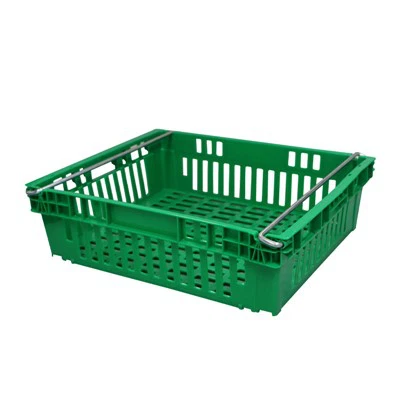


Meat Crate is a novel concept that has revolutionized the way meat is sourced, packaged, and delivered to consumers. It is a subscription-based service that offers high-quality, ethically sourced meat conveniently packaged in eco-friendly crates. The Meat Crate team works closely with local farmers who prioritize animal welfare and sustainable farming practices. This ensures that the meat provided is not only delicious but also raised in a responsible and environmentally friendly manner. Meat Crate combines the best of quality, sustainability, transparency, and convenience to offer a truly unique and satisfying meat-buying experience. Whether you're a conscious consumer looking to support ethical farming practices or simply a meat lover seeking top-notch cuts, Meat Crate delivers on all fronts, redefining the way we think about buying and enjoying meat.
Advantages of Meat Crate
Transparency and traceability
Meat Crate offers full transparency and traceability, allowing customers to trace the journey of their meat from farm to table. This level of transparency builds trust and confidence among consumers, who can feel good knowing exactly where their food comes from and how it was produced.
Convenience
With doorstep delivery options and flexible subscription plans, Meat Crate offers unparalleled convenience. Customers can enjoy restaurant-quality meat without the hassle of grocery shopping or meal planning, making it an ideal option for busy individuals and families.
Customization
Meat Crate allows customers to customize their crates based on their preferences, dietary restrictions, and portion sizes. This ensures that each customer receives a personalized selection of meat tailored to their individual needs and tastes.
Eco-friendly packaging
Meat Crate packages its meat in eco-friendly crates, minimizing waste and reducing environmental impact. This commitment to sustainability appeals to environmentally conscious consumers who are looking to make more eco-friendly purchasing decisions.
Why Choose US
Professional team
Our professional team collaborate and communicate effectively with one another, and are committed to delivering high-quality results. They are capable of handling complex challenges and projects that require their specialized expertise and experience.
Innovation
We are dedicated to improving our systems continually, ensuring that the technology we offer is always cutting edge.
One stop solution
We can offer a range of services, from consultation and advice to product design and delivery. It is a convenience for the customers, as they can get all the help they need in one place.
24h online service
We try and respond to all concerns within 24 hours and our teams are always at your disposal in case of any emergencies.

Its design and construction are tailored specifically for the storage and transportation of raw meat products. Unlike generic food storage containers, Meat Crates are often made of durable materials such as plastic or wood, featuring built-in dividers or compartments to keep different cuts of meat separated and organized. This specialized design helps prevent cross-contamination and maintains the freshness and quality of the meat.
Meat Crates typically incorporate features that address the unique needs of storing meat, such as ventilation holes or perforations to allow air circulation, which helps prevent moisture buildup and extends the shelf life of the meat. Additionally, some Meat Crates may have drainage channels or trays to collect any excess liquids or juices that may accumulate, further preserving the quality of the meat and preventing leakage during transportation.
Meat Crates often come in standardized sizes and shapes that are optimized for efficient storage and stacking, making them ideal for commercial use in butcher shops, meat processing facilities, and grocery stores. In contrast, other food storage containers may vary widely in size, shape, and design, limiting their suitability for storing large quantities of meat or for use in commercial settings.
A Meat Crate can store a wide variety of meats, catering to different preferences and culinary needs. Some common types of meat that can be stored in a Meat Crate include:
Beef: This includes various cuts such as steaks, roasts, ground beef, brisket, and ribs.
Pork: This includes cuts such as pork chops, pork loin, pork tenderloin, pork shoulder (also known as pork butt), ribs, bacon, and sausage.
Lamb: This includes cuts such as lamb chops, leg of lamb, lamb shoulder, lamb shanks, and ground lamb.
Seafood: While not technically "meat," seafood such as fish (e.g., salmon, cod, tuna, halibut), shrimp, scallops, and shellfish (e.g., lobster, crab, mussels) can also be stored in a Meat Crate, particularly if the service offers a variety of protein options.

How Does a Meat Crate Help Preserve Meat
A Meat Crate employs several features and functions to help preserve meat and maintain its freshness for an extended period. Firstly, the crate is typically constructed using durable materials that provide insulation and protection from external elements, helping to shield the meat from temperature fluctuations, moisture, and physical damage during storage and transportation.
Meat Crates often incorporate ventilation holes or perforations that allow for adequate air circulation. This ventilation helps prevent the buildup of excess moisture inside the crate, which can accelerate bacterial growth and spoilage. Proper airflow also helps regulate temperature and humidity levels, creating an optimal environment for preserving the quality of the meat.
Some Meat Crates may include drainage channels or trays to collect any excess liquids or juices that may drip from the meat. By channeling away these fluids, the crate helps prevent the meat from sitting in its own juices, which can promote bacterial growth and lead to spoilage.
Meat Crates are designed with considerations for organization and separation of different cuts of meat. Built-in dividers or compartments help keep various types of meat separated, reducing the risk of cross-contamination and preserving the individual flavors and textures of each cut.
Are Meat Crates Typically Made from a Specific Material
Meat Crates can be made from various materials depending on the specific requirements and preferences of the manufacturer or user. Some common materials used in the construction of Meat Crates include:

Plastic
Plastic Meat Crates are lightweight, durable, and easy to clean, making them a popular choice for commercial use in butcher shops, meat processing facilities, and grocery stores. They are also resistant to moisture and corrosion, which helps maintain the quality of the meat during storage and transportation.
Wood
Wooden Meat Crates offer a more traditional and rustic aesthetic and are often used for specialty or artisanal meat products. While not as common as plastic crates, wooden crates can provide excellent insulation and protection for the meat. However, they may require more maintenance to prevent warping or mold growth.


Cardboard
While less durable than plastic, wood, or metal, cardboard Meat Crates are lightweight, inexpensive, and recyclable, making them a convenient option for one-time or short-term use. They are often used for packaging and transporting smaller quantities of meat or for temporary storage.
Composite materials
Some Meat Crates are made from composite materials that combine the strengths of different materials, such as plastic reinforced with fiberglass or carbon fiber. These materials offer a balance of durability, lightweight, and resistance to environmental factors.

Working Principle of Meat Crate
The working principle of a Meat Crate revolves around providing optimal storage and transportation conditions for meat products to maintain their freshness, quality, and safety. This involves several key elements:
Protection and insulation: Meat Crates are designed to provide a protective enclosure for meat, shielding it from external factors such as temperature fluctuations, moisture, and physical damage. The crate's construction materials offer insulation to help regulate temperature and humidity levels, creating a stable environment conducive to preserving the meat.
Ventilation and airflow: Many Meat Crates feature ventilation holes or perforations that allow for adequate airflow. Proper ventilation helps prevent the buildup of excess moisture inside the crate, reducing the risk of bacterial growth and spoilage. It also helps regulate temperature and humidity levels, ensuring optimal conditions for preserving the meat's quality.
Drainage: Some Meat Crates incorporate drainage channels or trays to collect any excess liquids or juices that may drip from the meat. By channeling away these fluids, the crate helps prevent the meat from sitting in its own juices, which can accelerate spoilage and bacterial growth.
Organization and separation: Meat Crates often include built-in dividers or compartments to keep different cuts of meat separated and organized. This helps prevent cross-contamination and preserves the individual flavors and textures of each cut, ensuring that customers receive high-quality products.
Durability and reusability: Meat Crates are typically made from durable materials such as plastic, wood, or metal, ensuring they can withstand the rigors of storage, transportation, and handling. This durability allows the crates to be reused multiple times, reducing waste and environmental impact.
How Does the Design of a Meat Crate Facilitate Proper Airflow
The design of a Meat Crate is crucial for facilitating proper airflow, which is essential for maintaining the freshness and quality of the stored meat. Several design features contribute to ensuring adequate airflow within the crate:
Ventilation holes or perforations
Many Meat Crates incorporate ventilation holes or perforations in their design. These openings allow air to circulate freely within the crate, helping to regulate temperature and humidity levels. The strategic placement of these ventilation points ensures even distribution of airflow throughout the crate, preventing stagnant air pockets and promoting uniform preservation of the meat.
Open-sided construction
Some Meat Crates are designed with open sides or slatted walls to allow air to pass through easily. This open construction promotes airflow from all directions, maximizing ventilation and preventing the buildup of excess moisture inside the crate.
Raised or slotted base
The base of a Meat Crate may feature raised feet or slotted openings to allow air to flow underneath the meat. This helps prevent the meat from sitting in any accumulated liquids or juices, reducing the risk of spoilage and bacterial growth.
Stackable design
Stackable Meat Crates are often designed with gaps or channels between stacked crates, allowing air to circulate between them. This design prevents airflow obstruction and ensures consistent ventilation, even when multiple crates are stacked on top of each other.
Spacing and arrangement of dividers
If the Meat Crate includes built-in dividers or compartments for organizing different cuts of meat, the spacing and arrangement of these dividers are carefully designed to allow airflow between the individual sections. This ensures that each cut of meat receives adequate ventilation, minimizing the risk of moisture buildup or uneven preservation.
The Manufacturing Process of Meat Crate
The manufacturing process of a Meat Crate typically involves several steps, from material selection to assembly. Here is an overview of the general manufacturing process:
Material selection: The first step in manufacturing a Meat Crate is selecting the appropriate materials. Common materials used for Meat Crates include plastic, wood, metal, or composite materials. The choice of material depends on factors such as durability, cost, and intended use.
Design and prototyping: Once the materials are selected, the next step is designing the Meat Crate. This involves creating detailed plans and specifications for the crate's size, shape, ventilation features, dividers, and any other required components. Prototypes may be produced to test the design and ensure it meets the desired requirements.
Material preparation: After finalizing the design, the selected materials are prepared for manufacturing. This may involve cutting plastic sheets, shaping wooden panels, molding plastic components, or fabricating metal parts to the required dimensions.
Manufacturing processes
- Plastic crates: For plastic Meat Crates, the manufacturing process typically involves injection molding or thermoforming. Injection molding involves injecting molten plastic into a mold cavity, where it cools and solidifies to form the desired shape. Thermoforming involves heating a plastic sheet until it becomes pliable, then shaping it using a mold.
- Wooden crates: Wooden Meat Crates are usually manufactured through woodworking processes such as cutting, shaping, drilling, and assembling. Wooden panels are cut to size, and joints may be assembled using techniques such as dovetailing, finger jointing, or nailing.
- Metal crates: Metal Meat Crates are manufactured through processes such as cutting, bending, welding, and finishing. Metal sheets or profiles are cut to the required dimensions, bent into shape using presses or rollers, welded together to form the crate structure, and finished with surface treatments such as painting or powder coating.
Assembly: Once the individual components are manufactured, they are assembled into the final Meat Crate. This may involve attaching hinges, handles, latches, dividers, or other accessories as needed.
Quality control: Throughout the manufacturing process, quality control measures are implemented to ensure that the Meat Crates meet the required standards for durability, functionality, and safety. This may involve inspections, testing, and sampling to identify and address any defects or issues.
Packaging and shipping: After passing quality control checks, the finished Meat Crates are packaged and prepared for shipping to distribution centers, retailers, or directly to customers.
How to Choose Meat Crate
Material: Consider the material of the Meat Crate based on your requirements for durability, cleanliness, and environmental impact. Plastic crates are lightweight, easy to clean, and resistant to moisture, making them suitable for commercial use. Wooden crates offer a rustic aesthetic and may be preferred for artisanal or specialty meats. Metal crates are durable and offer superior strength, making them suitable for heavy-duty applications.
Size and capacity: Determine the size and capacity of the Meat Crate based on the quantity of meat you plan to store or transport. Consider the dimensions of the crate to ensure it fits your storage space or transportation vehicle. Choose a crate with sufficient capacity to accommodate your typical meat orders or inventory needs.
Ventilation: Check if the Meat Crate provides adequate ventilation to allow air circulation and prevent moisture buildup. Look for crates with ventilation holes, perforations, or slatted designs that promote airflow and help maintain the freshness of the meat.
Durability: Assess the durability of the Meat Crate to ensure it can withstand the rigors of storage, transportation, and handling. Consider factors such as the thickness of the material, reinforcement features, and resistance to impact, temperature, and corrosion.
Cleaning and maintenance: Choose a Meat Crate that is easy to clean and maintain to ensure food safety and hygiene. Look for crates with smooth surfaces, rounded corners, and removable components that facilitate thorough cleaning. Consider whether the crate is dishwasher-safe or requires hand washing.
Special features: Evaluate any special features or accessories offered with the Meat Crate, such as dividers, lids, handles, or drainage trays. These features can enhance convenience, organization, and functionality based on your specific requirements.
How to Use Meat Crate
Inspect the crate
Before use, inspect the Meat Crate for any damage, cracks, or signs of wear and tear. Ensure that the crate is clean and free from any contaminants that could affect the quality of the meat.
Prepare the meat
Prepare the meat products by packaging them securely in appropriate packaging materials such as butcher paper, vacuum-sealed bags, or plastic wrap. Ensure that the meat is properly trimmed, portioned, and labeled with relevant information such as the cut, weight, and date of packaging.
Organize the crate
Arrange the packaged meat products inside the Meat Crate in an organized manner. Group similar items together and use dividers or compartments if available to keep different cuts separated and prevent cross-contamination.
Maximize airflow
Ensure that there is adequate airflow around the packaged meat products within the crate. Avoid overcrowding the crate to allow air to circulate freely, which helps maintain the freshness of the meat and prevents moisture buildup.
Maintain temperature
Store the Meat Crate in a cool, dry place away from direct sunlight and sources of heat. If transporting the crate, use insulated containers or ice packs to maintain the desired temperature and prevent spoilage.
Monitor storage conditions
Regularly check the storage conditions of the Meat Crate to ensure that the temperature and humidity levels are within the recommended range for storing meat. Make adjustments as needed to maintain optimal conditions and prevent spoilage.
Handle with care
Handle the Meat Crate with care to avoid damaging the contents or compromising food safety. Use appropriate lifting techniques when moving or transporting the crate, and avoid dropping or mishandling it.
Clean and sanitize
After use, clean the Meat Crate thoroughly using mild detergent and warm water. Rinse the crate with clean water and allow it to air dry completely before storing or using it again. Regularly sanitize the crate to prevent bacterial growth and maintain food safety.
How to Clean Meat Crate
Prepare cleaning supplies
Gather the necessary cleaning supplies, including mild dish detergent, warm water, a scrub brush or sponge, and clean towels or rags.
01
Empty the crate
Remove any remaining meat products, packaging materials, or debris from the Meat Crate. Discard any spoiled or expired items and dispose of packaging materials properly.
02
Pre-rinse
Rinse the Meat Crate with hot water to remove any visible dirt, grime, or food particles. Use a hose or sink sprayer to thoroughly rinse all surfaces, paying particular attention to corners, crevices, and ventilation holes.
03
Scrub the crate
Dip a scrub brush or sponge into the cleaning solution and scrub all surfaces of the Meat Crate, including the interior, exterior, and any dividers or compartments. Use firm but gentle pressure to remove stubborn stains or residue.
04
Focus on ventilation holes
Pay special attention to ventilation holes or perforations, as these areas can easily trap food particles and bacteria. Use a small brush or pipe cleaner to clean inside the holes thoroughly.
05
Rinse thoroughly
Once the crate is scrubbed clean, rinse it thoroughly with hot water to remove any soap residue or remaining debris. Ensure that all detergent is completely rinsed away to prevent contamination of future food products.
06
Sanitize
After rinsing, sanitize the Meat Crate to kill any remaining bacteria or pathogens. You can use a diluted bleach solution (1 tablespoon of bleach per gallon of water) or a commercial sanitizer. Apply the sanitizer to all surfaces of the crate and let it sit for the recommended contact time before rinsing again with hot water.
07
Dry completely
Wipe the Meat Crate dry with clean towels or rags to remove excess moisture. Allow the crate to air dry completely before storing or using it again to prevent the growth of mold or bacteria.
08
What You Should Know When Use Meat Crate
Temperature control: Maintain proper temperature control when storing meat in the crate. Keep perishable meat products refrigerated at temperatures below 40°F (4°C) to prevent bacterial growth and spoilage. If transporting meat, use insulated containers or ice packs to maintain the desired temperature.
Separation of raw and cooked meat: Keep raw meat separated from cooked or ready-to-eat foods to prevent cross-contamination. Use separate Meat Crates or containers for raw meat, and ensure they are stored on lower shelves to prevent drips or leaks onto other foods.
Hygiene practices: Practice good hygiene when handling meat products and the Meat Crate. Wash your hands thoroughly with soap and water before and after handling meat, and use clean utensils and surfaces to prevent contamination. Regularly clean and sanitize the Meat Crate to remove any bacteria or pathogens.
Organization and rotation: Organize the Meat Crate to facilitate easy access and rotation of meat products. Use dividers or compartments to separate different cuts of meat and practice FIFO (First In, First Out) rotation to ensure that older products are used or sold first before newer ones.
Proper packaging: Package meat products securely in appropriate packaging materials before placing them in the Meat Crate. Use vacuum-sealed bags, butcher paper, or sealed containers to prevent exposure to air and reduce the risk of freezer burn or contamination.
Cleaning and maintenance: Regularly clean and sanitize the Meat Crate to maintain food safety and hygiene standards. Follow the recommended cleaning procedures, including pre-rinsing, scrubbing, sanitizing, and thorough drying, after each use or as needed.
Safe handling practices: Handle the Meat Crate with care to avoid damage or contamination of the contents. Use proper lifting techniques when moving or transporting the crate, and avoid dropping or mishandling it to prevent injury or food safety risks.
Can a Meat Crate Be Used in Both Home and Commercial Settings
A Meat Crate can be used in both home and commercial settings, offering versatility and functionality for various storage and transportation needs. In a home setting, a Meat Crate provides an efficient and organized way to store and transport meat products purchased from the grocery store, butcher, or farmers' market. It helps maintain the freshness and quality of the meat by providing proper temperature control, ventilation, and organization. Home cooks can use a Meat Crate to store bulk purchases of meat, organize different cuts for meal planning, or safely transport meat to outdoor gatherings or events.
In commercial settings such as butcher shops, meat processing facilities, and grocery stores, Meat Crates are essential for storing, organizing, and transporting large quantities of meat products. They provide durable and hygienic storage solutions that comply with food safety regulations and industry standards. Commercial Meat Crates are designed to withstand heavy use, frequent cleaning, and transportation between different locations. They help streamline operations, optimize storage space, and ensure that meat products are stored and handled safely from production to distribution.
Whether used in a home kitchen or a commercial establishment, Meat Crates offer a reliable and practical solution for storing and transporting meat products while maintaining freshness, quality, and food safety standards. Their versatility and durability make them an indispensable tool for anyone involved in the handling, storage, or transportation of meat.
Our Factory
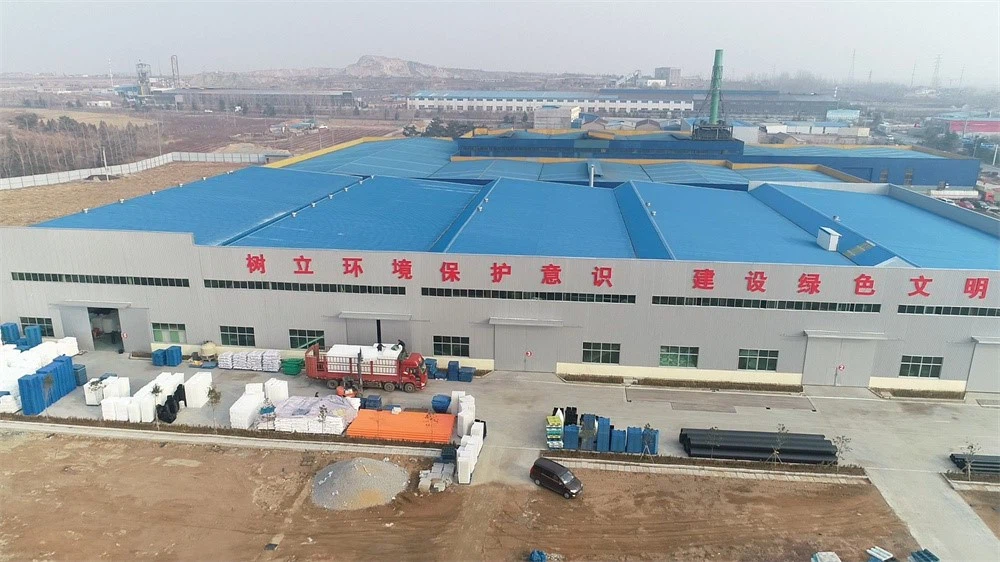
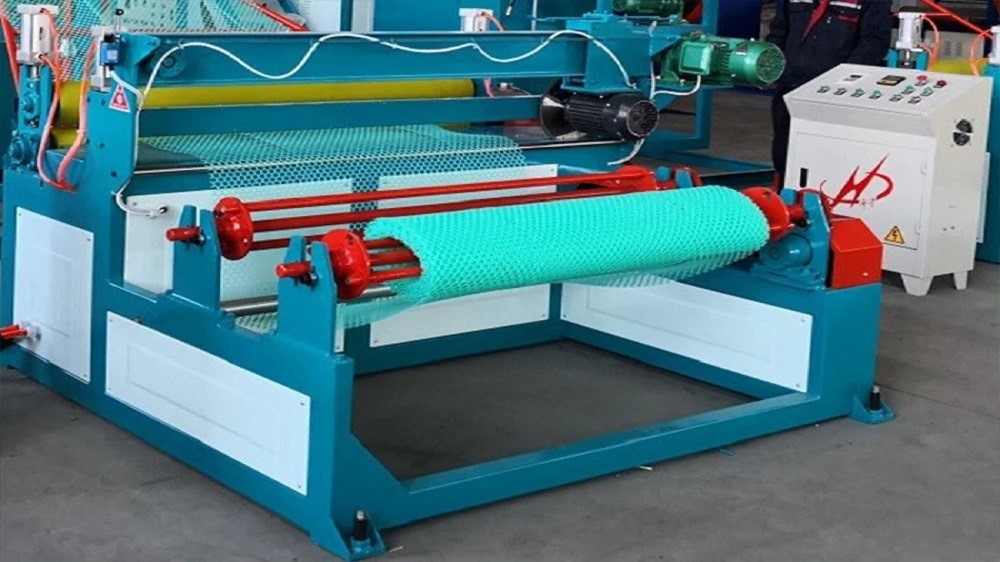
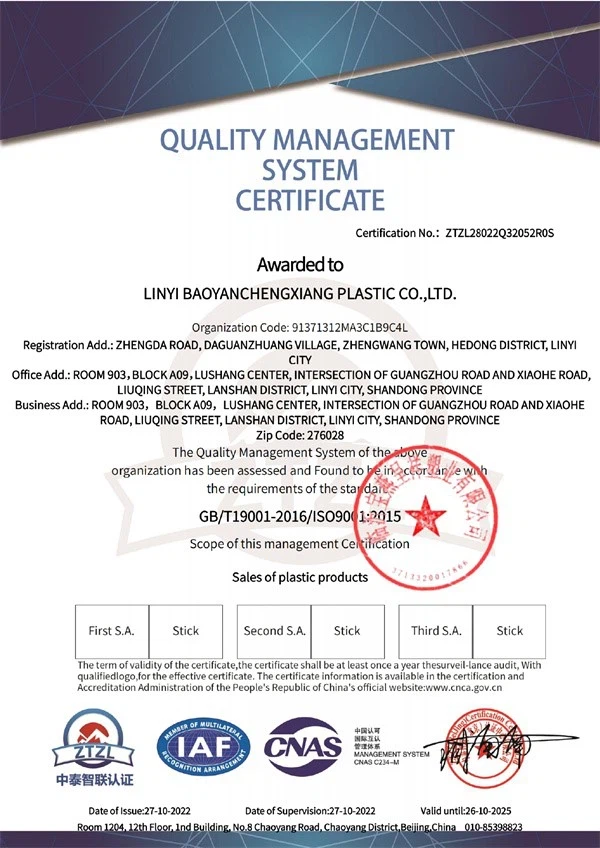
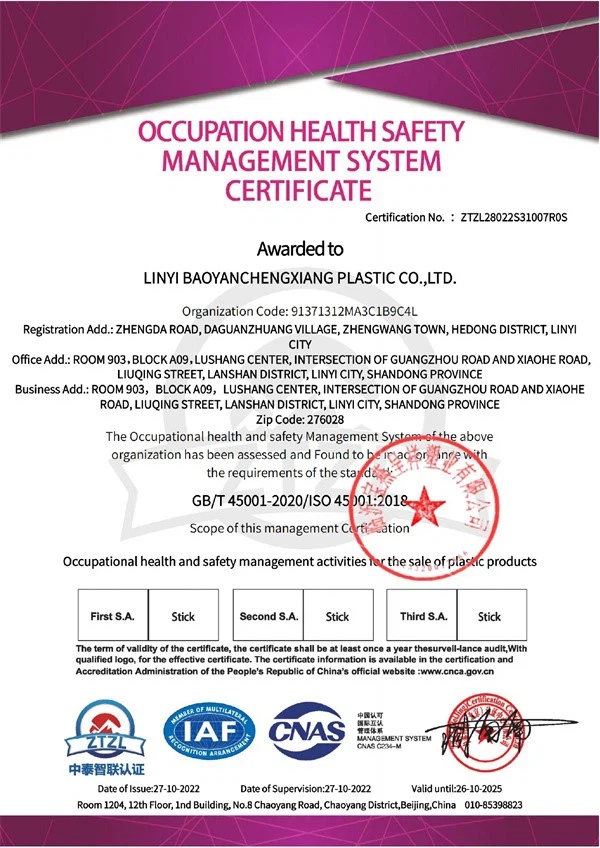
BYPC is a proudly Chinese manufacturer for various kinds of plastic poultry products, plastic crates and plastic pallets and some other specialized products that has been serving the market since 1996. We now have two standardized production plants and have obtained ISO certification, allowing us to provide injection molded plastics, blow molded plastics, rotational molded plastic products. Our standardized production process equipment ensure fast delivery of high-quality products.


Certifications

FAQ
Q: What is a meat crate?
Q: Why is it important to use a meat crate for transporting meat?
Q: What are the different types of meat crates?
Q: How do I choose the right size of meat crate?
Q: What are the benefits of using a refrigerated meat crate?
Q: Can meat crates be reused?
Q: How do I clean and disinfect my meat crate?
Q: How often should I replace my meat crate?
Q: Are there any regulations regarding the use of meat crates?
Q: Can I modify my meat crate to better suit my needs?
Q: Can meat crates be used for transporting other types of food?
Q: How do I properly load and unload my meat crate?
Q: Can I transport frozen meat in my meat crate?
Q: How do I ensure the safety and hygiene of my meat during transport?
Q: What should I do if I encounter a problem during transit with my meat?
Q: Can I use a meat crate for storing meat in my refrigerator?
Q: How do I properly store my meat crate when not in use?
Q: Can I paint or stain my meat crate?
Q: What should I do if my meat crate gets wet?
Q: How do I dispose of an old or damaged meat crate?
We're professional meat crate manufacturers and suppliers in China, specialized in providing high quality customized service. We warmly welcome you to wholesale cheap meat crate in stock here and get free sample from our factory. Good service and low price are available.