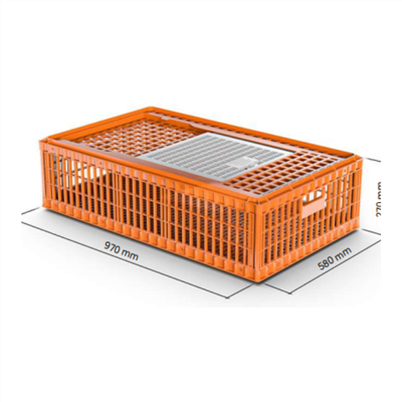
Egg Transportation System
Leave a message
In the modern food supply chain, the egg transportation system plays a vital role and brings many significant benefits to consumers.
First, the egg transportation system ensures that the freshness of eggs is perfectly preserved. The carefully designed transportation equipment and environmental control mechanism can accurately maintain the appropriate temperature and humidity conditions. This is like creating a comfortable "home" for eggs, delaying the aging process of eggs, so that when they reach the hands of consumers, they still maintain the fresh taste and rich nutrition when they are just laid. Whether in hot summer or cold winter, this system can effectively prevent the impact of temperature fluctuations on egg quality, making every egg look like it has just been taken out of the chicken house.
Secondly, the egg transportation system greatly reduces the breakage rate. By using professional cushioning materials and stable packaging design, eggs can be fully protected during transportation, avoiding damage caused by bumps, collisions and other factors. This not only reduces economic losses, but more importantly, it ensures that consumers can buy intact eggs and improves consumer satisfaction.
In addition, an efficient egg transportation system helps to achieve fast delivery. With advanced logistics planning and optimized transportation routes, eggs can be delivered from farms to sales terminals in the shortest time. This means that consumers can enjoy fresh eggs faster, while also reducing inventory backlogs, reducing operating costs, and bringing higher economic benefits to producers and sellers.
In addition, the egg transportation system also has strict hygiene and quality monitoring functions. During transportation, eggs are continuously tested and monitored to ensure that they meet strict food safety standards. This effectively prevents contaminated or spoiled eggs from entering the market, providing reliable protection for consumer health.
At the same time, advanced transportation systems can achieve large-scale, centralized transportation, improve transportation efficiency, and reduce unit transportation costs. For egg producers, this means being able to sell in a wider market range, expand business scope, and enhance market competitiveness.
Moreover, a complete egg transportation system helps to establish a traceability system. The information of each batch of eggs during transportation can be accurately recorded, including origin, transportation time, temperature, etc. Once a quality problem occurs, the source can be quickly traced and timely measures can be taken to solve it, which enhances the transparency and reliability of the entire supply chain.
In short, the egg transportation system is not only a bridge between production and consumption, but also a key link to ensure the quality, freshness and safety of eggs. It brings deliciousness and health to consumers, efficiency and profits to producers and sellers, and is an indispensable and important part of the modern egg industry, adding peace of mind and beauty to our lives.